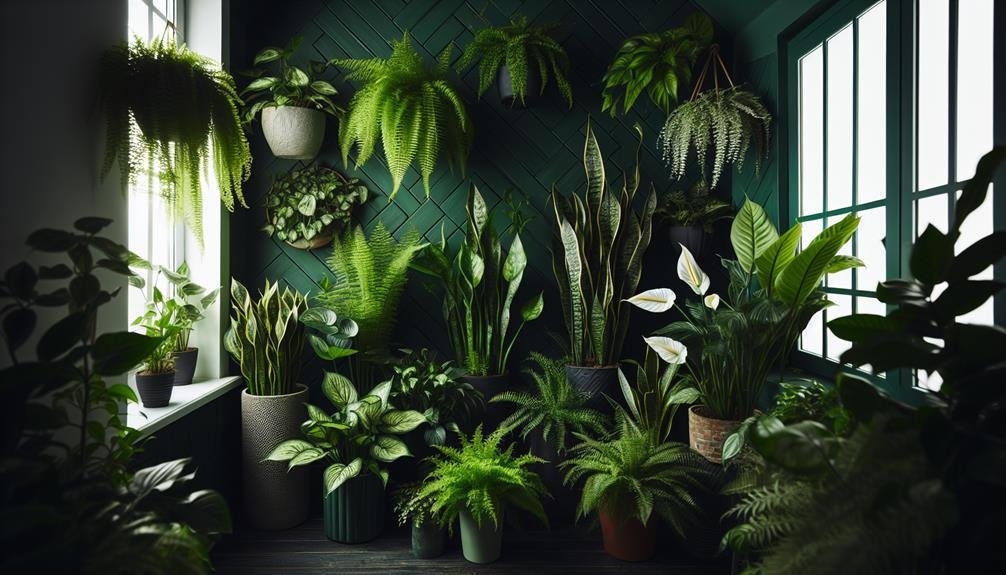
Did you know that caterpillars can wreak havoc on your indoor plants without you even realizing it until it's too late?
There are simple yet effective methods you can employ to safeguard your beloved greenery from these voracious pests.
By incorporating a few key strategies, you can ensure a healthy and thriving indoor garden.
So, let's explore some practical ways to keep caterpillars at bay and protect your plants from potential harm.
Identifying Common Caterpillar Species
To effectively identify common caterpillar species on your indoor plants, examine the physical characteristics such as body coloration, markings, and size. By closely observing these features, you can determine the type of caterpillar infesting your plants. Look for distinct patterns or colors on the caterpillar's body, as these can often be key identifiers. Some caterpillars might have stripes, spots, or even hairs covering their bodies. Additionally, note the size of the caterpillar, as different species vary in length and girth.
Another important aspect to consider when identifying caterpillars is their behavior. Some species are more active during the day, while others are nocturnal. By observing their movement patterns and feeding habits, you can gather valuable information to aid in identification. Remember to document your findings through photographs or detailed notes to accurately track changes in the caterpillar population over time.
Implementing Natural Predators
How can you effectively introduce natural predators to control caterpillar infestations on your indoor plants?
One efficient method is to release beneficial insects like ladybugs, lacewings, or parasitic wasps into your indoor garden. These insects are natural predators of caterpillars and can help keep their population in check. You can purchase these beneficial insects from local nurseries or online suppliers. Introducing them to your indoor plants at the first sign of a caterpillar infestation can help prevent the problem from escalating.
Another way to attract natural predators to your indoor garden is by planting nectar-rich flowers nearby. Flowers like marigolds, daisies, and lavender can attract beneficial insects that feed on caterpillars. By creating a hospitable environment for these predators, you can encourage them to stick around and protect your plants from future infestations. Additionally, providing shelter for these insects, such as small piles of rocks or branches, can give them a place to hide and lay their eggs, further enhancing their presence in your indoor garden.
Using Neem Oil as a Preventative Measure
Introducing natural predators like ladybugs and lacewings is effective, but another preventative measure you can use to combat caterpillar infestations on indoor plants is utilizing neem oil. Neem oil, derived from the seeds of the neem tree, acts as a natural insecticide and repellent. It disrupts the growth and development of caterpillars, ultimately preventing them from causing damage to your plants.

To apply neem oil, mix it with water according to the instructions on the product label. Then, spray the solution on both the top and bottom of the plant's leaves, ensuring thorough coverage. Repeat this process every 7-14 days or as recommended, especially after watering or rainfall, to maintain its effectiveness.
Neem oil not only deters caterpillars but also helps control other pests like aphids, mites, and whiteflies. Additionally, it has antifungal properties that can protect your plants from diseases. By incorporating neem oil into your plant care routine, you can create a hostile environment for caterpillars and safeguard your indoor plants against infestations.
Creating Physical Barriers
Consider placing physical barriers around your indoor plants as a preventive measure against caterpillar infestations. Physical barriers can help deter caterpillars from reaching your plants and laying eggs. One effective method is to use fine mesh or netting to cover your plants. Make sure the barriers are securely in place and cover the plants completely to prevent any entry points for caterpillars.
Another option is to use sticky barriers like double-sided tape around the base of plant pots or on the plant stems. Caterpillars trying to crawl over these sticky surfaces will get stuck, preventing them from reaching the plant. Remember to check and replace the sticky barriers regularly to ensure their effectiveness.
Additionally, consider placing copper tape around the rims of pots or containers. Caterpillars dislike crawling over copper due to a reaction between their bodies and the metal. This can act as a natural deterrent to keep caterpillars away from your indoor plants. By implementing these physical barriers, you can help protect your plants from caterpillar infestations effectively.
Regularly Inspecting and Pruning Plants
To effectively prevent caterpillar infestations on your indoor plants, regularly inspect and prune your plants. By conducting routine inspections, you can catch caterpillars in the early stages before they cause significant damage to your beloved greenery. Look for signs such as chewed leaves, droppings, or actual caterpillars on the plant. Pay special attention to the undersides of leaves and along the stems, as these are common hiding spots for caterpillars.
When you spot any caterpillars during your inspections, promptly remove them by hand. You can also use pruning shears to trim away any heavily infested areas of the plant. Make sure to dispose of the caterpillars and infested plant parts in a sealed bag to prevent them from returning to your plants.
Regularly pruning your indoor plants can also help prevent caterpillar infestations by removing any potential hiding spots and reducing overcrowding that can attract pests. Trim back any overgrown branches or foliage to improve air circulation and create a less hospitable environment for caterpillars to thrive. Remember, a little maintenance goes a long way in keeping your indoor plants healthy and caterpillar-free.
Frequently Asked Questions
Can Caterpillars Cause Any Harm to Humans or Pets if They Come Into Contact With Them?
Caterpillars can cause harm to humans or pets if they come into contact with them. Some caterpillars have stinging hairs or spines that can cause skin irritation, rashes, or allergic reactions when touched.
It's important to be cautious when handling caterpillars, especially if you have sensitive skin or allergies. Keep an eye out for any unusual reactions and seek medical attention if needed.
Are There Any Specific Indoor Plant Species That Are More Prone to Caterpillar Infestations?
Indoor plant species vary in susceptibility to caterpillar infestations. Some plants may be more prone to these pests due to factors like leaf texture or moisture levels.
It's essential to keep an eye on your plants and take preventive measures if you notice caterpillars. Regularly inspecting your indoor plants can help you catch any infestations early and protect your greenery from potential harm.
How Long Do Caterpillars Typically Stay on Indoor Plants Before Moving on to a New Location?
Caterpillars usually stay on indoor plants for about 2-3 weeks before moving on to find a new spot. During this time, they munch on leaves and can quickly cause damage if not addressed.
Keep an eye out for chewed leaves or caterpillar droppings to catch them early. Regularly inspecting your plants and removing any caterpillars you find can help prevent infestations and protect your indoor garden.
Can Caterpillars Survive Without a Host Plant for an Extended Period of Time?
Yes, caterpillars can survive without a host plant for a short period. They may feed on stored energy reserves or remain dormant until they find another suitable plant. However, prolonged lack of food can lead to their demise.
It's crucial to monitor infestations closely to prevent them from moving on to new locations and causing further damage. Keep a close eye on your indoor plants to ensure they remain healthy and pest-free.
Are There Any Signs or Symptoms of Caterpillar Infestations That Are Not Mentioned in the Article?
When it comes to spotting caterpillar infestations, keep an eye out for chewed leaves, droppings, or silk webbing.
However, remember that there could be signs not covered in the article.
So, it's a good idea to regularly inspect your plants for any unexpected changes.
Stay vigilant and you'll be able to catch any infestations early on before they become a bigger issue.
Conclusion
By identifying common caterpillar species, implementing natural predators, using neem oil, creating physical barriers, and regularly inspecting and pruning plants, you can effectively prevent caterpillar infestations on your indoor plants. Taking proactive measures will help keep your plants healthy and thriving.
Remember to stay vigilant and address any signs of infestation promptly to keep your indoor garden pest-free. With these strategies in place, you can enjoy a beautiful and pest-free indoor plant collection.