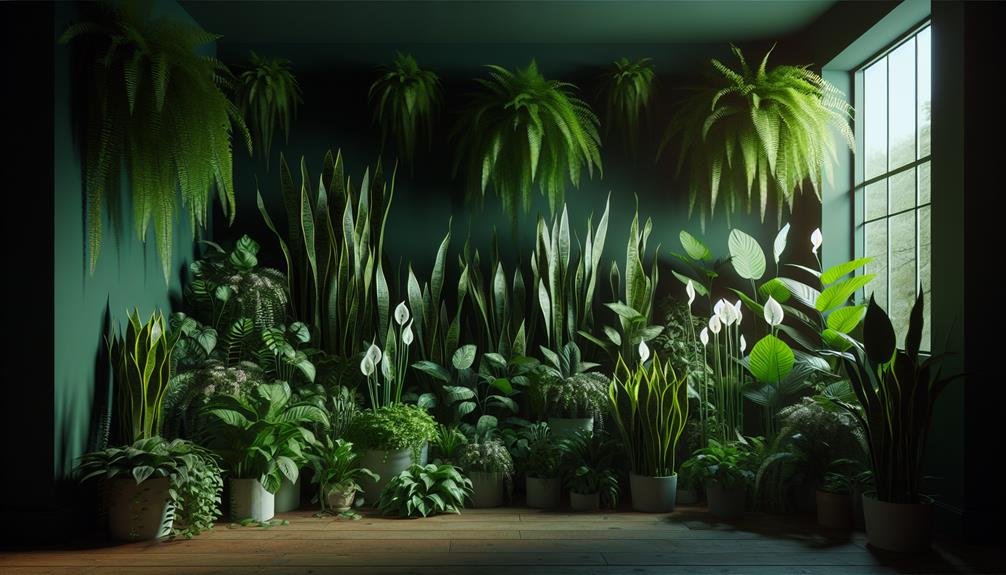
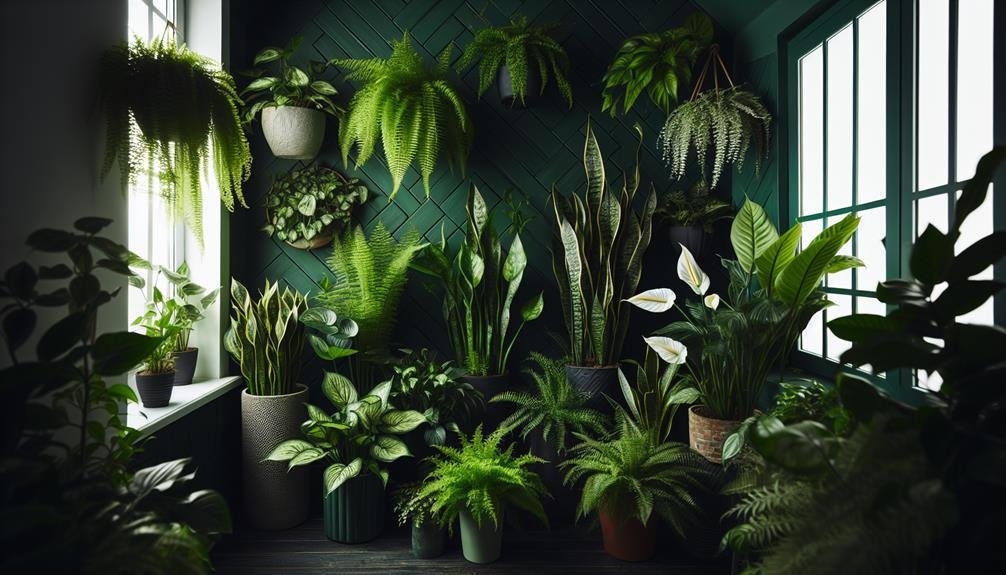
Step into a world where tranquility reigns, and the cacophony of daily life fades into a gentle hum. Imagine a sanctuary where the rustle of leaves drowns out the chaos of the outside world and brings peace to your soul.
Interested in transforming your space into an oasis of calm? Discover how noise-reducing plants can help you create a harmonious environment that soothes both mind and body.
Benefits of Noise-Reducing Plants
Noise-reducing plants offer a natural and effective way to create a peaceful and quiet environment in your home or workspace. Not only do these plants enhance the aesthetic appeal of your surroundings, but they also bring numerous benefits to your overall well-being. By introducing noise-reducing plants into your space, you can significantly lower levels of unwanted sound, such as traffic noise or chatter from neighboring offices. These plants act as natural sound barriers, absorbing and diffusing noise, thereby promoting a calmer atmosphere for you to relax or focus on tasks without distractions.
Additionally, noise-reducing plants contribute to improving air quality by absorbing harmful pollutants and releasing oxygen during photosynthesis. This dual function not only benefits your health but also enhances the overall ambiance of your environment. Furthermore, tending to these plants can be a therapeutic and rewarding experience, allowing you to connect with nature and reduce stress levels. By incorporating noise-reducing plants into your surroundings, you can create a tranquil sanctuary that promotes both physical and mental well-being.
Top 10 Plants for Quiet Spaces
Enhance the tranquility of your space with these top 10 plants known for their noise-reducing properties.
- Ficus: This plant is effective in reducing noise levels and is easy to care for.
- Peace Lily: Known for its beautiful white flowers, it also helps in absorbing sound waves.
- Snake Plant: A low-maintenance plant that not only reduces noise but also purifies the air.
- Bamboo Palm: Adds a tropical touch while reducing unwanted noise in your surroundings.
- Rubber Plant: With its large leaves, it absorbs sound and adds a touch of green to your space.
- Spider Plant: An excellent choice for noise reduction and a pop of color.
- Aloe Vera: Apart from its healing properties, it also helps in creating a peaceful environment by reducing noise.
- Boston Fern: Known for its lush foliage, it's a great addition to quiet spaces.
- Areca Palm: A stylish plant that effectively reduces high-frequency noise.
- Dracaena: This plant not only reduces noise levels but also adds a modern touch to your space.
Introduce these plants to your space to enjoy a quieter and more peaceful environment.
Tips for Caring for Sound-Absorbing Plants
To ensure your sound-absorbing plants thrive and continue to reduce noise effectively, it's essential to provide them with proper care and attention.
Start by placing your plants in locations that suit their light and water requirements. Overwatering can be detrimental, so make sure the soil has good drainage.
Regularly dust the leaves to keep them clean and free from dust particles that can hinder their ability to absorb sound. Monitor the humidity levels around your plants, as they can impact their health and sound-absorbing capabilities. Consider using a pebble tray or a humidifier to maintain optimal moisture levels.
Additionally, inspect your plants regularly for any signs of pests or disease, as these can weaken the plants and reduce their noise-reducing properties. Lastly, remember to rotate your plants occasionally to ensure all sides receive adequate light exposure, promoting even growth and optimal noise reduction benefits.

Design Ideas for Incorporating Plants
When incorporating plants into your space for noise reduction, consider implementing creative design ideas to enhance both the aesthetics and functionality of your environment.
One way to incorporate plants is by creating a green wall or vertical garden, which not only adds a touch of nature but also helps in absorbing sound. Hanging planters or macramé plant hangers can be used to bring greenery into smaller spaces without taking up floor space. Additionally, clustering plants in groups of varying heights and sizes can create visual interest while also aiding in noise reduction.
Another design idea is to place plants strategically near the sources of noise, such as near windows or doors, to act as a barrier and absorb sound waves before they enter the room. Utilizing multi-functional furniture pieces like plant stands or shelves can help integrate plants seamlessly into your space while also serving a practical purpose. Adding plants with broad leaves or thick foliage can further enhance their sound-absorbing properties, making them not only visually appealing but also functional in reducing noise levels in your environment.
Enhancing Wellness Through Plant Therapy
Consider incorporating plant therapy into your daily routine to boost wellness and create a calming environment. Plants have a profound impact on our well-being, both physically and mentally. The presence of greenery in your space can reduce stress, lower blood pressure, and improve overall mood.
Incorporating plant therapy into your life is a simple yet effective way to enhance your wellness. The act of caring for plants can be therapeutic in itself, promoting mindfulness and reducing anxiety. Surrounding yourself with nature indoors can also help purify the air, promoting better respiratory health and increasing oxygen levels.
Different plants offer various benefits, so choose ones that align with your wellness goals. Lavender, for example, is known for its calming properties and can aid in relaxation and better sleep. Aloe vera not only purifies the air but also has healing properties for skin irritations.
Frequently Asked Questions
Can Noise-Reducing Plants Also Help Improve Air Quality in Indoor Spaces?
Noise-reducing plants can indeed improve air quality indoors. They've the ability to absorb harmful pollutants and release oxygen, creating a healthier environment for you.
Are There Any Specific Plants That Are Best Suited for Reducing Noise in High-Traffic Areas?
In high-traffic areas, specific plants excel at reducing noise levels effectively. These plants, like the Ficus, are ideal choices due to their dense foliage and ability to absorb sound waves.
Additionally, the Rubber Plant and Peace Lily are also great options for reducing noise pollution. By strategically placing these plants in your space, you can create a quieter environment and enjoy a more peaceful atmosphere amidst the hustle and bustle.
How Do Noise-Reducing Plants Compare to Traditional Soundproofing Methods in Terms of Effectiveness?
When comparing noise-reducing plants to traditional soundproofing methods in terms of effectiveness, plants offer a more natural approach.
While soundproofing materials can block out noise, plants can help absorb and reduce it while also improving air quality.
Plants may not provide the same level of sound insulation as heavy soundproofing materials, but they offer a greener and aesthetically pleasing alternative for creating a more peaceful environment.
Can Noise-Reducing Plants Help Reduce Stress and Anxiety in Addition to Minimizing Noise Pollution?
Noise-reducing plants have the ability to reduce stress and anxiety by creating a calmer environment. The presence of greenery and nature indoors positively impacts mental well-being. Plants improve air quality, provide a sense of tranquility, and help you feel more connected to nature. All of these benefits contribute to lowering stress levels and promoting relaxation in your space.
Are There Any Potential Drawbacks or Considerations to Keep in Mind When Using Noise-Reducing Plants in Indoor Spaces?
When using noise-reducing plants indoors, it's essential to consider a few things. Some plants can be toxic to pets, so make sure you choose pet-friendly options.
Also, be mindful of the amount of light and water each plant needs to thrive. Overwatering can lead to mold growth, while insufficient light might hinder plant growth.
Lastly, keep an eye on any allergic reactions you or others may have to certain plants.
Conclusion
So, next time you want to create a peaceful and serene environment in your space, consider adding some noise-reducing plants. Not only do they have the ability to absorb sound and reduce noise levels, but they also bring a touch of nature indoors.
With the right care and placement, these plants can help you create a calm oasis where you can relax and unwind. So go ahead, bring some greenery into your space and enjoy the benefits of a quieter environment.