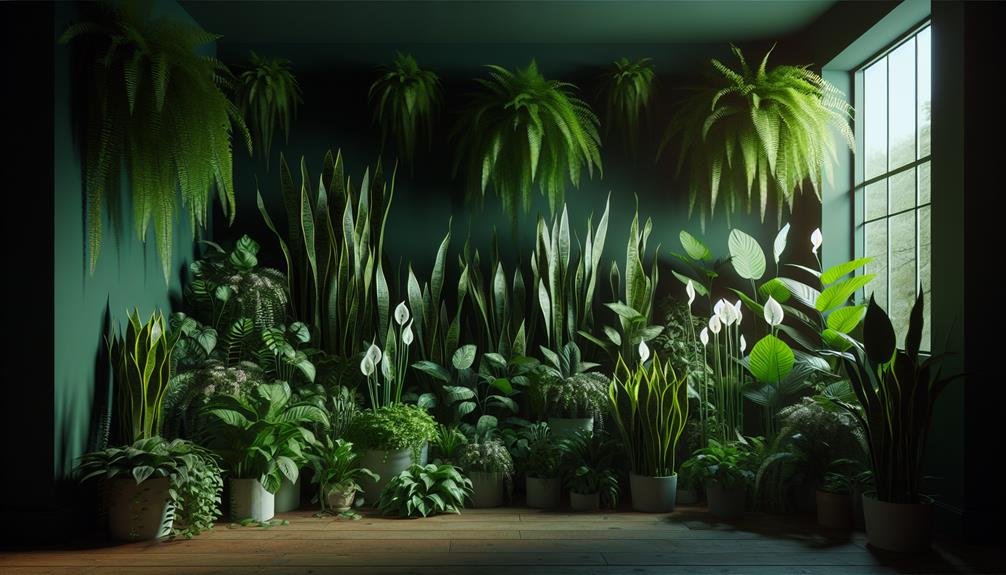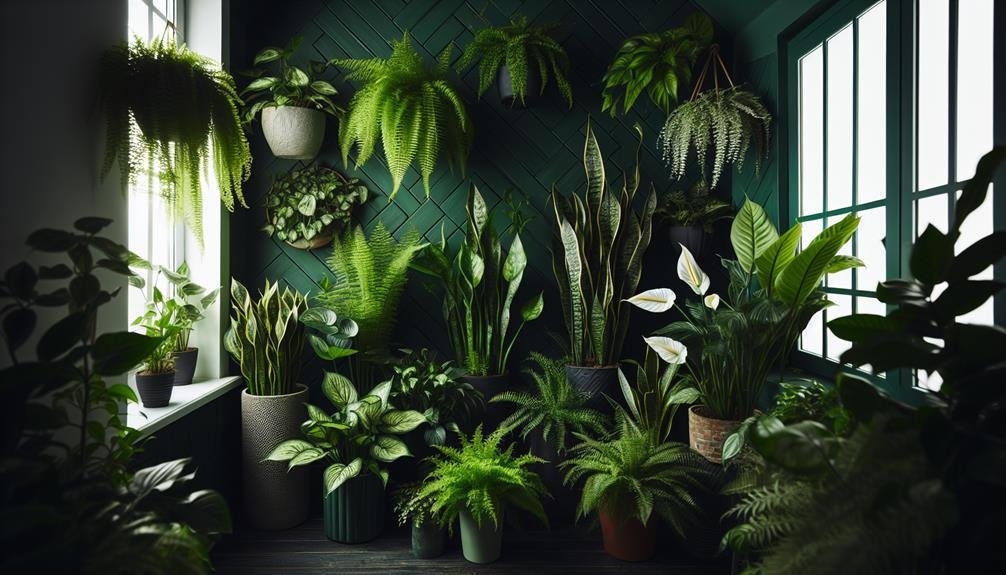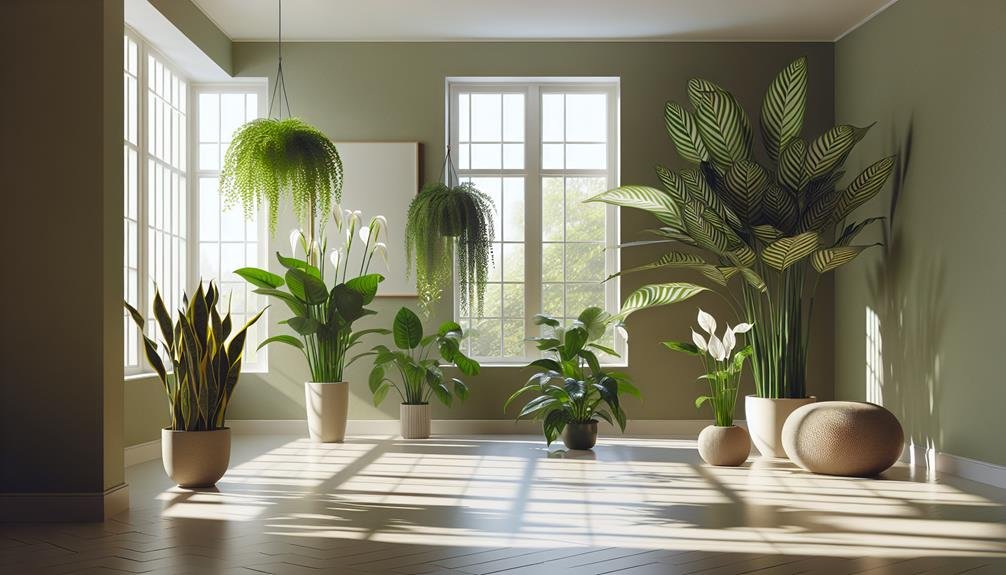
Did you know that certain houseplants not only add a touch of green to your living space but also act as natural air purifiers? The ability of plants to remove toxins from the air is a fascinating aspect that many people overlook.
By choosing the right plants and implementing some key strategies, you can significantly improve the air quality in your home. But how exactly do houseplants purify the air, and which plants are the most effective? Let's explore these questions and more as we uncover reliable ways to enhance your indoor air with the power of plants.
Benefits of Indoor Plants for Air Quality
Indoor plants actively purify the air, making your living space healthier and more pleasant to be in. These green companions work tirelessly to remove toxins like formaldehyde, benzene, and trichloroethylene from the air, reducing the risk of respiratory issues and allergies. By absorbing carbon dioxide and releasing oxygen through photosynthesis, plants help to improve the air quality in your home naturally.
Not only do indoor plants purify the air, but they also add a touch of beauty and tranquility to your surroundings. Their lush foliage and vibrant colors can uplift your mood and create a more relaxing atmosphere. Studies have shown that being around plants can lower stress levels and increase productivity.
In addition to their air-purifying qualities, indoor plants can also help to regulate humidity levels in your home. They release water vapor during transpiration, which can be beneficial, especially during the dry winter months or in air-conditioned spaces. Overall, incorporating indoor plants into your living space can have numerous benefits for both your health and well-being.
Top Air-Purifying Houseplants to Consider
Consider incorporating these top air-purifying houseplants into your living space for a breath of fresh, clean air.
The Spider Plant is a popular choice, known for its ability to remove toxins like formaldehyde and xylene.
Another excellent option is the Peace Lily, which not only purifies the air but also adds a touch of elegance with its white flowers.
If you're looking for a low-maintenance plant, the Snake Plant is perfect as it thrives in low light and helps filter out formaldehyde, trichloroethylene, and benzene.
The Pothos plant is great for beginners and effectively removes carbon monoxide and formaldehyde.

Lastly, the Rubber Plant is a stylish choice that effectively cleanses the air of common pollutants.
These top air-purifying houseplants not only enhance the aesthetics of your space but also promote a healthier environment for you and your family.
Care Tips for Healthy Indoor Plants
To ensure your indoor plants thrive, proper watering and adequate sunlight are essential. Overwatering can lead to root rot, while underwatering can cause wilting. Water your plants when the top inch of soil feels dry, and make sure pots have drainage holes to prevent waterlogging. Place your plants near windows or under grow lights to ensure they receive enough sunlight for photosynthesis.
In addition to watering and sunlight, regular dusting of plant leaves helps them absorb light more efficiently. Use a damp cloth or gently spray the leaves with water to remove dust. Keep an eye out for pests like spider mites or aphids, and address infestations promptly with insecticidal soap or neem oil.
Rotate your plants occasionally to ensure even growth on all sides. Prune any yellowing or dead leaves to promote new growth. Fertilize your plants sparingly during their growing season to provide essential nutrients. By following these care tips, your indoor plants won't only purify the air but also enhance your living space.
Placement Strategies for Maximum Impact
For optimal air purification and aesthetic impact, strategically positioning your houseplants can make a significant difference in your indoor environment. Place plants near areas where you spend the most time, such as your desk or living room. This way, you'll benefit from their air-purifying qualities throughout the day.
Additionally, consider grouping plants together to create mini indoor gardens. Clustering plants can increase humidity levels around them, which is beneficial for both the plants and your respiratory system.
Ensure that your plants receive adequate sunlight by placing them near windows or areas with good natural light. However, be cautious of direct sunlight, as it can cause sunburn on some plant leaves. Rotate your plants occasionally to promote even growth on all sides.
In rooms with poor ventilation, like bathrooms, kitchens, or basements, plants can help improve air quality significantly. By strategically placing your houseplants, you can maximize their air-purifying effects and enhance the overall ambiance of your living space.
Common Mistakes to Avoid With Houseplants
Position your houseplants strategically to avoid common mistakes that can hinder their growth and air-purifying abilities. One of the most common errors is overwatering. While you may have the best intentions, excessive watering can lead to root rot and ultimately harm your plants. Make sure to let the soil dry out between waterings to maintain a healthy balance.
Another mistake to watch out for is placing your houseplants in areas with insufficient light. All plants need light to photosynthesize and grow, so be sure to research the light requirements of each of your plants and position them accordingly. Additionally, neglecting to dust your plant's leaves can prevent them from effectively absorbing light and carrying out their air-purifying functions. Regularly wipe down the leaves with a damp cloth to keep them clean and dust-free.
Lastly, using the wrong type of soil can impede your plant's growth. Different plants have different soil preferences, so ensure you use the appropriate soil mix for each plant to provide them with the best growing conditions possible. By avoiding these common mistakes, you can help your houseplants thrive and effectively purify the air in your home.
Frequently Asked Questions
Can All Houseplants Effectively Purify Indoor Air, or Are There Certain Types That Work Better Than Others?
Sure!
Not all houseplants are equally effective at purifying indoor air. Some types work better than others due to their specific abilities to filter out pollutants.
Plants like spider plants, peace lilies, and snake plants are known for their air-purifying qualities. Choosing the right houseplants can make a significant difference in improving the air quality in your home.
Selecting plants with proven air-purifying capabilities is key to creating a healthier indoor environment.
Are There Any Houseplants That Are Known to Be Harmful to Pets or Children if Ingested?
Some houseplants can be harmful to pets or children if ingested. It's essential to research and identify any potential dangers before introducing new plants to your home.
Common toxic plants include lilies, philodendrons, and poinsettias. Always keep these out of reach and consider pet-friendly or child-safe alternatives like spider plants, Boston ferns, or palm varieties.
Prioritize safety by being aware of the potential risks associated with certain houseplants.
How Often Should Houseplants Be Replaced or Refreshed to Maintain Their Air-Purifying Benefits?
To maintain their air-purifying benefits, it's best to replace or refresh houseplants every 1-2 years. Over time, plants may become less effective at purifying the air due to factors like aging or root-bound conditions.
Are There Specific Ways to Enhance the Air-Purifying Effects of Houseplants, Such as Using Certain Types of Pots or Soil?
To boost your houseplants' air-purifying powers, consider using pots with good drainage and opting for porous soil mixtures. These choices can help prevent overwatering and allow roots to breathe, enhancing plant health and air purification.
Additionally, rotating your plants occasionally can ensure even sunlight exposure, promoting optimal growth and purification. By making these simple adjustments, you can maximize the air-cleansing benefits of your indoor greenery.
Can Houseplants Help Reduce Specific Indoor Air Pollutants, Such as VOCs or Allergens, More Effectively Than Others?
Houseplants can indeed reduce specific indoor air pollutants more effectively than others. Some plants excel at removing volatile organic compounds (VOCs) like formaldehyde and benzene, while others are better at tackling allergens such as dust and mold spores.
Choosing the right plants for your space can greatly enhance their air-purifying effects, creating a healthier indoor environment for you. Be mindful of your plant selection based on your specific air quality needs.
Conclusion
In conclusion, adding air-purifying houseplants to your indoor space can greatly improve air quality and create a healthier environment for you and your family.
By choosing the right plants, providing proper care, and strategically placing them throughout your home, you can enjoy the many benefits they offer.
Avoid common mistakes like overwatering or placing plants in areas with little light to ensure your indoor plants thrive and continue to purify the air effectively.