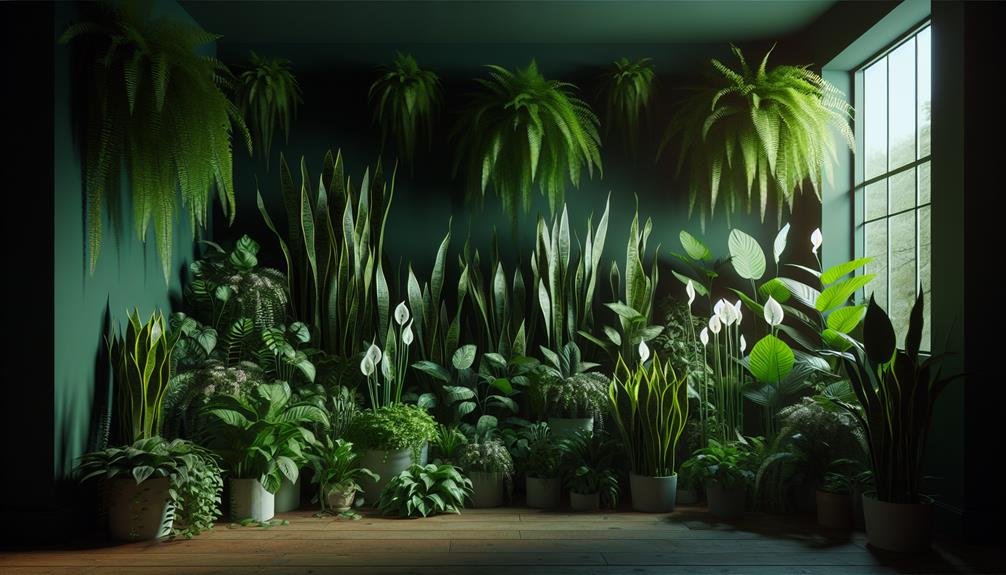
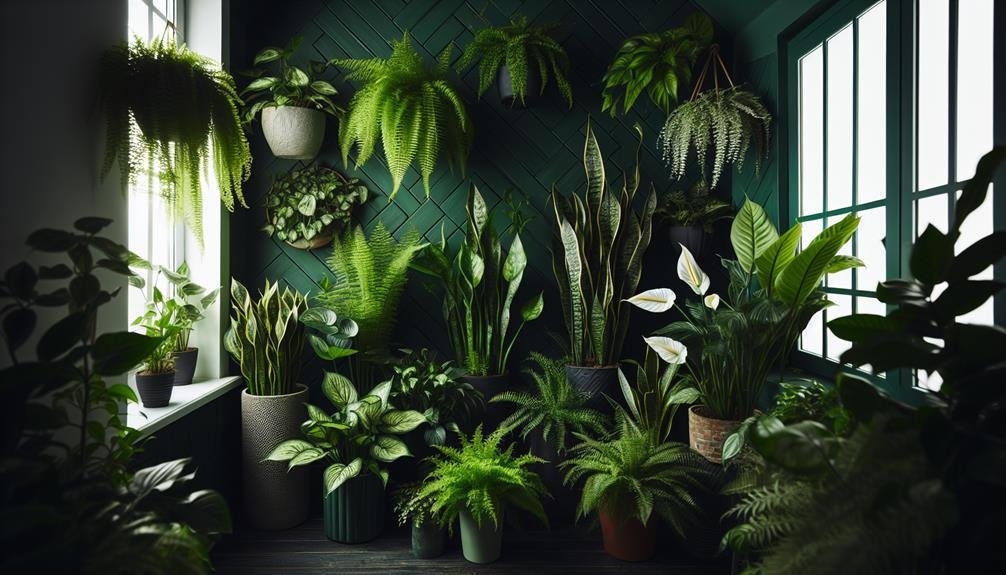
When it comes to creating a serene and lush indoor oasis, one cannot overlook the importance of incorporating shade-loving plants into the mix. These green companions not only add a touch of tranquility to your space but also thrive in areas where sunlight may be scarce.
As you venture into the realm of shade-loving indoor plants, you'll unlock a world of botanical wonders that can transform your home into a verdant sanctuary. But how exactly do you ensure these plants flourish in low-light conditions?
Stay tuned to discover the secrets to cultivating a thriving indoor garden that embraces the shadows.
Understanding Shade-Loving Plants
To thrive indoors, shade-loving plants require minimal direct sunlight but still benefit from bright indirect light. These plants have adapted to thrive in low-light conditions, making them perfect for areas of your home that receive limited natural light.
When caring for shade-loving plants, it's crucial to understand their specific light requirements. While they don't need direct sun exposure, they do need some brightness to photosynthesize effectively. Placing them near a window with sheer curtains or in a room with bright, filtered light can help them thrive.
Understanding the needs of shade-loving plants is essential for their overall health and growth. By providing the right amount of indirect light, you can ensure that they receive the energy they need to flourish. Remember to monitor the light levels in your home and adjust the placement of your plants accordingly.
With proper care and attention to their lighting needs, your shade-loving plants will bring a touch of nature into your indoor space.
Selecting the Right Plant Species
When selecting shade-loving indoor plants, prioritize species that are well-suited to low-light environments. Look for plants like peace lilies, snake plants, and pothos, as they thrive in shaded areas.
Peace lilies not only add beauty with their white flowers but also help purify the air. Snake plants are hardy and can survive with minimal care, making them perfect for beginners. Pothos, with their cascading vines, are versatile and can be grown in hanging baskets or as trailing plants.
Consider adding ZZ plants to your collection; they're known for their glossy leaves and ability to tolerate neglect. For a pop of color, choose African violets, which bloom in various shades. If you prefer larger plants, go for the rubber plant or the cast-iron plant, both excellent choices for low-light conditions.

Remember to research the specific care needs of each plant to ensure they thrive in your home's shaded areas.
Providing Adequate Lighting Conditions
Considering the specific lighting needs of shade-loving indoor plants is key to maintaining their health and vibrancy. While these plants thrive in low light conditions, they still require some level of light to carry out photosynthesis and grow effectively.
When providing lighting for shade-loving plants, it's essential to place them near a window that receives filtered or indirect sunlight. Direct sunlight can be too harsh for these plants and may lead to leaf scorching. If natural light is limited in your space, you can supplement it with artificial light sources like fluorescent or LED grow lights. These can help mimic natural light conditions and ensure your shade-loving plants receive adequate illumination.
Remember to rotate your plants occasionally to ensure all sides receive equal light exposure. By carefully monitoring and adjusting the lighting conditions for your shade-loving indoor plants, you can create an environment where they can thrive and beautify your living space.
Implementing Proper Care Techniques
For shade-loving indoor plants, mastering proper care techniques is essential to ensure their health and vitality. To begin, watering is crucial. These plants typically prefer slightly moist soil, but overwatering can lead to root rot. Check the soil moisture regularly by sticking your finger about an inch into the soil; water only when it feels dry. When watering, ensure that excess water can drain away to prevent waterlogging.
In addition to watering, maintaining appropriate humidity levels is key. Most shade-loving plants thrive in higher humidity environments. You can increase humidity by misting the plants regularly, using a humidifier, or placing a tray of water near the plants. This helps prevent issues like brown leaf tips and dryness.
Regularly inspect your plants for pests, such as spider mites or aphids. If you notice any pests, gently wipe the leaves with a damp cloth or use insecticidal soap to keep them at bay. Lastly, consider fertilizing your plants occasionally with a balanced fertilizer to promote healthy growth. With these care techniques in place, your shade-loving indoor plants will flourish.
Troubleshooting Common Issues
If your shade-loving indoor plants show signs of distress, start by closely examining their leaves for any discoloration or wilting. Discoloration could indicate issues such as nutrient deficiencies, overwatering, or pests. Yellowing leaves might suggest too much water, while brown tips could point to underwatering. Adjust your watering schedule accordingly, allowing the soil to dry out slightly between waterings. Ensure proper drainage to prevent waterlogged roots.
Wilting leaves could be a sign of both overwatering and underwatering. Check the soil moisture level by sticking your finger into the soil; if it feels dry an inch below the surface, it's time to water. Conversely, if the soil feels soggy, hold off on watering to prevent root rot. Consider repotting your plant with fresh, well-draining soil if the current soil is compacted or retaining too much moisture.
If you notice pests like spider mites or aphids, gently wipe the leaves with a damp cloth or treat the plant with insecticidal soap following the manufacturer's instructions. Prune away any severely damaged foliage to encourage new growth. Regularly inspecting your shade-loving plants can help you catch and address issues early on.
Frequently Asked Questions
Can Shade-Loving Plants Be Placed Near a Window With Direct Sunlight?
Yes, placing shade-loving plants near a window with direct sunlight can harm them. These plants thrive in low-light conditions and direct sunlight can scorch their leaves.
It's best to keep them in areas with filtered or indirect light to ensure they stay healthy and vibrant. Consider moving them to a spot where they can enjoy gentle, filtered sunlight or artificial light if natural light is insufficient.
Are There Any Shade-Loving Plants That Are Safe for Pets to Be Around?
Yes, there are shade-loving plants that are safe for pets to be around. Some options include Boston Fern, Parlor Palm, and Spider Plant. These plants not only thrive in low-light conditions but are also non-toxic to pets.
Ensure your furry friends stay safe by incorporating these pet-friendly indoor plants into your home decor. It's a win-win situation for both your greenery and your beloved pets.
How Often Should Shade-Loving Plants Be Repotted?
When caring for shade-loving plants, you should aim to repot them every 1-2 years. This helps prevent root-bound conditions and allows for fresh nutrients in new soil.
Signs that a plant needs repotting include roots growing out of the drainage holes or a noticeable decrease in growth.
Choose a slightly larger pot to accommodate growth, and ensure good drainage to keep your plants healthy and thriving.
Can Shade-Loving Plants Survive in Air-Conditioned or Heated Rooms?
Yes, shade-loving plants can survive in air-conditioned or heated rooms. These plants typically thrive in environments with consistent temperatures and moderate humidity levels.
As long as you maintain a comfortable setting for yourself, your shade-loving indoor plants should do just fine. Just keep an eye on their specific care requirements, like watering and light exposure, to ensure they remain healthy and happy in your home.
What Are Some Creative Ways to Display Shade-Loving Plants in a Small Living Space?
Looking to showcase your shade-loving plants in a small living space? Get creative! Utilize wall-mounted shelves or hanging planters to maximize space.
Consider grouping plants together for a lush display or placing them in decorative plant stands. Don't forget about using cute pots or baskets to add style.
With some imagination and a few clever tricks, you can turn your limited space into a green oasis that showcases your beautiful shade-loving plants.
Conclusion
Overall, shade-loving indoor plants can thrive in the right conditions with proper care. By understanding their needs, selecting the right species, providing adequate lighting, and implementing proper care techniques, you can enjoy a lush and green indoor space.
Remember to troubleshoot any common issues that may arise to ensure your plants stay healthy and happy. With a little effort and attention, your shade-loving plants will bring beauty and tranquility to your home.