
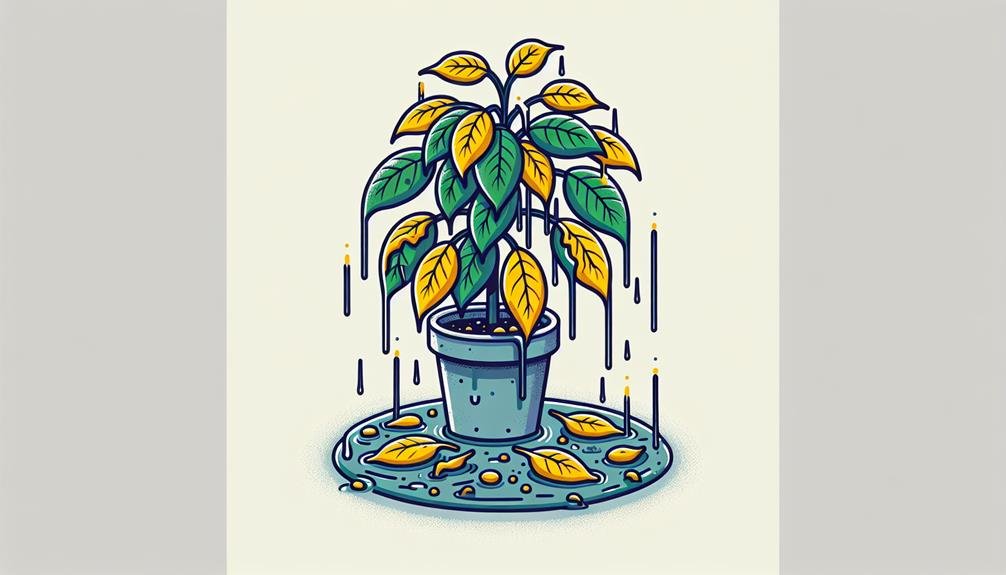
If your indoor plants are looking a bit under the weather, you might be unknowingly drowning them with kindness. Overwatering is a common pitfall that can lead to a host of issues for your green companions.
From yellowing leaves to root rot, the signs of overhydration can be subtle but damaging. However, fear not, as there are ways to spot and remedy this problem.
Stay tuned to discover expert advice on how to ensure your indoor plants thrive with the right amount of water.
Common Signs of Overwatering
If you notice wilting leaves and yellowing foliage on your indoor plants, you may be overwatering them. Overwatering is a common issue that many plant owners face, often unintentionally. Besides wilting and yellowing, other signs of overwatering include mushy or rotten roots, mold growth on the soil surface, and a musty odor emanating from the plant. These symptoms can be detrimental to your plant's health if not addressed promptly. When roots sit in waterlogged soil, they can't access the oxygen they need, leading to root rot and eventually plant death.
To avoid overwatering, always check the soil moisture level before watering your plants. Insert your finger into the soil up to the first knuckle – if it feels damp, hold off on watering. Additionally, ensure your pots have drainage holes to allow excess water to escape. Remember, it's easier to correct under-watering than overwatering. By being attentive to your plant's needs, you can help them thrive and grow beautifully.
Impact on Plant Health
Overwatering indoor plants can have a detrimental impact on their overall health and growth. When plants receive more water than they need, their roots can become waterlogged, leading to root rot. This condition deprives the roots of oxygen, hindering their ability to take up nutrients and water effectively. As a result, the plant may experience stunted growth, yellowing or browning of leaves, and wilting.
Additionally, overwatering creates a hospitable environment for fungal and bacterial diseases to thrive. Excess moisture on leaves and in the soil provides a breeding ground for pathogens that can infect the plant, further weakening its health. These diseases can present themselves through symptoms like mold growth, black spots on leaves, and a general decline in the plant's condition.
Furthermore, overwatering disrupts the balance of beneficial microorganisms in the soil, affecting nutrient availability and overall soil health. This imbalance can impact the plant's ability to absorb essential minerals, leading to nutrient deficiencies and poor growth. To prevent these issues, it's crucial to water indoor plants appropriately and allow the soil to dry out between waterings.
How to Salvage Overwatered Plants
To rescue overwatered plants, assess the soil moisture levels and take immediate action to restore balance and promote recovery. The first step is to carefully remove the plant from its pot and check the roots. Trim any mushy or rotting roots with clean shears to prevent further damage. Allow the plant to dry out by placing it in a well-ventilated area away from direct sunlight.
Next, repot the plant in fresh, well-draining soil to prevent waterlogged conditions. Choose a pot with drainage holes to ensure excess water can escape easily. Water the plant sparingly, only when the top few inches of soil are dry to the touch.

Monitor the plant closely for signs of improvement, such as new growth or firmer leaves. Be patient, as recovery may take some time. Avoid fertilizing the plant until it has fully recovered to reduce stress on its roots.
Preventing Overwatering in the Future
To prevent overwatering in the future, adjust your watering schedule based on the specific needs of each individual indoor plant. Different plants have varying requirements when it comes to water, so it's essential to understand the specific needs of each type of plant you have. Research the watering needs of your plants or consult with a local nursery for guidance.
Another way to prevent overwatering is to ensure proper drainage for your plants. Use pots with drainage holes to allow excess water to escape, preventing water from pooling at the bottom and leading to root rot. Additionally, consider using a well-draining potting mix to help regulate moisture levels more effectively.
Monitoring the moisture levels of your plants' soil is crucial in preventing overwatering. Invest in a moisture meter to accurately determine when your plants actually need water. This tool can help you avoid watering on a set schedule and instead water when the plant truly requires it. By adjusting your watering habits, providing proper drainage, and monitoring soil moisture, you can prevent overwatering and help your indoor plants thrive.
Expert Tips for Proper Plant Care
For successful plant care, ensure you provide adequate light and maintain proper humidity levels. Light is essential for photosynthesis, so place your plants where they can receive the right amount of sunlight or artificial light. Different plants have varying light requirements, so research your specific plant to meet its needs. Inadequate light can lead to stunted growth and yellowing leaves.
Proper humidity levels are crucial for plant health. Some plants thrive in high humidity, while others prefer drier conditions. To maintain the right humidity, consider using a humidifier or pebble tray to increase moisture around your plants. On the other hand, if the air is too humid, ensure proper air circulation to prevent mold and mildew.
Regularly inspect your plants for signs of pests or diseases. Early detection can prevent issues from spreading and damaging your plants. Additionally, follow a consistent watering schedule based on your plant's needs to avoid over or underwatering. By providing the right light, humidity, and care, you can help your indoor plants thrive.
Frequently Asked Questions
Can Overwatering Indoor Plants Attract Pests or Diseases?
Yes, overwatering indoor plants can attract pests or diseases. When plants are overwatered, the excess moisture creates a damp environment that's ideal for pests like fungus gnats and diseases such as root rot to thrive.
It's important to strike a balance in watering to keep your plants healthy and pest-free. Be mindful of how much water your plants need to prevent attracting unwanted visitors.
How Often Should I Check the Soil Moisture Levels of My Indoor Plants?
You should check the soil moisture levels of your indoor plants regularly. Stick your finger about an inch into the soil. If it feels dry, it's time to water. If it's still moist, hold off on watering to prevent overwatering.
Consistent monitoring helps maintain the right balance for healthy plants. Remember, too much water can lead to problems like root rot, so keep an eye on the moisture levels.
Are There Any Specific Types of Indoor Plants That Are More Susceptible to Overwatering?
Certain indoor plants, like ferns and peace lilies, are more prone to overwatering due to their moisture-sensitive nature. They require a delicate balance of hydration. It's crucial to monitor these plants closely to avoid excessive watering.
Be attentive to the signs of overwatering, such as yellowing leaves or wilting. Adjust your watering schedule accordingly to keep these plants thriving. Remember, different plants have different needs when it comes to moisture levels.
Can Overwatering Indoor Plants Lead to Root Rot, and How Can I Prevent It?
Overwatering indoor plants can indeed lead to root rot. To prevent this, ensure your plants are in well-draining pots and that excess water can easily escape.
Water your plants only when the top inch of soil feels dry to the touch, and make sure not to let them sit in standing water.
Are There Any Alternative Methods for Watering Indoor Plants to Avoid Overwatering?
To avoid overwatering indoor plants, consider alternative watering methods. Try watering when the top inch of soil is dry, using pots with drainage holes, or using a moisture meter. These methods can help prevent root rot and keep your plants healthy.
Conclusion
Now that you know the signs of overwatering indoor plants and how to prevent it, you can keep your plants healthy and thriving.
Remember, less is more when it comes to watering. Pay attention to your plant's needs and adjust accordingly.
With proper care and attention, your indoor plants will flourish and bring beauty to your home. Keep up the good work!



