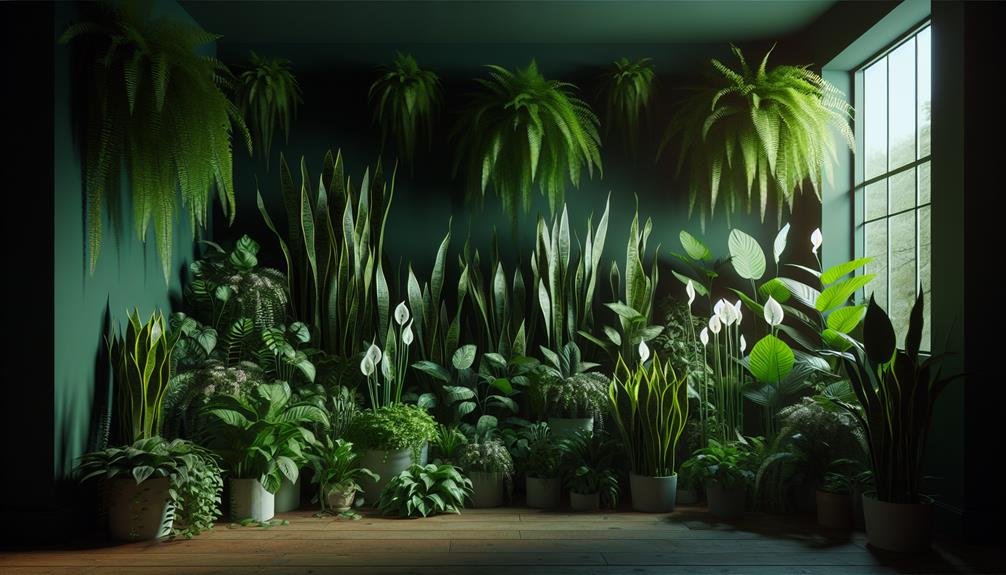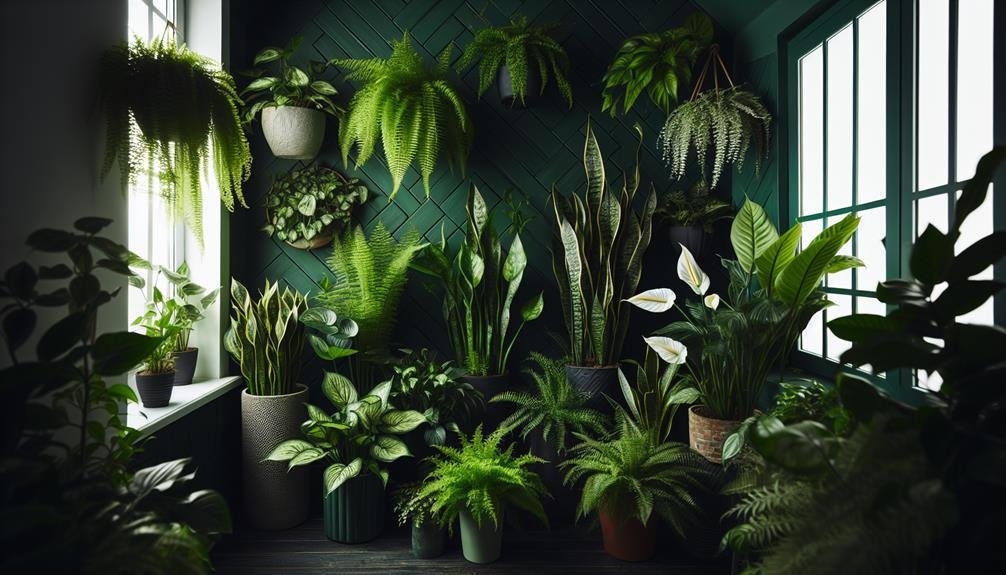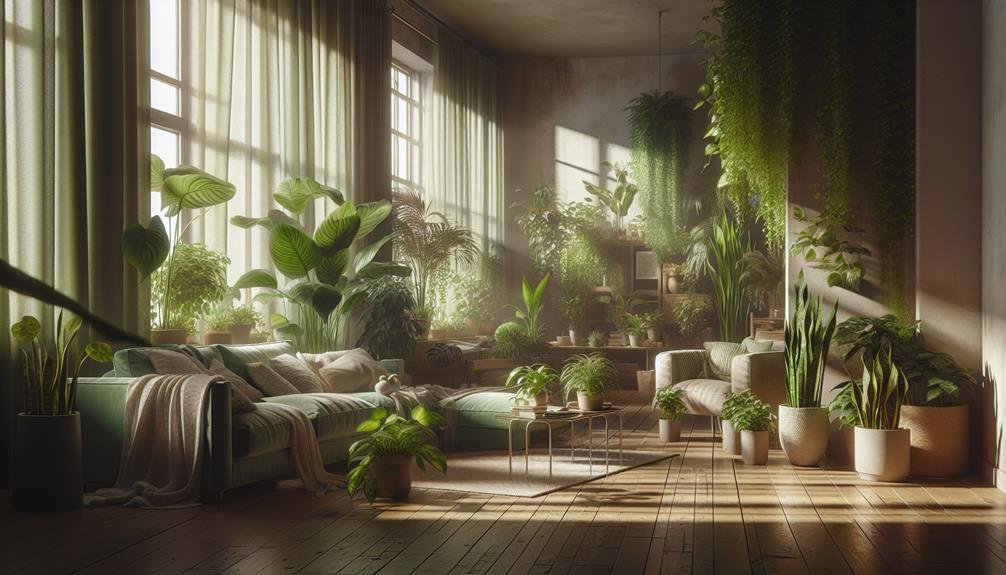
When it comes to adding greenery to your living space, low light houseplants are like quiet companions that thrive in the shadows, bringing life to dim corners.
But how do you choose the right ones for your home? Let's shed light on the top picks and essential care tips to ensure your low light plants not only survive but thrive in their cozy surroundings.
Benefits of Low Light Houseplants
If you're looking to add some greenery to your home but have limited natural light, low light houseplants can be the perfect solution. These plants aren't only visually appealing but also offer several benefits that can enhance your living space.
One of the key advantages of low light houseplants is their ability to thrive in environments where other plants may struggle. This means you can enjoy the beauty of indoor plants even in rooms with minimal sunlight.
Additionally, low light houseplants are known to improve indoor air quality by absorbing toxins and releasing oxygen. By incorporating these plants into your home decor, you can create a healthier living environment for you and your family.
Furthermore, the presence of greenery has been linked to reduced stress levels and increased feelings of well-being. Having low light houseplants around can help create a more relaxed and soothing atmosphere in your home.
Top 5 Low Light Houseplants
When selecting low light houseplants for your home, consider these top 5 options to add greenery to your space.
- Snake Plant: Known for its durability and air-purifying qualities, the Snake Plant thrives in low light conditions, making it a perfect choice for beginners.
- ZZ Plant: With its glossy, dark green leaves, the ZZ Plant can survive in almost any lighting situation, including low light.
- Pothos: This trailing plant is versatile and can adapt to various light conditions, including low light, bright indirect light, or artificial light.
- Peace Lily: The Peace Lily is a classic choice for low light areas, producing beautiful white flowers and requiring minimal care.
- Spider Plant: Easy to grow and maintain, the Spider Plant is resilient and can tolerate low light environments, while also helping to clean the air in your home.
These top 5 low light houseplants are excellent options to bring life and greenery into your home effortlessly.
Care Tips for Low Light Plants
To keep your low light plants healthy and thriving, it's essential to provide them with proper care tailored to their light requirements. Low light plants may not need as much sunlight as other plants, but they still require some light to photosynthesize and grow. Place them in areas with indirect sunlight or artificial light sources to ensure they get the energy they need.
Watering is crucial for low light plants. Make sure to check the soil moisture regularly by sticking your finger into the soil. Water only when the top inch of soil feels dry. Overwatering can lead to root rot, so it's better to underwater than overwater your plants.

Fertilizing low light plants should be done sparingly. They don't need as many nutrients as plants that receive more light. Use a diluted, balanced liquid fertilizer every few months during the growing season.
Regularly dust off your low light plants' leaves to ensure they can absorb light effectively. Wiping them gently with a damp cloth will keep them clean and healthy. With these simple care tips, your low light plants will continue to thrive in their environment.
Decorating With Low Light Plants
For a visually appealing and vibrant home environment, consider incorporating low light plants into your decor. These plants can thrive in areas with minimal natural light, making them versatile additions to any room.
When decorating with low light plants, think about placing them in areas that could benefit from a touch of greenery, such as bookshelves, side tables, or bathroom counters. Hanging plants like pothos or spider plants can add a dynamic element to your space, especially in rooms with limited floor space.
Consider mixing and matching plant sizes and types to create an interesting visual display. Grouping smaller plants together on a tray or plant stand can also create a cohesive look. Remember to regularly dust the leaves of your low light plants to keep them looking fresh and healthy.
Troubleshooting Common Low Light Plant Issues
If your low light plants are showing signs of distress, identifying and addressing common issues promptly can help them thrive.
One common problem is overwatering. If your plant's leaves are turning yellow and mushy, you might be giving it too much water. Make sure the soil is allowed to dry out between waterings.
On the other hand, if the leaves are brown and crispy, your plant might be underwatered. Try increasing the frequency of your watering sessions.
Another issue could be inadequate light. If your plant isn't getting enough light, it may become leggy or have pale leaves. Consider moving it to a brighter spot or supplementing with artificial light.
Pests like spider mites or mealybugs can also wreak havoc on your plants. Regularly inspect your plant for any signs of these pests and treat them promptly.
Frequently Asked Questions
Can Low Light Houseplants Survive in Rooms With No Windows at All?
Yes, low light houseplants can survive in rooms with no windows at all. These plants are adapted to thrive in minimal light conditions, making them perfect for spaces without natural sunlight.
With proper care and occasional artificial lighting, these low light houseplants can still grow and remain healthy even in rooms devoid of windows. Just remember to water them appropriately and provide the necessary nutrients for optimal growth.
Do Low Light Houseplants Need Fertilizer, and if So, How Often Should It Be Applied?
Low light houseplants do benefit from fertilizer, but not as frequently as those in brighter conditions. It's important to provide them with nutrients to support growth, even in lower light settings.
A general rule of thumb is to fertilize every 2-3 months during the growing season. Be mindful not to over-fertilize, as this can harm your plants. Remember, a little goes a long way when it comes to feeding your low light houseplants.
Can Low Light Houseplants Be Placed Near Air Vents or Radiators?
You should avoid placing low light houseplants near air vents or radiators. These sources can create drafts or dry out the air, which can be harmful to your plants.
Opt for a more stable location with consistent temperature and humidity levels. By keeping your plants away from these fluctuations, you can help them thrive and stay healthy.
Is It Possible to Overwater Low Light Houseplants, and How Can I Prevent This?
You can definitely overwater low light houseplants, leading to root rot. To prevent this, ensure the soil dries out between waterings. Use pots with drainage holes and empty excess water from saucers.
Stick your finger into the soil to check moisture levels before watering. Consider using a moisture meter for accuracy.
Are There Any Low Light Houseplants That Are Safe for Pets to Be Around?
When selecting low light houseplants safe for pets, consider options like spider plants, Boston ferns, and parlor palms. These varieties are non-toxic to cats and dogs, making them a great choice for pet-friendly homes.
Remember to place them in areas where your furry friends can't easily access them to prevent any unwanted nibbling. With these plants, you can create a green and safe environment for both your pets and your plants.
Conclusion
In conclusion, low light houseplants are a great addition to any home, providing numerous benefits such as air purification and stress reduction.
With the right care and attention, you can enjoy the beauty of these plants even in rooms with minimal natural light.
Remember to follow the care tips provided to keep your low light plants healthy and thriving.
So go ahead and start decorating your home with these simple care low light houseplants today!