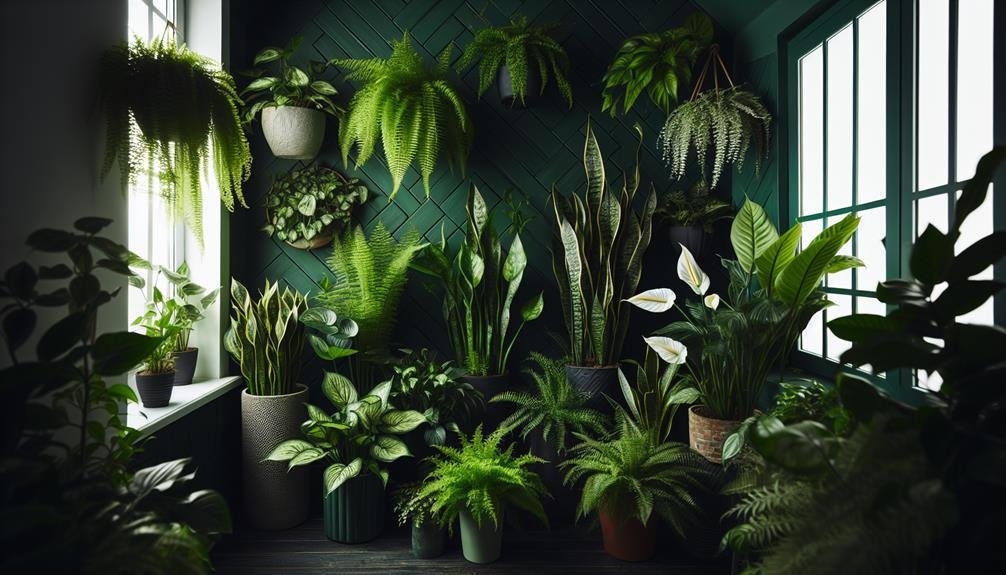
Have you ever wondered if you could grow new houseplants without using soil? The answer may surprise you. By exploring innovative soil-free propagation methods, you can expand your plant collection in unique ways.
Discover how simple it is to propagate your favorite plants using alternative mediums and techniques. Stay tuned to uncover the secrets of successful soil-free houseplant propagation and watch your indoor garden flourish like never before.
Supplies You'll Need
To get started with propagating your houseplants, gather the necessary supplies. You'll need a sharp pair of pruning shears or scissors to take cuttings from the parent plant. Make sure they're clean to prevent any infections. Next, prepare some small pots or containers for planting the cuttings. These containers should have drainage holes at the bottom to avoid waterlogging.
Additionally, have a suitable potting mix ready. You can either buy a pre-made mix suitable for the type of plants you're propagating or create your own by mixing peat moss, perlite, and vermiculite. Also, get some rooting hormone to help the cuttings develop roots faster. This hormone stimulates root growth and increases the chances of successful propagation.
Lastly, have a spray bottle filled with water to keep the soil moist without overwatering the cuttings. Maintaining the right level of moisture is crucial for successful propagation. With these supplies in hand, you're ready to start propagating your houseplants with confidence.
Choose the Right Houseplant
Selecting the appropriate houseplant is crucial for successful propagation. When choosing a houseplant for propagation, consider selecting a healthy plant with no signs of disease or pests. Look for a plant that has strong stems and vibrant leaves, as these are good indicators of a plant's overall health and ability to propagate successfully.
Additionally, it's important to choose a houseplant that's suitable for the environment where you plan to propagate it. Consider factors such as light levels, temperature, and humidity requirements to ensure the plant will thrive in its new environment. Some houseplants may require more sunlight, while others prefer low-light conditions, so be sure to select a plant that matches the conditions of your home.
Furthermore, choose a houseplant that you enjoy and that will fit well in your space. Whether you prefer flowering plants, foliage plants, or succulents, pick a plant that aligns with your aesthetic preferences and care capabilities. By selecting the right houseplant for propagation, you increase your chances of successful growth and enjoyment of the process.
Select a Propagation Method
Consider the various propagation methods available to determine the most suitable approach for your chosen houseplant. When choosing a method, think about factors like the type of plant, your experience level, and the resources you have available.
One common method is water propagation, where you place the cuttings in water until they develop roots. This works well for plants like pothos and philodendron.

Another method is using a soilless mix, which involves planting the cuttings in a mix of materials like perlite or vermiculite. This method is great for plants like succulents and snake plants.
Air layering is another technique where you encourage roots to grow while still attached to the mother plant. This method is suitable for plants like rubber trees and fiddle leaf figs.
Whichever method you choose, make sure to provide the right conditions for your cuttings to thrive.
Care for Your Propagated Cuttings
Ensure your propagated cuttings receive adequate sunlight and consistent moisture to support healthy root development. Place them in a bright location, but avoid direct sunlight, as it can cause the cuttings to dry out. A spot with bright, indirect light is ideal for most plant varieties.
Check the moisture level of the growing medium regularly. The soil should be kept slightly moist but not waterlogged. Overwatering can lead to root rot, while underwatering can cause the cuttings to dry up and wither.
Mist the cuttings occasionally to maintain humidity around them, especially if you notice the leaves starting to wilt or curl. Keep an eye on the overall health of your cuttings and prune away any yellowing or decaying leaves.
As the roots develop, you may start to see new growth above the soil. Once the roots are well established, you can consider transitioning the cuttings to a regular potting mix for continued growth.
Troubleshooting Common Issues
If you encounter issues with your propagated cuttings, troubleshooting common problems can help you address them effectively.
One common problem you might face is wilting or drooping leaves. This could indicate that the cutting isn't getting enough water. Check the soil moisture level and adjust your watering schedule accordingly. On the other hand, if the leaves are turning yellow or brown and falling off, it might be a sign of overwatering. Allow the soil to dry out before watering again.
Another issue to watch out for is mold or mildew on the cutting or in the propagation container. This can be caused by excessive moisture and poor air circulation. Remove any affected leaves or cuttings and improve ventilation around your plants.
Additionally, if you notice stunted growth or lack of new roots forming, the cutting mightn't be receiving enough light. Move it to a brighter location but avoid direct sunlight to prevent burning. By addressing these common problems promptly, you can ensure the successful propagation of your houseplants.
Frequently Asked Questions
Can I Use Tap Water for Propagating My Houseplants, or Should I Use Filtered or Distilled Water?
You can use tap water for propagating your houseplants, but filtered or distilled water is better. Tap water may contain chemicals and minerals that can harm delicate plant cuttings.
Filtered or distilled water ensures a cleaner environment for your plants to grow roots.
Is It Necessary to Use a Rooting Hormone When Propagating Houseplants, or Can I Skip This Step?
When propagating houseplants, using a rooting hormone isn't always necessary. Some plants can root successfully without it. Factors like the type of plant, environmental conditions, and your propagation method can influence the need for a rooting hormone.
Research your specific plant species to determine if using a rooting hormone will benefit the propagation process. Feel free to experiment to see what works best for your plants!
How Often Should I Change the Water in My Propagation Vessel to Prevent Mold or Bacterial Growth?
To prevent mold or bacterial growth in your propagation vessel, change the water every 2-3 days. This frequent water change helps maintain a clean environment for your plant cuttings to thrive.
Can I Propagate Houseplants in Low Light Conditions, or Do They Need to Be Placed in a Sunny Spot?
You can propagate houseplants in low light conditions, but it may slow down the process. While they thrive in sunny spots, some species can still root in low light. Consider placing your cuttings near a bright window to promote growth.
Remember to monitor their progress and adjust the location if needed. With patience and care, you can successfully propagate houseplants even in less sunny areas of your home.
Are There Any Houseplants That Are Particularly Difficult to Propagate, and Should I Avoid Trying to Propagate Them as a Beginner?
Some houseplants can be more challenging to propagate, making them less ideal for beginners. These plants might require specific conditions, timing, or techniques that can be trickier to master.
It's advisable to start with easier-to-propagate plants like pothos, spider plants, or snake plants when you're just beginning.
As you gain more experience and confidence in your propagation skills, you can gradually try your hand at propagating more challenging houseplants.
Conclusion
In conclusion, propagating houseplants without soil can be a fun and rewarding way to expand your indoor garden.
With the right supplies, plant selection, and care, you can successfully grow new plants from cuttings.
Remember to monitor your propagated cuttings for any issues and address them promptly to ensure they thrive.
Happy propagating!