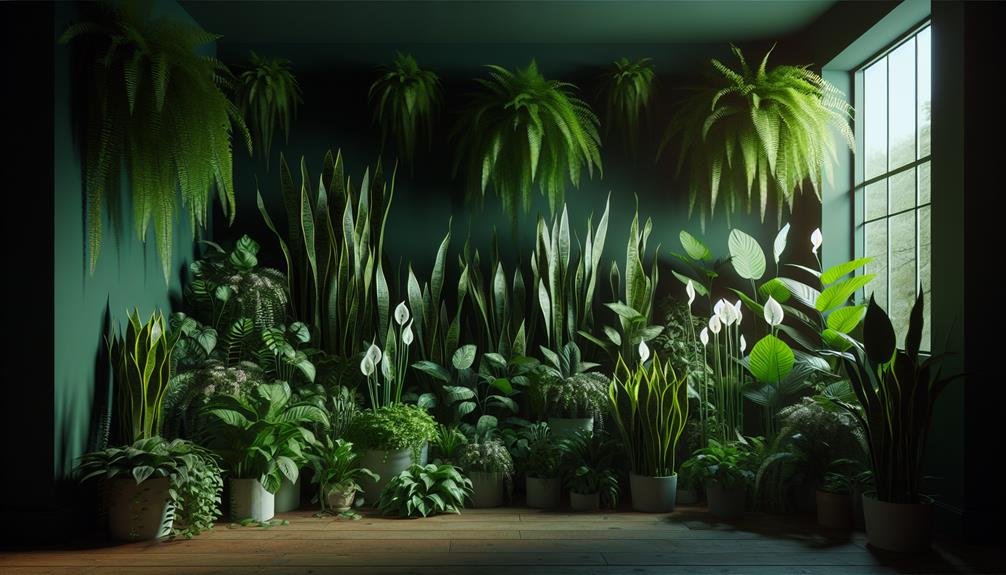
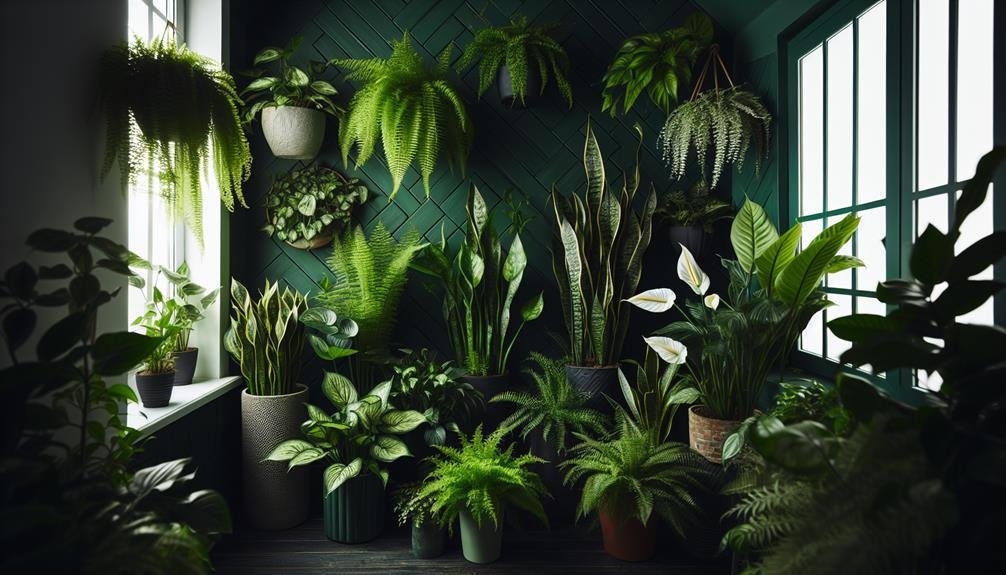
Transform your living space into a tranquil oasis with stylish houseplants, like a painter adding the final brushstrokes to a masterpiece.
Discover how these green companions can elevate your home decor effortlessly. From the air-purifying benefits to the aesthetic appeal they bring, houseplants have a lot to offer.
Stay tuned to explore the diverse world of houseplants and find the perfect match for your home.
Benefits of Stylish Houseplants
Enhancing your living space with stylish houseplants not only adds aesthetic appeal but also boosts indoor air quality. These green companions aren't just pretty additions to your decor; they also act as natural air purifiers, removing toxins and increasing oxygen levels in your home. By absorbing carbon dioxide and releasing oxygen through photosynthesis, houseplants contribute to a healthier indoor environment, reducing stress and enhancing overall well-being.
In addition to their air-purifying properties, stylish houseplants can also improve your mood and productivity. Studies have shown that being around plants can lower blood pressure, reduce anxiety, and increase feelings of calmness. Having these natural elements in your living space can create a sense of tranquility and connection to nature, promoting a sense of relaxation and rejuvenation.
Types of Houseplants to Consider
Considering the benefits of stylish houseplants in improving both the aesthetics and air quality of your living space, it's important to explore the various types of houseplants that can complement your decor and contribute to a healthier indoor environment.
When selecting houseplants, think about the lighting conditions in your home. For low-light areas, consider options like Snake Plants, Peace Lilies, or Spider Plants. These plants aren't only easy to care for but also thrive in spaces with minimal natural light.
If your space receives ample sunlight, you may opt for plants such as Fiddle Leaf Figs, Rubber Plants, or Aloe Vera, which require more light to flourish.
Additionally, you can add a touch of greenery to your home with hanging plants like String of Pearls, Boston Ferns, or English Ivy. These varieties can be suspended from the ceiling or placed on high shelves to bring a dynamic element to your decor. Remember to consider your lifestyle and the care requirements of each plant to ensure they thrive in your home environment.
Essential Care Tips for Houseplants
To ensure the health and longevity of your houseplants, it's crucial to follow essential care tips for proper maintenance.

First, pay attention to watering. Overwatering can lead to root rot, while underwatering can cause wilting. Stick your finger into the soil; if it feels dry an inch down, it's time to water.
Next, light is vital. Different plants have varying light requirements, so place them accordingly – some need direct sunlight, while others thrive in low light. Regularly dusting the leaves helps plants absorb more light.
Additionally, consider the temperature and humidity levels in your home. Most houseplants prefer temperatures between 65-75°F and moderate humidity.
Fertilize your plants during the growing season to provide essential nutrients.
Lastly, inspect your plants regularly for pests or diseases. Catching issues early can prevent them from spreading and damaging your plants.
Stylish Ways to Display Houseplants
Get creative with how you showcase your houseplants to elevate the style of your space. There are various stylish ways to display your greenery that can enhance the overall look of your home.
Hanging planters are a trendy option that not only save space but also add a touch of sophistication to any room. Consider placing your plants on floating shelves to create a visually appealing display that draws the eye upward, making the room feel more spacious.
Another chic way to showcase your houseplants is by using decorative plant stands of different heights to create a dynamic and interesting arrangement. Opt for sleek, modern planters for a contemporary look, or choose vintage pots for a more eclectic feel.
Grouping different plants together in a cluster can also create a lush and vibrant focal point in any corner of your home. Don't be afraid to mix and match different styles and textures to create a unique display that reflects your personal taste and enhances the aesthetic of your space.
Houseplants for Different Room Settings
Enhance the ambiance of each room by selecting houseplants that complement the specific lighting and humidity levels.
In the living room, consider large, leafy plants like the fiddle leaf fig or a rubber plant to add a touch of elegance and air-purifying benefits. These plants thrive in bright, indirect light, making them perfect for spaces with ample natural light.
For the bedroom, opt for low-maintenance plants such as a snake plant or a pothos that can tolerate low light conditions. These plants not only help improve indoor air quality but also create a calming atmosphere that promotes better sleep.
In the kitchen, herbs like basil, mint, or rosemary thrive in the warmth and humidity of the room, providing fresh ingredients for your culinary creations.
Lastly, in the bathroom, consider plants like aloe vera or a peace lily that thrive in high humidity environments. These plants not only add a spa-like feel but also thrive in the steamy conditions of the bathroom.
Frequently Asked Questions
Can Houseplants Help Improve Indoor Air Quality?
Houseplants can indeed help improve indoor air quality. They've the ability to absorb carbon dioxide and release oxygen through photosynthesis.
Additionally, some houseplants can also filter out harmful toxins and chemicals present in the air, such as formaldehyde and benzene.
Are There Any Houseplants That Are Safe for Pets?
When choosing houseplants safe for pets, consider options like spider plants, Boston ferns, or African violets. These plants are non-toxic to cats and dogs, making them a great addition to your home without worrying about your furry friends.
Remember to place them in areas where your pets can't easily access them to avoid any potential mishaps. Enjoy the beauty of these plants while keeping your pets safe and happy.
How Often Should Houseplants Be Repotted?
When should you repot houseplants?
It's best to repot them every 1-2 years, or when you notice the roots are outgrowing the current container. Keep an eye out for roots circling the pot's bottom or poking out from the drainage holes.
Spring is a great time for repotting, as plants are entering their active growth phase. Choose a slightly larger pot with good drainage to allow your plant to thrive in its new home.
What Are Some Common Pests That Can Affect Houseplants?
Common pests that can affect houseplants include aphids, spider mites, and mealybugs. These critters can wreak havoc on your green friends if left unchecked.
To keep these pests at bay, regularly inspect your plants for any signs of infestation. If you do spot them, promptly remove them by spraying with insecticidal soap or water with a bit of dish soap.
Prevention and early intervention are key to keeping your houseplants happy and healthy.
Do Houseplants Require Different Care During Different Seasons?
Houseplants may need varying care depending on the season. Factors like sunlight, temperature, and humidity affect their growth. In winter, plants may require less water due to reduced evaporation. Conversely, summer might demand more frequent watering.
Adjusting fertilization and pruning schedules according to seasonal changes can help maintain healthy houseplants year-round. Remember to observe your plants closely to provide the best care for them throughout the seasons.
Conclusion
Sprucing up your space with stylish houseplants is an easy and affordable way to add beauty and life to any room.
With a variety of plants to choose from and essential care tips to keep them thriving, you can create a stylish and inviting atmosphere in your home.
So go ahead and bring some greenery indoors to freshen up your space and enjoy the many benefits that houseplants have to offer.