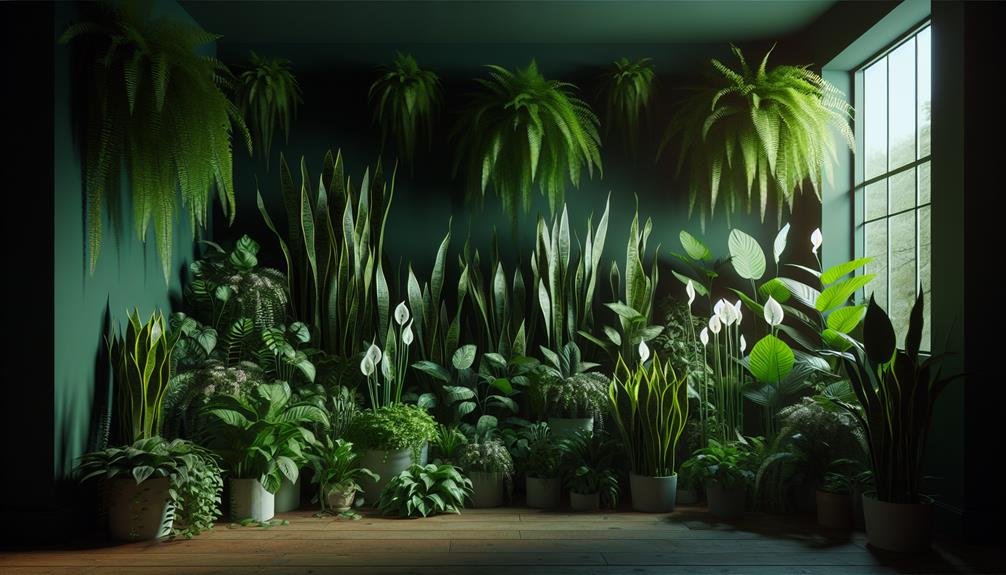
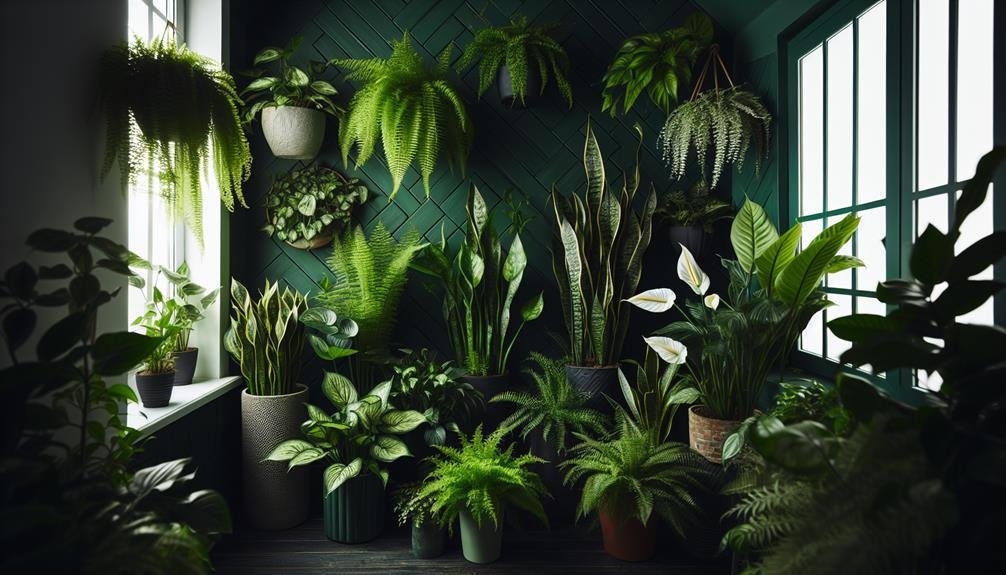
In the cold embrace of winter, your houseplants are like resilient snowflakes, each with its unique way of surviving the frosty season. But do you know the secrets to ensure they not only survive but thrive during these chilly months?
Discover the carefully curated selection of houseplants that are winter warriors, standing strong against the icy winds and dim light.
Uncover the hidden strategies that will keep your indoor garden lush and vibrant, even when the world outside is covered in a blanket of snow.
Best Houseplants for Winter Survival
To thrive during winter, opt for houseplants that require minimal sunlight and can withstand cooler temperatures. Look for plants like the Spider Plant, which is hardy and can survive in various conditions. Its long, arching leaves add a touch of elegance to any space while requiring little maintenance.
Another excellent choice is the Peace Lily, known for its air-purifying qualities and ability to bloom in low light. This plant thrives in higher humidity levels, making it ideal for bathrooms or kitchens.
For a pop of color during the dreary winter months, consider the African Violet. With proper care, it will reward you with vibrant flowers in shades of purple, pink, or white.
The Snake Plant is a resilient option that can endure neglect and low light levels, perfect for beginners or those with busy schedules. By selecting houseplants that can adapt to winter conditions, you can enjoy a lush and vibrant indoor garden all year round.
Light Requirements for Thriving Plants
When selecting houseplants for winter, understanding their light requirements is key to ensuring they thrive in indoor settings. Different plants have varying needs when it comes to light exposure. Some plants, like succulents and cacti, thrive in bright, direct sunlight. Placing these sun-lovers near south-facing windows can provide them with the intense light they crave.
On the other hand, plants such as snake plants and pothos can tolerate lower light conditions and are well-suited for corners or areas with indirect sunlight.
If you notice your plant leaning towards the light source or its leaves turning pale, it may be an indication that it needs more light. Consider rotating your plants regularly to ensure all sides receive adequate light exposure. Using grow lights can also be beneficial, especially during the darker winter months when natural light is limited.

Watering Strategies for Cold Months
During the cold winter months, adjusting your watering routine for houseplants is crucial to ensuring their health and vitality. With the decrease in light and lower temperatures during winter, plants tend to require less water. Overwatering can lead to root rot, while underwatering can cause stress to the plant. It's essential to strike the right balance.
To determine when your plants need water, perform the finger test. Stick your finger into the soil about an inch deep; if it feels dry, it's time to water. Water your plants thoroughly but ensure that excess water can drain away to prevent waterlogging. Using room temperature water can help prevent shocking the plant.
Consider using a moisture meter to accurately gauge the moisture level in the soil. Another strategy is to group plants together to create a more humid microclimate that can reduce water evaporation. Remember, each plant species may have varying water needs, so it's essential to research individual requirements. By adjusting your watering strategies accordingly, you can help your houseplants thrive during the cold winter months.
Humidity Hacks for Healthy Growth
Adjust your indoor environment to promote healthy growth by implementing humidity hacks for your houseplants.
Maintaining proper humidity levels is crucial for the well-being of your plants during the winter months. To increase humidity, group your houseplants together. As plants release moisture through a process called transpiration, clustering them can create a microclimate with higher humidity levels.
Another effective hack is to place a tray filled with water near your plants. As the water evaporates, it adds moisture to the air around your plants. Additionally, misting your houseplants with water can mimic a humid environment. However, avoid misting plants with fuzzy leaves, as this can lead to fungal diseases.
Lastly, investing in a humidifier can be a game-changer for your indoor garden. A humidifier will consistently provide the ideal moisture levels for your plants to thrive. By incorporating these humidity hacks, you can ensure that your houseplants stay healthy and vibrant throughout the winter.
Winter Care Tips for Houseplants
To ensure your houseplants thrive during the winter months, implement these essential care tips.
First, adjust your watering routine. With lower light levels and cooler temperatures, plants need less water. Check the soil moisture before watering to avoid overwatering, which can lead to root rot.
Secondly, consider the placement of your plants. Position them near bright windows to maximize light exposure, as daylight hours decrease during winter. Rotate them regularly to ensure even growth on all sides.
Additionally, maintain consistent indoor temperatures. Most houseplants prefer temperatures between 65-75°F (18-24°C). Avoid placing them near drafty windows or heat sources that can cause stress.
Furthermore, increase humidity levels by using a humidifier or placing a tray of water near your plants. This helps combat the dry air common in winter.
Lastly, keep an eye out for pests that might be seeking shelter indoors. Regularly inspect your plants for any signs of infestation and take appropriate action promptly.
Frequently Asked Questions
Are There Any Houseplants That Can Survive in Extremely Low Temperatures During Winter?
You can find houseplants that survive in extremely low winter temperatures.
Some plants, like the snake plant and the spider plant, can handle the cold. These hardy plants can thrive in chilly conditions with proper care.
Keep an eye out for plants labeled as cold-resistant or suitable for winter. With the right selection and care, you can enjoy greenery even in the coldest months.
How Can I Prevent My Houseplants From Getting Pests and Diseases During the Winter Months?
To prevent pests and diseases during winter, keep your houseplants healthy with proper care.
Inspect them regularly for any signs of pests like spider mites or fungus gnats.
Avoid overwatering, as soggy soil can lead to root rot and attract pests.
Ensure good airflow around your plants by not overcrowding them.
If you do notice any issues, treat them promptly with natural remedies or insecticidal soap to keep your indoor garden thriving.
Can I Use a Humidifier to Increase Humidity Levels for My Houseplants in the Winter?
Yes, you can use a humidifier to increase humidity levels for your houseplants in the winter. This will help create a more suitable environment for them to thrive.
Just make sure to monitor the humidity levels to prevent any issues like mold or mildew. Remember to place the humidifier near your plants for maximum effect and adjust the settings accordingly based on the needs of your specific houseplants.
Are There Any Specific Fertilizers or Supplements That Are Beneficial for Houseplants During the Winter?
During winter, your houseplants can benefit from fertilizers with higher potassium content to promote root growth and resilience. Supplements like seaweed extract or compost tea can also provide essential nutrients.
Remember to dilute them properly and avoid over-fertilizing, as plants tend to grow slower in the winter. These fertilizers and supplements can help support your indoor plants during the colder months and keep them healthy and thriving.
How Can I Protect My Houseplants From Drafts and Temperature Fluctuations in the Winter?
To protect your houseplants from drafts and temperature changes in the winter, place them away from drafty windows or doors. Use insulating materials like bubble wrap or blankets to shield them from cold air.
Keep them in rooms with stable temperatures and avoid sudden changes. Consider using a humidifier to maintain adequate moisture levels.
Regularly check for any signs of stress or damage caused by temperature fluctuations.
Conclusion
Now that you know the best houseplants for winter survival, how to meet their light and watering needs, and how to maintain proper humidity levels, you're well-equipped to care for your indoor greenery during the cold months.
Remember to follow these winter care tips to ensure your plants stay healthy and vibrant all season long. With a little attention and care, your houseplants will thrive even in the darkest days of winter.