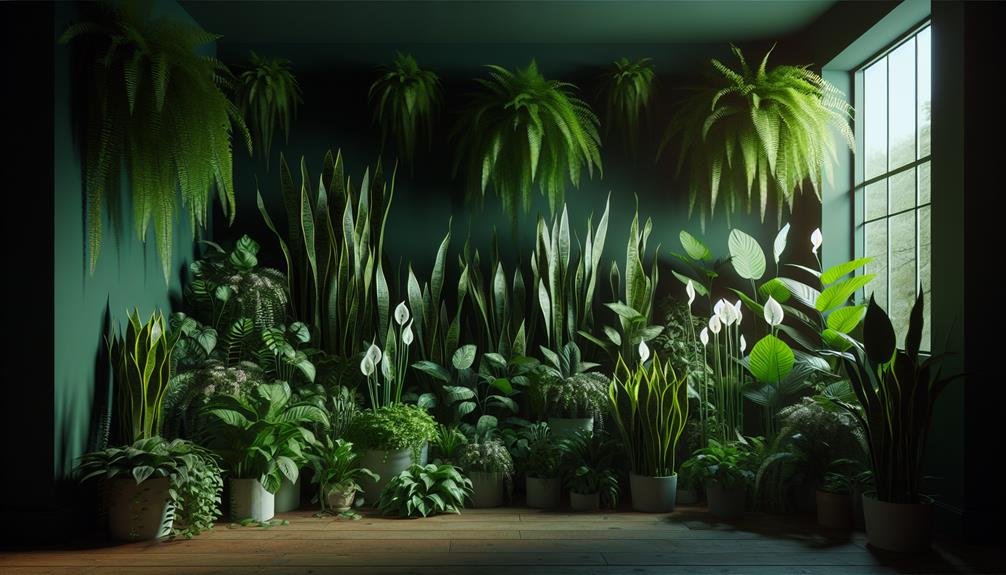
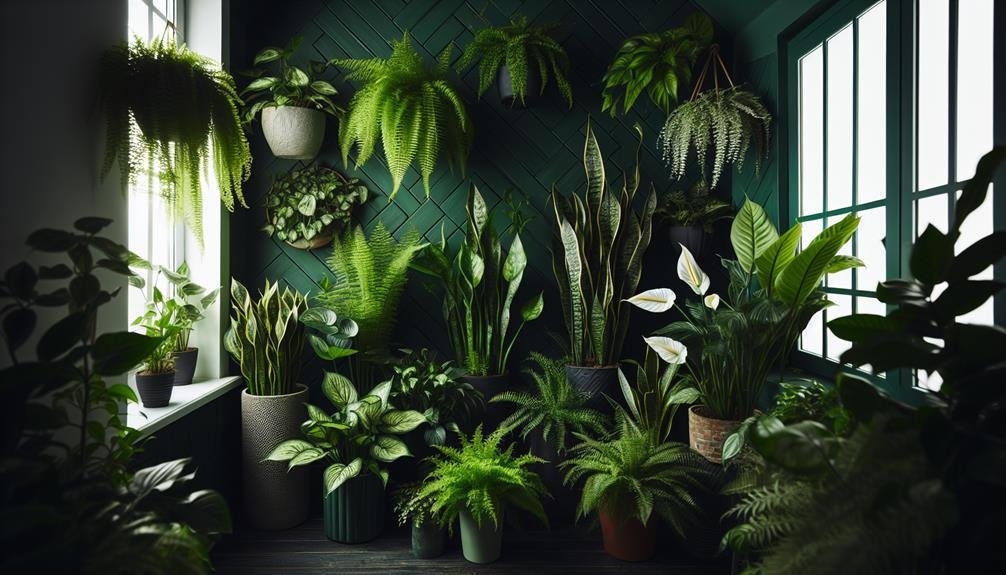
Unlock the door to a flourishing indoor garden with the wisdom passed down through generations.
As you navigate the realm of indoor plant care, you'll soon discover that the key to vibrant and thriving greenery lies not in modern gadgets but in age-old practices.
Curious to uncover the ancient secrets that have stood the test of time and promise to transform your indoor oasis into a haven of lush tranquility?
Origins of Easy-Care Indoor Plants
Easy-care indoor plants have origins that trace back to ancient civilizations where people first recognized the benefits of bringing nature indoors. In these early societies, individuals discovered that certain plants could thrive indoors with minimal maintenance, providing not only aesthetic pleasure but also practical advantages. The practice of cultivating easy-care indoor plants spread across cultures, with each society developing its techniques for nurturing these green companions.
As time progressed, the knowledge of caring for indoor plants evolved, leading to the selection and propagation of species that could withstand the conditions found inside dwellings. Through trial and error, our ancestors identified plants that required little water, sunlight, or attention, making them ideal for indoor environments. These resilient species became staples in households, serving as reminders of the natural world and offering a sense of tranquility amidst the hustle and bustle of daily life.
Today, the tradition of easy-care indoor plants continues, with a wide variety of options available to suit every lifestyle and preference. By understanding the origins of these plants, you can appreciate the long history behind your leafy companions and the enduring appeal of bringing a touch of nature indoors.
Ancient Techniques for Plant Care
Ancient civilizations developed innovative techniques for tending to indoor plants, laying the foundation for the care practices we use today. One such technique was the use of clay pots for planting. These pots helped regulate moisture levels and provided stability for the plants. Additionally, ancient gardeners would often utilize natural fertilizers such as compost made from organic waste to nourish their plants. This practice not only enriched the soil but also promoted healthier growth.
Another ancient technique involved strategic placement of plants near windows or openings to ensure they received adequate sunlight. By understanding the movement of the sun throughout the day, ancient gardeners maximized light exposure for their indoor plants. Furthermore, some civilizations practiced the art of pruning and shaping plants to control growth and encourage bushier foliage.
Incorporating these ancient techniques into your plant care routine can help foster healthier and more vibrant indoor plants. By drawing inspiration from the past, you can create an environment where your plants thrive and flourish.
Traditional Plant Care Remedies
Utilize age-old plant care remedies passed down through generations to nurture your indoor greenery effectively. Traditional plant care remedies often involve using natural ingredients that are gentle yet powerful. For instance, creating a mixture of water and mild dish soap can help control common pests like aphids on your plants. Additionally, spraying a solution of diluted neem oil can act as a natural fungicide to combat plant diseases.

Another traditional remedy is using eggshells to provide calcium to your plants. Crushed eggshells placed at the base of the plant can slowly release calcium into the soil as they decompose, which is beneficial for plants that require this nutrient for healthy growth.
Furthermore, utilizing brewed chamomile tea as a plant tonic can help boost the overall health of your indoor plants. The anti-fungal properties of chamomile can protect your plants from diseases while also serving as a gentle fertilizer. Incorporating these traditional plant care remedies into your routine can enhance the well-being of your indoor plants effectively and naturally.
Simplifying Plant Care Practices
Simplify your plant care routine by incorporating time-saving techniques and modern tools. Start by setting up a watering schedule to ensure your plants receive consistent moisture without overdoing it. Invest in self-watering planters or watering globes to automate this task. Additionally, consider using a moisture meter to accurately gauge when your plants actually need watering, saving you from unnecessary guesswork.
Another time-saving tip is to group plants with similar care needs together. This way, you can water, fertilize, and prune them all at once, rather than tending to each plant individually. Utilize a plant care app to set reminders for specific tasks, such as fertilizing or rotating your plants for even growth.
When it comes to cleaning your plants, use a damp cloth or gentle spray of water to wipe down leaves and prevent dust buildup. For larger plants, consider a handheld vacuum with a soft brush attachment for quick and efficient cleaning. By simplifying your plant care practices with these modern techniques, you can enjoy a thriving indoor garden with minimal effort.
Timeless Tips for Indoor Plant Care
For timeless success in caring for your indoor plants, remember to establish a consistent watering routine. Proper watering is essential for the health and vitality of your indoor plants. Overwatering can lead to root rot, while underwatering can cause wilting and stunted growth. Check the moisture level of the soil regularly by inserting your finger about an inch deep; water only when the topsoil feels dry.
In addition to watering, ensure your indoor plants receive adequate sunlight. Most indoor plants thrive in bright, indirect light. Place them near windows or use artificial grow lights if natural light is limited. Regularly dust off the leaves to help the plant absorb light more efficiently.
Another timeless tip is to monitor the humidity levels around your plants. Indoor plants often prefer higher humidity levels, especially during the winter months when indoor heating can make the air dry. You can use a humidifier or place a tray filled with water near your plants to increase humidity.
Frequently Asked Questions
How Can I Prevent My Indoor Plants From Attracting Pests and Insects?
To prevent pests and insects from bothering your indoor plants, start by regularly inspecting them for any signs of infestation. Remove dead leaves and debris where pests might hide.
Try using natural remedies like neem oil or insecticidal soap. Overwatering can attract bugs, so make sure you're not watering too frequently.
Lastly, isolate any plant that seems to be heavily infested to prevent the spread to other plants.
Are There Any Specific Indoor Plants That Are Known for Improving Air Quality in the Home?
If you're looking to improve air quality in your home, consider adding specific indoor plants. Some plants known for this purpose include:
- Snake plants
- Spider plants
- Pothos
- Peace lilies
- Rubber plants
These plants are great at purifying the air by filtering out toxins and releasing oxygen. Placing them strategically around your living space can make a positive difference in the air you breathe every day.
What Are Some Common Mistakes People Make When Caring for Indoor Plants?
When caring for indoor plants, common mistakes happen. Overwatering can drown roots, so stick to a watering schedule.
Not enough light leads to leggy plants; find a sunny spot.
Check for pests regularly to nip problems in the bud.
Wrong pot size can stunt growth, so repot when needed.
Are There Any Indoor Plants That Are Toxic to Pets and Should Be Avoided?
When selecting indoor plants, ensure you choose pet-friendly options. Some indoor plants can be toxic to pets if ingested, causing harm. Common plants like lilies, aloe vera, and pothos can be harmful to your furry friends.
To keep your pets safe, opt for non-toxic plants such as spider plants, Boston ferns, or African violets. Always research a plant's toxicity level before bringing it home to create a safe environment for your pets.
How Can I Ensure Proper Drainage for My Indoor Plants to Prevent Root Rot?
To ensure proper drainage for your indoor plants and prevent root rot, you should choose pots with drainage holes at the bottom. Place a layer of gravel or small rocks at the base of the pot before adding soil to enhance drainage.
Additionally, monitor how much water your plants need and avoid overwatering. This simple practice will help maintain healthy roots and thriving indoor plants.
Conclusion
In conclusion, by tapping into the ancient secrets of easy-care indoor plants, you can simplify your plant care routine and ensure your plants thrive.
Incorporate traditional techniques and remedies into your practices to keep your indoor greenery healthy and vibrant.
Remember to water, prune, and provide the right amount of light to help your plants flourish.
With a little bit of time and effort, you can enjoy a beautiful indoor garden that will bring joy and tranquility to your space.