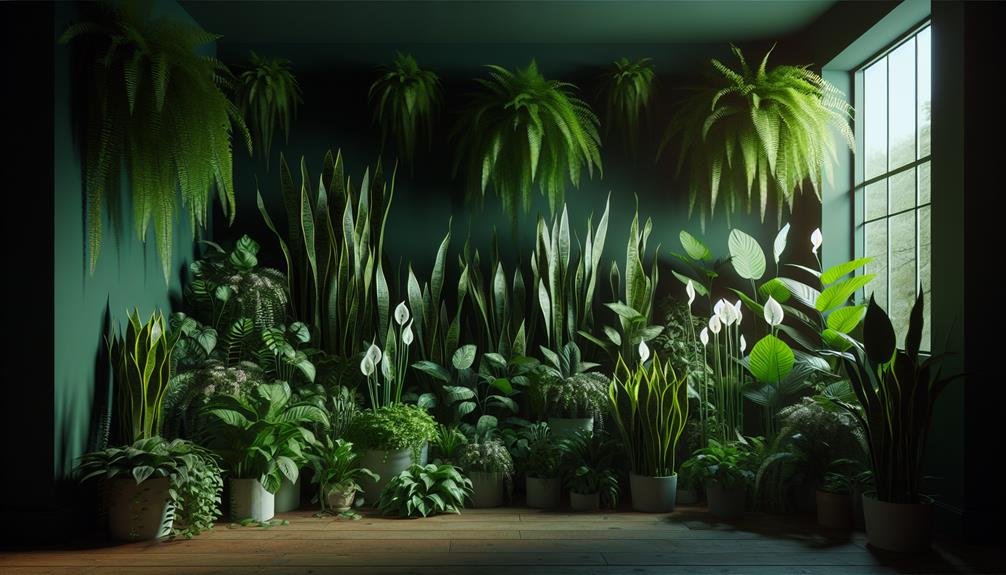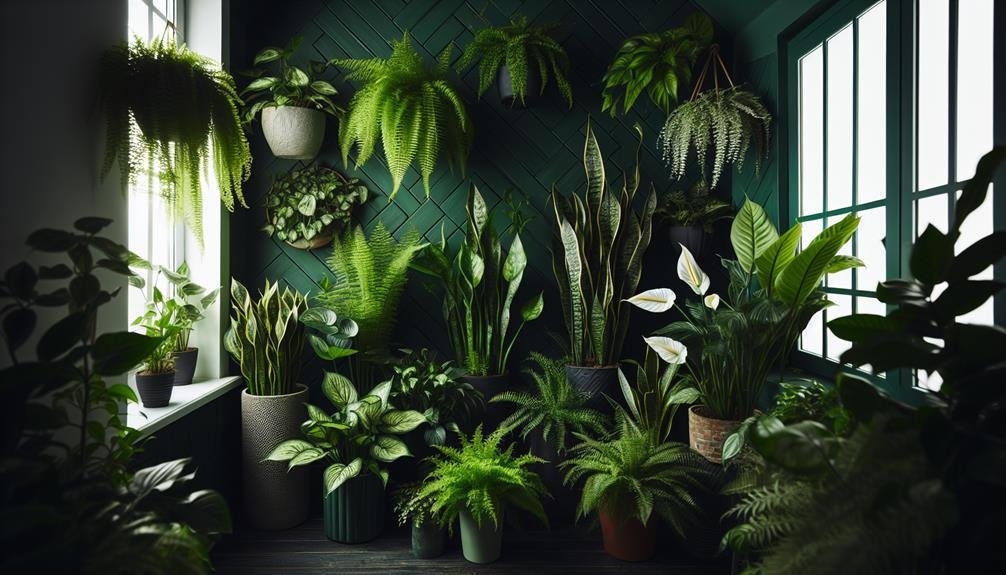
Looking to cultivate a serene environment in your home? Discover the top five houseplants renowned for their ability to create a quiet, peaceful atmosphere.
These green companions not only add a touch of nature to your space but also have been scientifically proven to enhance tranquility.
Curious to find out which plants made the cut? Stay tuned to uncover the secrets behind these scientifically backed silent houseguests.
Research-Backed Quiet Houseplants for Calm
For a serene environment, consider incorporating research-backed quiet houseplants into your living space. These plants not only add a touch of greenery but also contribute to reducing noise levels and promoting a sense of calmness in your home. Research has shown that certain houseplants have the ability to absorb sound waves and dampen noise, making them ideal additions to your indoor environment.
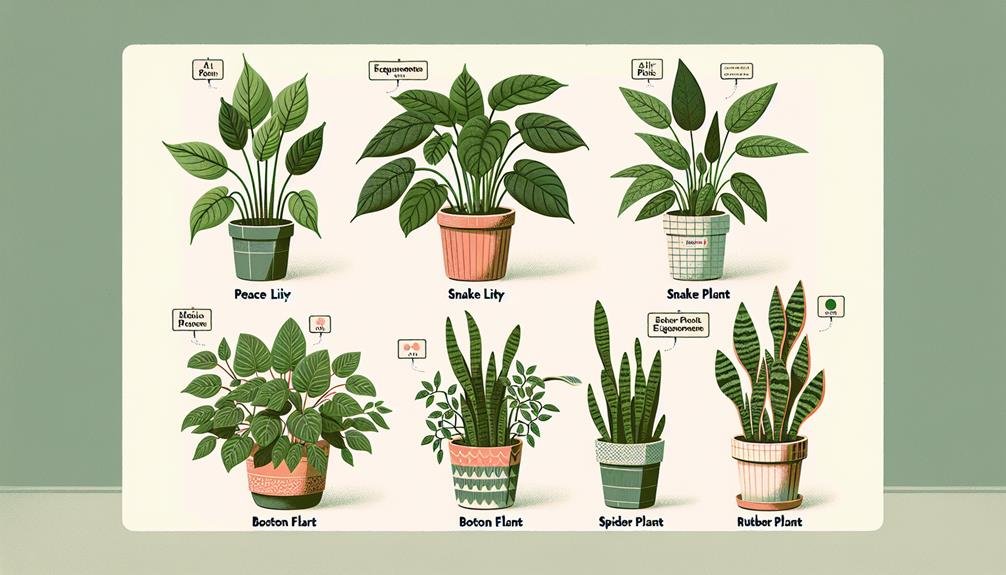
Peace lilies are one of the top choices for quiet houseplants, known for their elegant white blooms and air-purifying qualities. Their broad leaves help to absorb sound, making them excellent companions for creating a tranquil atmosphere.
Another research-backed option is the spider plant, which is easy to care for and effective at reducing high-frequency sound levels. Its cascading foliage adds a decorative element while providing acoustic benefits.
Top Noise-Reducing Houseplants to Consider
Consider incorporating peace lilies and spider plants into your home for their noise-reducing qualities and decorative appeal. These houseplants aren't only visually pleasing but also function as natural sound absorbers. Peace lilies, with their lush green leaves and elegant white blooms, can help dampen high-frequency noises, creating a more tranquil environment. Spider plants, known for their air-purifying properties, also excel at reducing background noise, making them great additions to bedrooms or home offices where a quiet atmosphere is desired.
Another excellent option is the rubber plant, which features large, glossy leaves that add a touch of sophistication to any room. This plant is effective at absorbing sound waves, particularly those in the higher frequencies. If you're looking for a low-maintenance plant that can help minimize noise levels, the rubber plant is a fantastic choice. By strategically placing these noise-reducing houseplants throughout your home, you can create a peaceful sanctuary where unwanted noise is kept at bay.
Serene Indoor Plants for Peaceful Spaces
Enhance the tranquility of your indoor spaces with carefully selected serene houseplants. When creating a peaceful environment, consider plants like the Lavender plant. Known for its calming fragrance, Lavender can help reduce stress and anxiety, promoting a sense of relaxation.
Another excellent choice is the Peace Lily, which not only adds a touch of elegance with its white flowers but also helps purify the air, creating a healthier atmosphere. The Snake Plant is a low-maintenance option that thrives in low light conditions, perfect for bringing a sense of serenity to any corner of your home.

If you're looking for a plant that symbolizes peace and harmony, the Bamboo Palm is a fantastic choice. This plant not only adds a tropical touch to your space but also acts as a natural humidifier, improving air quality.
Lastly, consider the Aloe Vera plant, known for its healing properties and ability to clear the air of pollutants, contributing to a peaceful indoor environment. Choose these serene houseplants to create a tranquil oasis in your home.
Quiet Greenery for a Tranquil Home
Creating a tranquil home environment can be achieved with the presence of quiet greenery. Introducing houseplants like the Peace Lily, Spider Plant, or Parlor Palm can help you create a calming oasis in your living space. These plants not only add a touch of green to your decor but also contribute to a peaceful atmosphere through their quiet nature. The gentle rustling of leaves or the subtle growth of new foliage can provide a sense of serenity in your home.
Placing these quiet houseplants strategically around your living areas can help reduce noise levels and create a more peaceful ambiance. Whether you place them in your bedroom for a restful sleep or in your home office for a tranquil work environment, these green companions can make a significant difference in how you feel in your space. By incorporating quiet greenery into your home, you can enjoy a peaceful retreat from the hustle and bustle of daily life.
Peaceful Houseplants Backed by Science
Backed by scientific research, certain houseplants have been proven to promote peace and tranquility in indoor environments.
Imagine coming home after a long day to a space filled with serene greenery that helps you unwind and relax. Plants like lavender, known for its calming scent, can reduce stress and anxiety levels.
The gentle rustling of a snake plant's leaves can create a soothing ambiance, perfect for quiet contemplation. Studies have shown that aloe vera not only purifies the air but also has mood-boosting properties, enhancing overall well-being.
The presence of a peace lily not only adds beauty to your space but also can help reduce levels of airborne mold, creating a healthier atmosphere. Incorporating these peaceful houseplants into your home decor can significantly impact your mental and emotional state, fostering a tranquil and harmonious environment to escape the chaos of the outside world.
Frequently Asked Questions
Can These Quiet Houseplants Help Improve Air Quality in the Home?
Yes, these quiet houseplants can indeed help improve air quality in your home. They're known to filter out harmful toxins and release oxygen, creating a healthier indoor environment for you.
By incorporating these plants into your living space, you can enjoy fresher air and potentially experience improved well-being.
Do These Houseplants Require a Lot of Maintenance or Are They Low-Maintenance Options?
Houseplants backed by research for their quiet nature can be low-maintenance options. These plants often thrive with minimal care, making them ideal for busy individuals or those new to plant care.
Are There Any Potential Risks or Allergies Associated With These Specific Houseplants?
When it comes to potential risks or allergies with these houseplants, it's good to be cautious. Some plants can trigger allergies in certain individuals, so keep an eye out for any reactions. Check with a healthcare provider if you have concerns.
It's always a good idea to research specific plants you're interested in to ensure they won't pose any risks to you or your household. Your health and well-being should always come first.
How Do These Quiet Houseplants Affect Humidity Levels in the Home?
Maintaining optimal humidity levels in your home is essential for plant health and your comfort.
Quiet houseplants can help regulate humidity by releasing moisture through a process called transpiration. This natural process can increase indoor humidity levels, especially in drier environments.
Can These Houseplants Be Placed in Any Room of the House or Are There Specific Recommendations for Optimal Tranquility?
For optimal tranquility, consider the layout and lighting of each room before placing the houseplants. Some plants thrive in bright, indirect light, while others prefer low light conditions. Additionally, certain plants may require more humidity or specific temperatures to flourish.
Conclusion
So, next time you're looking to add some peace and quiet to your home, consider investing in one of these research-backed quiet houseplants. Not only will they bring a touch of nature indoors, but they'll also help create a serene and tranquil environment for you to enjoy.
With the right greenery, you can transform your space into a calming oasis that promotes relaxation and well-being. Happy planting!