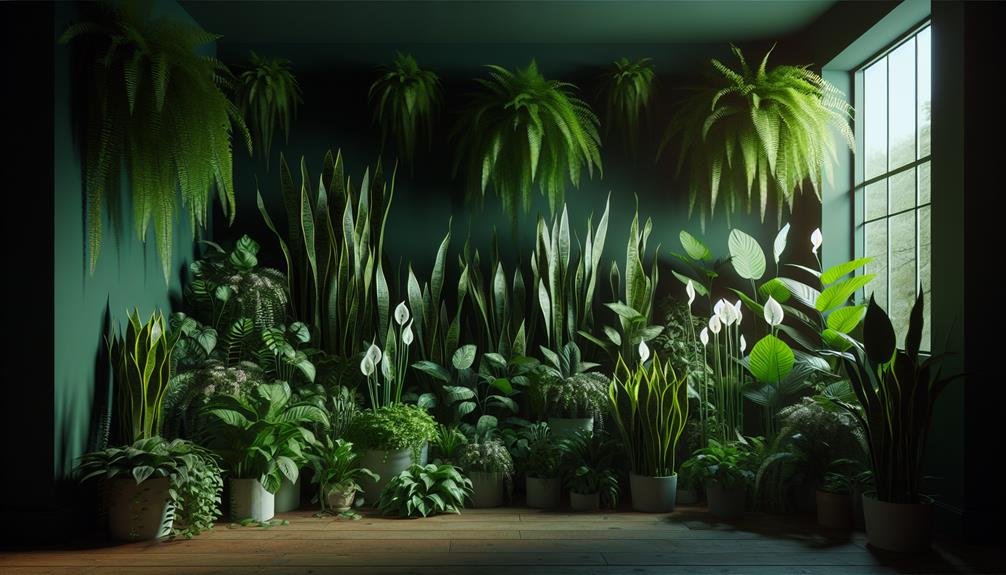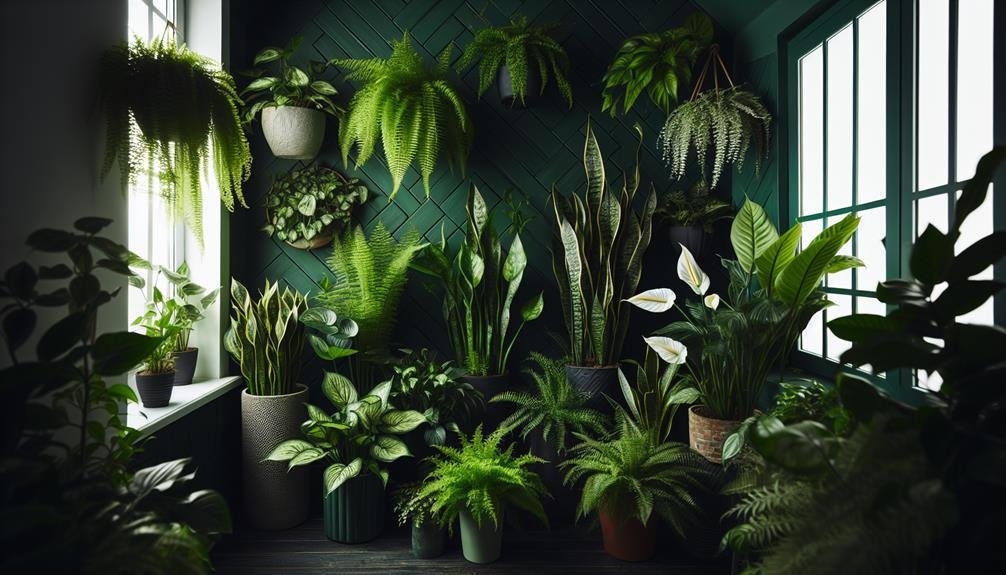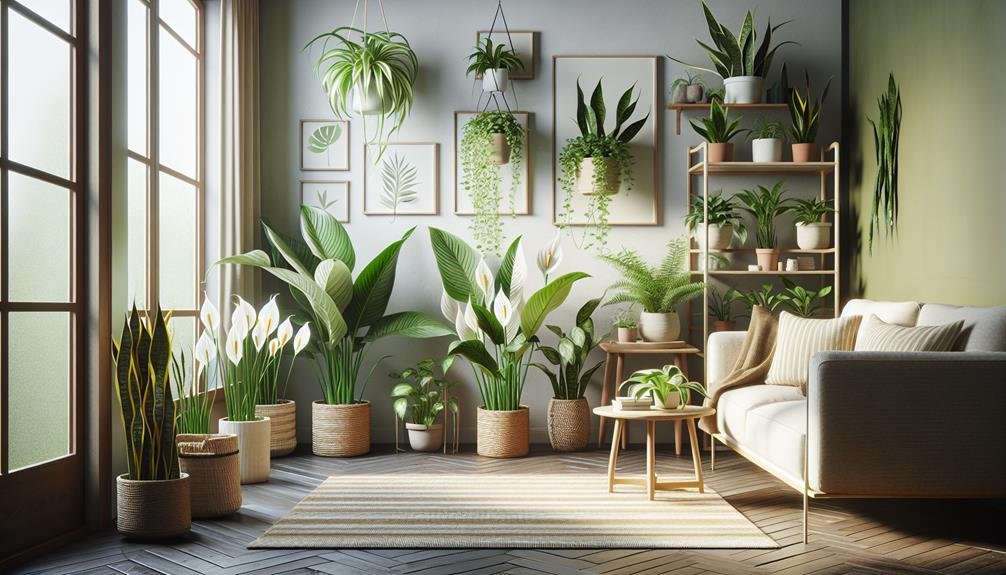
Did you know that certain indoor plants not only add greenery to your space but also help in purifying the air you breathe?
Curious which air-purifying plants are best suited for beginners? Understanding the basics of plant care and choosing the right varieties can make a significant difference in your indoor air quality.
Let's explore some commonly asked questions and get you started on your journey to a healthier and greener home environment.
Benefits of Air-Purifying Plants
When selecting air-purifying plants for your indoor space, understanding the benefits they offer can help you make informed choices. Not only do air-purifying plants add a touch of nature to your home decor, but they also play a crucial role in improving indoor air quality. These plants have the remarkable ability to remove harmful toxins like formaldehyde, benzene, and trichloroethylene from the air, which are commonly found in indoor environments. By absorbing these pollutants, air-purifying plants can help reduce the risk of respiratory issues and allergies, creating a healthier living environment for you.
Moreover, having air-purifying plants indoors can also enhance your overall well-being. Studies have shown that being around plants can help lower stress levels, boost mood, and increase productivity. The presence of greenery in your living or working space can promote relaxation and create a sense of tranquility. Additionally, caring for plants can be a rewarding experience, providing a sense of purpose and accomplishment as you nurture these natural air cleansers.
Best Placement for Indoor Plants
For optimal growth and air-purifying benefits, strategically place your indoor plants in areas with ample natural light and good air circulation. Most indoor plants thrive in bright, indirect light, so consider positioning them near windows or sources of natural light. Avoid placing them in dark corners or areas with limited sunlight, as this can hinder their growth.
Good air circulation is essential for indoor plants as it helps prevent issues like mold and mildew. Ensure there's enough space between plants for air to flow freely around them. Placing plants near open windows or using a fan to circulate air can also be beneficial.
Consider the specific light and humidity requirements of each plant when determining their placement. Some plants may prefer more sunlight, while others thrive in low light conditions. By carefully selecting the right location for your indoor plants, you can create a healthy and vibrant environment while maximizing their air-purifying benefits.
Common Mistakes to Avoid
To ensure the health and growth of your indoor plants, be mindful of these common mistakes to avoid.
Firstly, overwatering is a prevalent issue that can lead to root rot and eventually kill your plants. Make sure to check the soil moisture level before watering to prevent this problem.

Secondly, placing your plants in areas with insufficient or excessive light can hinder their growth. Different plants have varying light requirements, so it's crucial to research and provide the appropriate amount of light.
Additionally, neglecting regular cleaning of your plant's leaves can obstruct their ability to photosynthesize efficiently. Dust and debris can accumulate, blocking sunlight absorption.
Furthermore, using the wrong type of soil can impact your plant's health. Ensure you use well-draining soil specifically formulated for indoor plants to prevent waterlogging.
Lastly, overcrowding plants in a single pot can lead to competition for resources like water and nutrients. Give your plants adequate space to thrive and grow healthily.
Watering and Maintenance Tips
Ensure your indoor plants thrive by following these essential watering and maintenance tips. Proper watering is crucial for keeping your air-purifying plants healthy. Check the soil moisture regularly by sticking your finger about an inch into the soil; if it feels dry, it's time to water. Different plants have varying watering needs, so be sure to research the specific requirements of each plant you own. Overwatering can lead to root rot, while underwatering can cause wilting and stunted growth. Aim to water your plants in the morning to allow excess moisture to evaporate during the day.
In addition to watering, regular maintenance is key to the well-being of your indoor plants. Dust the leaves with a damp cloth to remove dust buildup, which can hinder photosynthesis. Trim off any yellowing or dead leaves to promote new growth and overall plant health. Keep an eye out for pests like spider mites or aphids, and address any infestations promptly to prevent damage to your plants. By staying on top of watering and maintenance tasks, you'll help your air-purifying plants thrive in your indoor space.
Troubleshooting Plant Issues
Addressing plant issues promptly is essential to maintaining the health and vitality of your indoor air-purifying plants. If you notice yellowing leaves, it could indicate overwatering or a lack of nutrients. Check the soil moisture level and adjust your watering schedule accordingly.
Wilting or drooping leaves may signal underwatering, so ensure your plant is receiving adequate water. Brown tips on the leaves can be a sign of low humidity; misting the plant or using a humidifier can help. Pests like spider mites or aphids can also affect your plant's health. Wipe the leaves with a damp cloth or use insecticidal soap to combat these pests.
If your plant isn't growing or looks leggy, it may need more light. Move it to a brighter location, but be mindful of direct sunlight, which can scorch the leaves. By addressing these issues promptly, you can help your indoor air-purifying plants thrive and continue to purify the air in your home.
Frequently Asked Questions
Can Air-Purifying Plants Help Reduce the Spread of Viruses and Bacteria Indoors?
Air-purifying plants can indeed help reduce the spread of viruses and bacteria indoors. They work by absorbing toxins and releasing oxygen, which can improve air quality.
Plants like aloe vera, spider plants, and peace lilies are known for their air-purifying properties. By incorporating these plants into your indoor environment, you can create a healthier space that may reduce the presence of harmful pathogens.
Do Air-Purifying Plants Attract Pests or Insects Into the Home?
Air-purifying plants may attract pests or insects into your home if not properly cared for. Overwatering can create a damp environment that attracts bugs.
To prevent this, ensure proper drainage for your plants and regularly inspect them for any signs of pests. A well-maintained indoor garden shouldn't be a major attraction for insects, but staying vigilant can help you nip any pest problems in the bud.
Are There Any Specific Air-Purifying Plants That Are Safe for Pets to Be Around?
When looking for air-purifying plants safe for pets, consider options like spider plants, Boston ferns, or African violets. These plants are non-toxic to cats and dogs and can help improve your indoor air quality.
Remember to check specific plant toxicity information to ensure the safety of your furry friends. Consider placing these plants in areas where pets can't easily access them to prevent any unwanted nibbling.
Can Air-Purifying Plants Help Improve Mental Health and Productivity in Indoor Spaces?
Yes, air-purifying plants can indeed boost mental health and productivity in indoor areas. Their ability to filter out toxins and release oxygen can create a more refreshing environment, leading to improved focus and mood.
By reducing pollutants and increasing oxygen levels, these plants can help you feel more energized and mentally clear, enhancing your overall well-being and productivity.
Are There Any Air-Purifying Plants That Are Particularly Effective at Removing Specific Toxins or Pollutants From the Air?
Certain air-purifying plants excel at removing specific toxins or pollutants from the air. Plants like spider plants, peace lilies, and snake plants are known to be particularly effective in clearing out common indoor pollutants like formaldehyde, benzene, and trichloroethylene.
Including these plants in your indoor space can help create a healthier environment by reducing the levels of these harmful substances in the air.
Conclusion
Overall, incorporating air-purifying plants into your indoor space is a simple and effective way to improve air quality and create a healthier environment.
By choosing the right plants, placing them in optimal locations, avoiding common mistakes, and providing proper care, you can enjoy the benefits of cleaner air and a more vibrant living space.
So go ahead and add some greenery to your home today for a breath of fresh air!