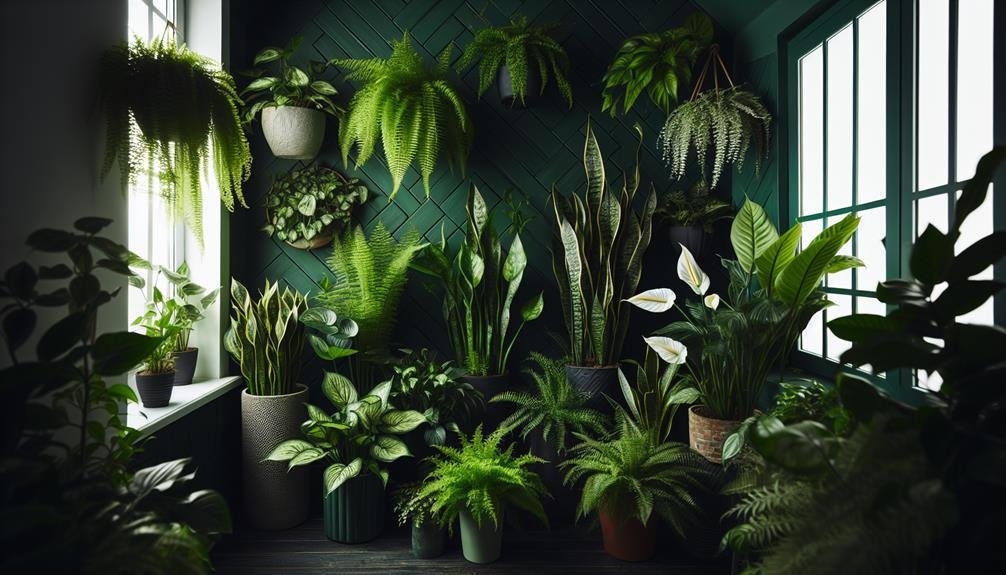
When it comes to enhancing your sleep quality, have you ever considered the impact houseplants can have on your bedroom environment? Discover how incorporating certain plants can be the key to unlocking a restful night's sleep. Explore the benefits of specific houseplants, their ideal placement, and essential care tips.
But what common mistakes should you be wary of when introducing greenery into your sleeping space? Stay tuned to unravel the mysteries behind the top houseplants recommended for improving sleep quality.
Benefits of Having Houseplants in Bedroom
Having houseplants in your bedroom can significantly improve the quality of your sleep. Plants release oxygen during the day and absorb carbon dioxide, a process that reverses at night, making them ideal companions for your bedroom. By increasing oxygen levels and reducing toxins in the air, houseplants create a healthier environment for you to rest in. The calming presence of greenery can also help lower your heart rate and reduce stress, promoting a sense of tranquility that's conducive to a good night's sleep.
Furthermore, houseplants can add a touch of nature to your bedroom, creating a soothing and relaxing atmosphere. This connection to the natural world has been shown to have positive effects on mental well-being, helping to alleviate anxiety and improve overall sleep quality. In addition, caring for houseplants can be a rewarding hobby that brings a sense of purpose and accomplishment, further contributing to your overall happiness and relaxation. So, consider bringing some greenery into your bedroom to enhance your sleep environment and reap the numerous benefits that houseplants can offer.
Best Houseplants for Sleep Quality
To enhance your sleep quality, consider incorporating specific houseplants known for their air-purifying and calming properties into your bedroom. Plants such as lavender are renowned for their soothing aroma, which can help relax your mind and body, promoting better sleep.
Aloe vera is another excellent option as it releases oxygen at night, improving the air quality in your bedroom and helping you breathe easier as you sleep. Additionally, snake plants are low-maintenance and can purify the air by removing toxins, creating a healthier environment for sleeping.
Peace lilies aren't only beautiful additions to your bedroom but also known for their air-purifying abilities, reducing airborne toxins that might affect your sleep. Lastly, jasmine plants not only provide a pleasant fragrance but also have been linked to reducing anxiety levels, potentially aiding in achieving a more restful night's sleep.
Ideal Placement for Bedroom Plants
Consider strategically positioning your bedroom plants to optimize their benefits for your sleep quality. Placing plants on your nightstand can be beneficial as some houseplants release oxygen at night, promoting better air quality. The Snake Plant, for example, is a great choice for this spot due to its ability to convert carbon dioxide into oxygen during the night.
If you have a windowsill in your bedroom, placing plants like Lavender or Jasmine there can provide a calming scent and natural aromatherapy benefits that may help you relax before bedtime. Hanging plants like English Ivy near your bed can help purify the air while adding a touch of greenery to your sleeping space.
Additionally, incorporating a small potted plant on a shelf or dresser can enhance the overall ambiance of your bedroom, creating a peaceful and soothing environment conducive to a good night's rest. By strategically placing your bedroom plants, you can maximize their sleep-enhancing properties and create a tranquil atmosphere for better rest.

Common Mistakes to Avoid
Positioning your bedroom plants incorrectly could inadvertently hinder their sleep-enhancing benefits. One common mistake to avoid is placing your plants too far away from your bed. The effectiveness of plants like lavender and jasmine in improving sleep quality is maximized when they're situated close enough for you to benefit from their calming scents.
Another mistake is overwatering your plants. While it's essential to keep your plant hydrated, overwatering can lead to root rot and eventually harm the plant. Ensure you follow the specific watering instructions for each type of plant to maintain a healthy growth environment.
Additionally, neglecting to provide enough sunlight is a crucial mistake. Plants need adequate light to photosynthesize and thrive. Make sure to place your plants in locations where they can receive the right amount of sunlight based on their individual needs.
Tips for Caring for Bedroom Plants
Maintain the health of your bedroom plants by following these essential care tips.
First, ensure your plants receive adequate sunlight. Most houseplants thrive in bright, indirect light, so place them near a window or where they can get enough natural light.
Secondly, water your plants appropriately. Overwatering can lead to root rot, while underwatering can cause wilting. Check the soil moisture before watering to prevent these issues.
Additionally, remember to dust your plant's leaves regularly. Dust can clog the plant's pores and hinder its ability to photosynthesize effectively.
Furthermore, consider fertilizing your plants every few weeks during the growing season to provide them with essential nutrients.
Lastly, inspect your plants regularly for any signs of pests or diseases. Early detection can help prevent the spread of infestations and keep your plants healthy.
Frequently Asked Questions
Can Houseplants Actually Improve Air Quality in the Bedroom?
Yes, houseplants can indeed improve air quality in the bedroom. They act as natural air purifiers by absorbing carbon dioxide and releasing oxygen.
This process helps to create a cleaner and fresher environment, which can positively impact your overall well-being, including your sleep quality.
Are There Any Specific Houseplants That Can Help With Reducing Snoring or Sleep Apnea?
If you're looking to reduce snoring or sleep apnea, certain houseplants can potentially help. Plants like aloe vera, lavender, and snake plants are known for their air-purifying and calming properties, which might aid in improving your sleep quality.
Consider placing these plants in your bedroom to see if they make a difference in your sleep patterns. Remember, everyone's experience may vary, but it's worth giving these plants a try for potential benefits.
How Do I Know if My Houseplant Is Getting Too Much or Too Little Sunlight in the Bedroom?
To know if your houseplant is getting enough sunlight in the bedroom, observe its leaves. If they're turning yellow or browning, it might be getting too much sun.
On the other hand, if the leaves are small or pale, it could be lacking sunlight. Adjust the plant's placement accordingly, moving it closer to or farther away from the window to ensure it gets the right amount of light for optimal growth.
Can Certain Houseplants Attract Pests or Insects Into the Bedroom?
Certain houseplants can attract pests or insects into your bedroom. To prevent this, regularly inspect your plants for any signs of pests or infestations.
Keep your plants healthy by not overwatering them and ensuring proper drainage. If you notice any pests, promptly remove them or consider using natural remedies or insecticidal soaps to keep your plants pest-free.
Are There Any Houseplants That Are Toxic to Pets and Should Be Avoided in the Bedroom?
When choosing houseplants for your bedroom, remember that some plants can be toxic to pets. It's important to research and avoid plants like lilies, aloe vera, and pothos that can be harmful if ingested by your furry friends.
Keep your pets safe by opting for pet-friendly alternatives like spider plants, Boston ferns, or palms that won't pose a risk to your beloved animals while still helping you improve your sleep quality.
Conclusion
So there you have it! By incorporating the right houseplants into your bedroom, you can improve your sleep quality and overall well-being.
Remember to choose plants known for their air-purifying and calming qualities, and place them in strategic locations for maximum benefit.
Avoid common mistakes like overwatering and ensure proper care for optimal results. With a little effort, you can create a peaceful and relaxing environment that promotes a restful night's sleep.
Happy gardening!