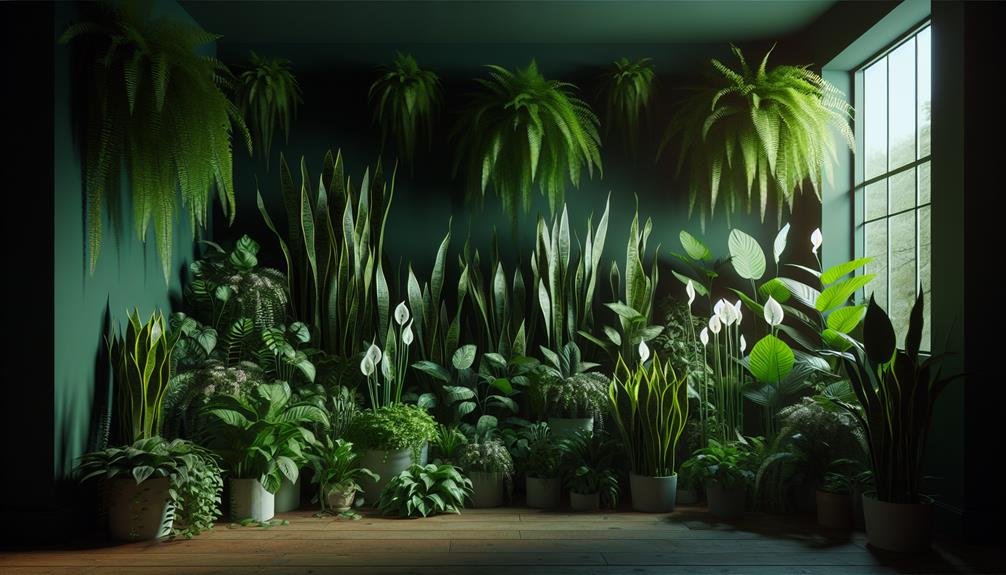
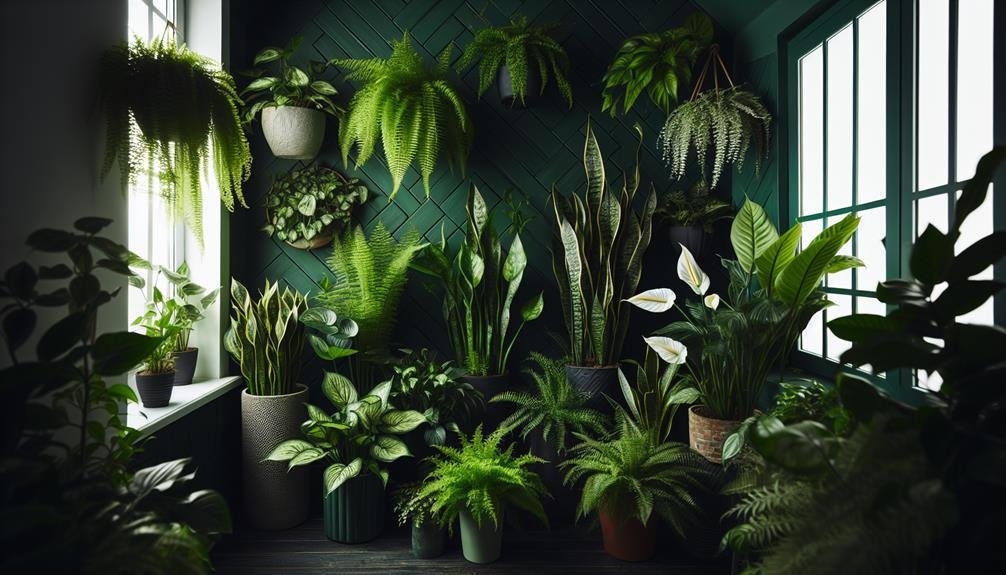
When it comes to caring for indoor succulents, think of yourself as a skilled gardener navigating a miniature desert landscape. Understanding the unique needs of these plants is key to their flourishing in your home.
From finding the right balance of light to mastering the art of watering, there are practical tips that can elevate your succulent game. But what about the lesser-known pitfalls that might threaten your succulent oasis?
Stay tuned for insights on how to troubleshoot common issues and ensure your succulents stay vibrant and healthy in your indoor spaces.
Ideal Lighting Conditions
When caring for indoor succulents, ensure they receive adequate sunlight to thrive. Succulents are sun-loving plants that require bright light to grow healthy and vibrant. Place them near a south-facing window where they can soak up plenty of sunlight throughout the day. If a south-facing window isn't available, east or west-facing windows can also provide sufficient light. Rotate your succulents occasionally to ensure all sides receive equal sunlight, preventing them from leaning towards the light source.
Keep an eye on your succulents for signs of inadequate lighting, such as stretching or leggy growth. This indicates that they aren't receiving enough sunlight and are reaching out in search of more. If you notice these signs, consider moving them to a brighter location or supplementing their light with a grow light. Remember that different succulent varieties have varying light requirements, so it's essential to research the specific needs of each plant in your care.
Watering Frequency and Tips
To ensure the health and vitality of your indoor succulents, understanding the proper watering frequency and tips is crucial. Succulents are known for their water-storing abilities, so it's essential not to overwater them. A general rule of thumb is to water your succulents when the top inch of soil feels dry to the touch. This usually translates to watering them every 2-3 weeks, but it can vary depending on factors like humidity, pot size, and the specific succulent species.
When watering your succulents, make sure to water the soil directly rather than the plant itself to prevent issues like rot. Ensure that the water drains properly by having drainage holes in your pots. During the growing season (usually spring and summer), you may need to water a bit more frequently, but always monitor the soil's moisture levels to prevent overwatering.
Suitable Soil Mixtures
For healthy indoor succulents, selecting the right soil mixtures is essential to provide the necessary nutrients and drainage they require. When choosing soil for your indoor succulents, opt for a well-draining mix to prevent waterlogged roots, which can lead to rot. A common mix includes equal parts of potting soil and perlite or coarse sand for improved drainage. This blend allows excess water to flow through the soil quickly, preventing moisture-related issues.
Another option is cactus soil, specifically formulated for succulents and cacti. These mixes often contain materials like sand, perlite, or pumice to aid in drainage while providing aeration to the roots. Alternatively, you can create your own succulent soil mix by combining potting soil with mineral grit such as poultry grit, crushed granite, or calcined clay.
Best Indoor Succulents for Beginners
If you're new to caring for indoor succulents, starting with low-maintenance varieties like aloe vera or Echeveria can help you gain confidence in your gardening skills. Aloe vera is a popular choice for beginners due to its hardiness and healing properties. This succulent requires minimal watering and thrives in bright, indirect light. Echeveria, with its rosette-shaped leaves, is another excellent option for those starting their succulent journey. It's known for its striking appearance and easy-going nature, making it forgiving of occasional lapses in care.

Snake plants, also known as Sansevieria, are ideal for beginners as they can tolerate low light conditions and infrequent watering. These succulents come in a variety of sizes and shapes, adding a touch of green to any indoor space. Haworthia is a small succulent that's perfect for beginners due to its compact size and low maintenance requirements. It prefers bright, indirect light and occasional watering, making it a hassle-free addition to your succulent collection.
Starting with these beginner-friendly indoor succulents will help you develop your green thumb and enjoy the beauty of these unique plants in your home.
Common Pests and Diseases to Watch For
Starting with beginner-friendly indoor succulents like aloe vera or Echeveria can help you identify and combat common pests and diseases that may affect your plants. One of the most common pests for indoor succulents is the mealybug, which appears as white, cottony masses on the plant. To get rid of mealybugs, simply wipe them off with a cotton swab dipped in rubbing alcohol.
Another pesky pest is the spider mite, which causes stippling on the leaves and fine webbing between them. To tackle spider mites, wash your plant with a mixture of water and mild soap.
Overwatering is a common issue that can lead to root rot in succulents. Ensure your succulents have well-draining soil and only water them when the top inch of soil is dry. If you notice mushy stems or blackened roots, it's a sign of root rot. Trim off the affected parts and repot your plant in fresh soil.
Frequently Asked Questions
How Can I Propagate Indoor Succulents Successfully?
To propagate indoor succulents successfully, start by choosing a healthy plant. Gently remove a leaf or stem cutting and let it dry out for a few days.
Plant the cutting in well-draining soil and place it in a sunny spot. Keep the soil lightly moist until roots form.
With proper care and patience, you'll soon have new succulents growing from your propagated cuttings.
Are There Any Specific Temperature Requirements for Indoor Succulents?
For indoor succulents, maintaining a consistent temperature is key to their well-being. Most succulents thrive in temperatures between 60-80°F (15-27°C).
Fluctuations in temperature can stress the plants, so try to keep them away from drafts or sudden temperature changes. Use a thermometer to monitor the environment and adjust as needed.
Can Indoor Succulents Thrive in a Humid Environment?
In a humid environment, indoor succulents can struggle to thrive due to excess moisture. Succulents prefer drier conditions to prevent root rot and fungal issues. It's important to find a balance by providing adequate airflow and not overwatering your plants.
Consider using well-draining soil and pots with drainage holes to help prevent waterlogged soil. Monitor your succulents closely to ensure they remain healthy in a humid indoor setting.
What Are Some Creative Ways to Display Indoor Succulents in My Home?
When considering how to display your indoor succulents, think about using hanging planters to add a touch of greenery to your space.
You can also place them in decorative pots on shelves or windowsills. Another creative idea is to arrange different types of succulents in a terrarium for a beautiful centerpiece.
Are There Any Special Considerations for Fertilizing Indoor Succulents?
When fertilizing indoor succulents, it's crucial to use a balanced, diluted fertilizer during their growing season. Make sure not to over-fertilize, as succulents are sensitive to excess nutrients.
A good rule of thumb is to feed them every few weeks using a half-strength fertilizer mix. Remember to water your succulents thoroughly before fertilizing to prevent root burn.
Following these simple steps will help keep your indoor succulents healthy and thriving.
Conclusion
Overall, caring for indoor succulents is simple and rewarding. By providing them with the right lighting, watering them sparingly, using well-draining soil, and keeping an eye out for pests and diseases, you can enjoy these low-maintenance plants in your home.
With a little bit of attention and care, your indoor succulents will thrive and add a touch of greenery to your living space. So go ahead and start your indoor succulent collection today!