Have you ever wondered which plants can thrive in the dim corners of your home or garden?
Understanding the difference between top indoor and outdoor houseplants for low-light environments can help you create a lush green oasis even in shaded areas.
Whether you're looking to add a touch of nature to your living room or revamp your outdoor space, knowing the best low-light plant options can make all the difference in transforming your surroundings.
Best Low-Light Indoor Houseplants
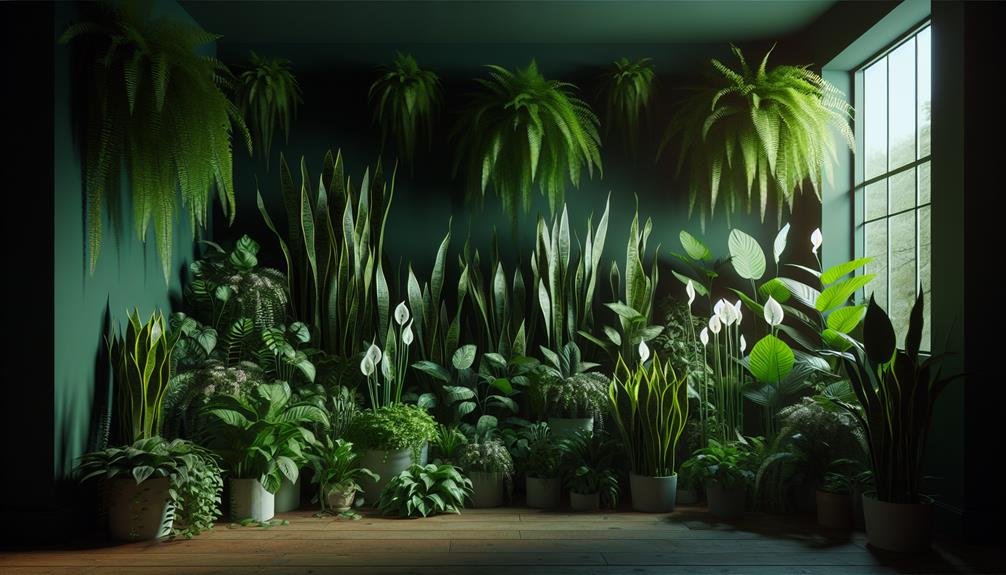
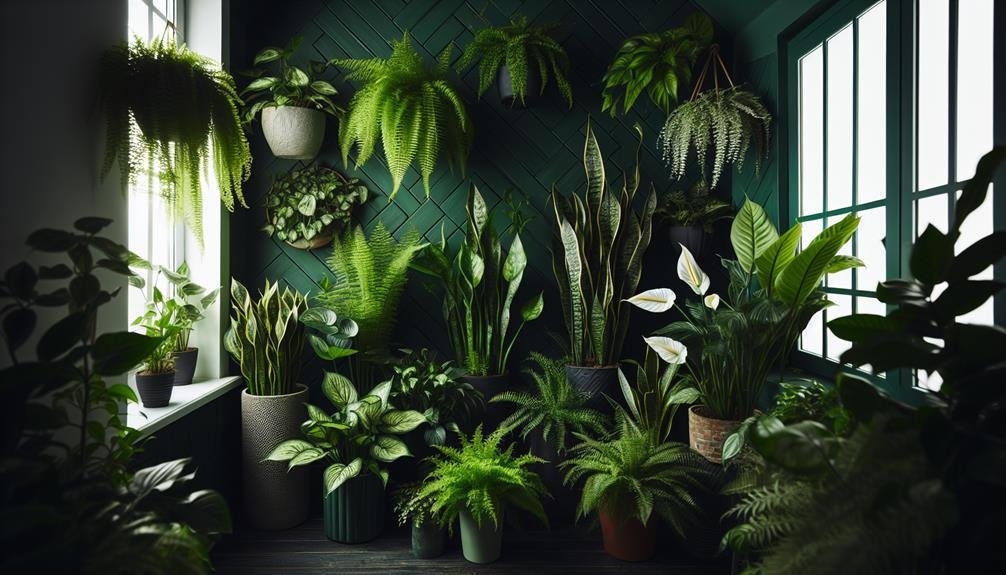
When choosing low-light indoor houseplants, consider plants that thrive in shady conditions. Look for options like the resilient snake plant, known for its ability to survive with minimal light and water. Another excellent choice is the peace lily, which adds a touch of elegance to any room while also purifying the air. If you prefer something with a bit more color, consider the African violet, a beautiful flowering plant that does well in low-light environments. For a unique touch, try the ZZ plant, a low-maintenance option that can thrive in dimly lit areas.
When caring for these low-light indoor plants, remember to water them sparingly as they typically require less water due to the reduced sunlight. Ensure the soil has proper drainage to prevent root rot, and consider misting the leaves occasionally to maintain humidity levels. Regularly dust the leaves to allow for better light absorption and keep an eye out for any signs of pests or disease. With the right selection and care, your low-light indoor houseplants can thrive and bring life to your home.
Ideal Low-Light Outdoor Plants
If you're looking to expand your greenery to outdoor spaces with limited sunlight, consider exploring ideal low-light outdoor plants that can thrive in shady conditions. When selecting plants for areas with low light outdoors, it's essential to choose varieties that can adapt to such environments.
Some excellent options for low-light outdoor plants include ferns, hostas, and coral bells. Ferns, with their lush foliage, are well-suited for shady spots and add a touch of elegance to your outdoor space.
Hostas are known for their hardiness and come in a variety of leaf colors and textures, making them a versatile choice for low-light conditions.
Coral bells, also known as Heuchera, offer colorful foliage that can brighten up shady areas, making them a popular choice for outdoor gardens. By incorporating these low-light outdoor plants into your garden, you can enjoy greenery and beauty even in areas with limited sunlight.
Top Indoor Foliage for Dim Spaces
Looking to brighten up dim spaces in your home with lush greenery? When it comes to indoor foliage for low-light areas, there are several great options to consider.

Snake plants, also known as mother-in-law's tongue, are hardy and can thrive in various light conditions, making them perfect for dim spots.
Another excellent choice is the pothos plant, with its trailing vines adding a touch of elegance to any room while requiring minimal light.
The peace lily is a beautiful flowering plant that can bloom even in low-light environments, adding a pop of color to your space.
For a unique touch, consider the cast-iron plant, known for its resilience in low-light settings and its dark, glossy leaves.
Lastly, the spider plant isn't only visually appealing with its arching leaves but is also low-maintenance and can tolerate low-light conditions well. These indoor foliage options will bring life to your dim spaces without requiring much sunlight.
Outdoor Varieties Thriving in Shade
Discover outdoor plant varieties that thrive in shade to enhance your garden with lush greenery even in darker corners.
When looking to add life to shaded areas, consider ferns such as the Japanese painted fern or the lady fern. These elegant plants bring a delicate touch to your outdoor space.
Hostas are another excellent choice for shade, offering a variety of leaf colors and textures to create visual interest.
For a splash of color, impatiens are a popular option that thrives in shaded garden beds or hanging baskets.
If you prefer flowering plants, the astilbe with its feathery plumes or the vibrant fuchsia can add a pop of color to your shade garden.
Additionally, don't overlook the classic beauty of hydrangeas, which bloom in shades of blue, pink, or white depending on the soil pH.
Low-Light Houseplants Comparison
When considering low-light houseplants, it's important to explore varieties that thrive indoors with minimal sunlight exposure.
Some popular low-light houseplants include the resilient snake plant, known for its ability to thrive in almost any conditions with minimal care.
The pothos plant, with its heart-shaped leaves cascading down in vines, is another excellent choice for low-light environments.
If you prefer flowering plants, the peace lily is a great option as it adds a touch of elegance with its white blooms and glossy leaves.
The spider plant isn't only visually appealing with its arching leaves but also helps in purifying the air, making it a practical choice for indoor spaces.
For a pop of color, consider the African violet, which blooms in various shades and can brighten up any corner of your home.
When selecting low-light houseplants, ensure they're suited to the specific conditions of your indoor space to promote healthy growth and longevity.
Frequently Asked Questions
Can Low-Light Houseplants Survive in a Windowless Room With Artificial Lighting?
Yes, low-light houseplants can survive in a windowless room with artificial lighting. While they may not thrive as much as they would with natural light, many low-light plants, such as snake plants or pothos, can adapt to artificial light sources.
Make sure to place the plants close to the light source and rotate them regularly to ensure even growth. Additionally, consider using full-spectrum bulbs for better plant health.
Do Low-Light Outdoor Plants Require Special Care During the Winter Months?
During the winter months, low-light outdoor plants may need some special care to thrive. Make sure to protect them from frost by bringing them indoors or covering them with a cloth.
Water them sparingly since they require less moisture in the colder months. Check the soil moisture regularly and adjust your watering schedule accordingly.
Providing adequate light and maintaining a consistent temperature will help your low-light outdoor plants survive the winter.
Are There Any Low-Light Houseplants That Are Safe for Pets to Be Around?
When selecting low-light houseplants that are safe for pets, consider options like spider plants, Boston ferns, or African violets. These plants are non-toxic to pets and add a touch of greenery to your living space.
Remember to place them in areas that are out of reach for curious pets to prevent any accidental snacking.
With the right choices, you can enjoy both your plants and pets without worries.
How Often Should I Rotate My Low-Light Houseplants to Ensure Even Growth?
To ensure even growth, rotate your low-light houseplants every 1-2 weeks. This helps all sides receive adequate light and prevents them from leaning towards the light source.
Remember to turn the plant a quarter or half turn each time so that all parts get their fair share of sunlight.
Regularly rotating your plants will promote balanced and healthy growth, making them thrive in your low-light environment.
Can Low-Light Outdoor Plants Be Used as Ground Cover in Shaded Areas of the Garden?
Low-light outdoor plants can make excellent ground cover in shaded garden areas. They thrive in areas with less sunlight and can add a lush, green carpet to your landscape.
Conclusion
Overall, when choosing houseplants for low-light conditions, it's important to consider both indoor and outdoor options.
Indoor plants like snake plants and pothos are great for dim spaces, while outdoor plants like hostas and ferns thrive in shade.
By incorporating a mix of indoor and outdoor low-light plants, you can create a beautiful and vibrant environment in your home or garden, even in areas with limited natural light.