Did you know that up to 90% of houseplants may be affected by pests at some point?
Dealing with pesky invaders can be frustrating, but fear not, as there are effective methods to manage these unwelcome guests.
From natural pest control solutions to beneficial insects and DIY repellents, there are various strategies you can employ to protect your beloved indoor greenery.
Stick around to discover the top methods for keeping your houseplants healthy and pest-free.
Identifying Common Houseplant Pests
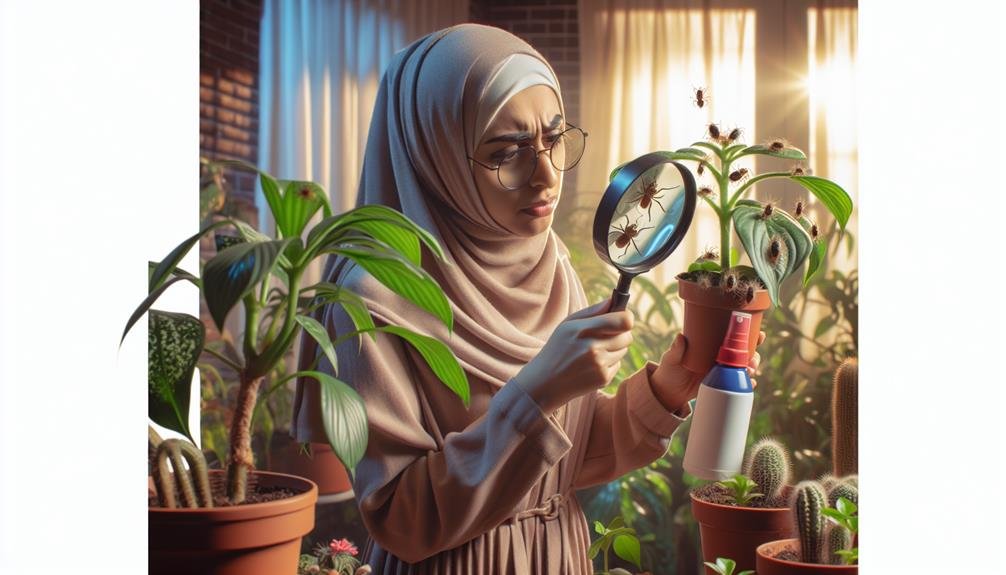
To identify common houseplant pests, examine the leaves and stems closely for any signs of unusual spots or webbing. These visible indicators often point towards the presence of pests like spider mites, aphids, or mealybugs. Spider mites are tiny arachnids that leave fine webbing on plants and cause stippling on leaves. Aphids, on the other hand, are small insects that cluster on the underside of leaves, sucking out plant juices and causing leaf curling. Mealybugs appear as white, cottony masses along the stems and leaf joints, feeding on plant sap and weakening the overall health of the plant.
Another common pest to watch out for is scale insects. These pests often resemble small bumps on plant surfaces and can be challenging to spot due to their protective shells. Scale insects feed on plant fluids, causing yellowing leaves and stunted growth. Regularly inspecting your houseplants for these common pests can help you catch infestations early and take appropriate measures to protect your green friends.
Implementing Natural Pest Control Methods
Consider utilizing homemade insecticidal soap or neem oil as effective natural pest control methods for managing houseplant pests.
Insecticidal soap works by suffocating pests like aphids, spider mites, and whiteflies on contact. To create your homemade insecticidal soap, mix a few drops of mild liquid soap with water in a spray bottle, then apply it to the affected plants.
Neem oil, derived from the seeds of the neem tree, acts as a repellent, antifeedant, and disruptor of insect growth and reproduction. Dilute neem oil with water and a small amount of mild liquid soap, then spray it on your houseplants to control pests like mealybugs, scale, and thrips.
These natural solutions are safe for your plants and the environment, making them ideal choices for pest control. Remember to test any homemade spray on a small area of your plant first to ensure it doesn't cause any damage before applying it more broadly.

Using DIY Pest Repellents
Prevent pests from infesting your houseplants by creating your own DIY pest repellents using common household ingredients. One effective repellent is a mixture of water and dish soap sprayed onto plants to deter pests like aphids and spider mites. Another option is a solution of neem oil and water which can help combat a variety of pests while being gentle on your plants. Additionally, a garlic and peppermint spray can act as a natural deterrent for insects without harming your houseplants.
To create a simple dish soap spray, mix 1 teaspoon of mild dish soap with 1 liter of water in a spray bottle. Shake well and spray the solution on your plants every few days, especially the undersides of leaves where pests like to hide. For a neem oil mixture, combine 2 teaspoons of neem oil with 1 liter of water and spray it on your plants weekly. Lastly, for a garlic and peppermint spray, blend 2 cloves of garlic, 1 teaspoon of peppermint essential oil, and 1 liter of water, then strain and spray on your plants every 7-10 days. These DIY pest repellents can help keep your houseplants healthy and pest-free.
Introducing Beneficial Insects
When managing houseplant pests, a beneficial approach involves introducing helpful insects to control and eliminate harmful pests. These beneficial insects act as natural predators, preying on common pests like aphids, spider mites, and mealybugs that can wreak havoc on your beloved plants. Ladybugs, for example, are known to devour aphids, while lacewings feast on spider mites.
Introducing beneficial insects to your indoor garden is a sustainable and eco-friendly way to maintain a healthy plant environment without resorting to harsh chemicals. You can purchase these beneficial insects from local nurseries or garden centers, ensuring that they're compatible with the specific pests troubling your plants.
Before releasing the beneficial insects into your home, make sure to provide them with a suitable habitat and food source. This will encourage them to stay and continue their pest control duties effectively. By incorporating beneficial insects into your houseplant care routine, you can strike a balance in your indoor ecosystem, keeping pests at bay and promoting thriving, pest-free plants.
Maintaining Proper Plant Care Practices
To ensure the health and vitality of your indoor plants, maintaining proper plant care practices is key. Begin by placing your plants in the appropriate spot according to their light requirements. Check the specific needs of each plant to ensure they're getting adequate sunlight or shade.
Overwatering can be detrimental, so make sure to water your plants only when the top inch of soil is dry. Remember, each plant may have different watering needs. Additionally, regular pruning and grooming can help prevent pest infestations by removing any dead or decaying plant material where pests often hide.
Fertilize your plants as needed, following the instructions to avoid overfeeding. Lastly, inspect your plants regularly for any signs of pests or diseases. Early detection can help prevent issues from escalating and becoming harder to manage. By following these simple care practices, you can promote strong, healthy plants that are more resilient to pests.
Frequently Asked Questions
Can Houseplant Pests Spread to Other Plants in My Home?
Yes, houseplant pests can spread to other plants in your home. These pests can easily move from one plant to another, especially if they're in close proximity.
It's essential to keep a close eye on all your plants and take proactive measures to prevent the spread of pests. Regularly inspecting and treating your plants will help keep them healthy and pest-free.
How Can I Prevent Pests From Being Introduced to My Houseplants in the First Place?
To prevent pests from invading your houseplants, start by regularly inspecting new plants before bringing them home. Check for any signs of bugs or diseases. Quarantine new plants for a few weeks to monitor for any issues.
Also, avoid overcrowding plants and ensure good air circulation. Finally, keep your plants healthy by providing proper watering, light, and nutrients to help them resist pests.
Are There Specific Houseplants That Are More Prone to Pest Infestations?
Certain houseplants are more prone to pest infestations due to factors like humidity levels and growing conditions. Plants like ferns, orchids, and succulents are often targeted by pests. By understanding the specific needs of each plant, you can better prevent and manage pest issues.
Regularly inspecting your houseplants and providing proper care can help reduce the risk of infestations. Remember to always be proactive in protecting your plants from pests.
How Do Environmental Factors Such as Humidity and Temperature Affect Pest Infestations in Houseplants?
In your houseplants, environmental factors like humidity and temperature can greatly impact pest infestations. Pests thrive in warm and humid conditions, so keeping your home well-ventilated and not too moist can help prevent infestations.
Regularly monitoring and adjusting these factors can create a less favorable environment for pests to thrive, ultimately protecting your plants. By being mindful of these conditions, you can reduce the likelihood of pest issues in your houseplants.
Can Over-Fertilizing or Under-Watering My Plants Attract Pests?
Over-fertilizing or under-watering your plants can indeed attract pests. When plants receive too much fertilizer, they become more susceptible to pest infestations.
Similarly, if you underwater your plants, they may become stressed and weak, making them an easy target for pests.
Finding the right balance in fertilizing and watering your plants is crucial in preventing pest issues and maintaining their health.
Conclusion
In conclusion, by identifying common houseplant pests, implementing natural pest control methods, using DIY repellents, introducing beneficial insects, and maintaining proper plant care practices, you can effectively manage and prevent pests in your home.
Remember to regularly inspect your plants, stay proactive in pest prevention, and provide a healthy environment for your houseplants to thrive.
With these methods, you can keep your plants healthy and pest-free for a greener home.