Did you know that using natural fertilizers can lead to a 20% increase in plant growth compared to synthetic options?
Imagine your houseplants thriving with just a little help from the natural world around you.
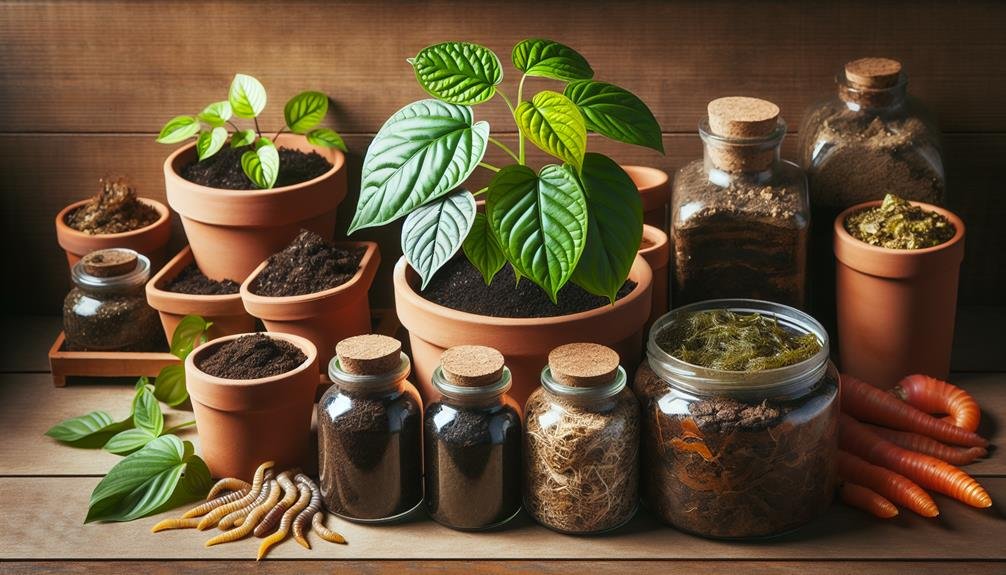
Compost, coffee grounds, eggshells, and banana peels are all household items that can work wonders for your indoor garden.
Discover the secrets behind these top natural fertilizers and watch your plants flourish like never before.
Benefits of Natural Fertilizers
Discover the enhanced growth and vitality that natural fertilizers provide to your houseplants. By opting for natural fertilizers, you're choosing a more sustainable and environmentally friendly option for nourishing your indoor greenery. These fertilizers are rich in essential nutrients such as nitrogen, phosphorus, and potassium, which are crucial for the healthy development of your plants.
Unlike synthetic fertilizers that may lead to a build-up of salts in the soil, natural fertilizers promote a balanced and nutrient-rich environment that supports robust plant growth. Your houseplants will benefit from the slow-release nature of organic fertilizers, ensuring a steady supply of nutrients over time without the risk of nutrient burn.
Additionally, natural fertilizers improve the soil structure, enhancing its ability to retain moisture and nutrients essential for plant growth. This means that your plants will have access to the necessary resources they need to flourish, resulting in lusher foliage, vibrant blooms, and overall healthier houseplants. Embrace the natural approach and watch your indoor garden thrive like never before.
Compost: A Plant's Best Friend
When it comes to nourishing your houseplants, nothing beats the benefits of compost – a plant's best friend. Compost is a nutrient-rich soil amendment that provides plants with essential minerals, improves soil structure, and enhances water retention. By adding compost to your houseplants, you're introducing a natural and sustainable way to boost their growth and overall health.
One of the key advantages of using compost is its ability to slowly release nutrients over time, ensuring a steady and consistent food source for your plants. Additionally, compost contains beneficial microorganisms that promote soil health and protect plants from diseases. This natural fertilizer also helps to balance pH levels in the soil, creating optimal conditions for plant growth.
To incorporate compost into your plant care routine, simply mix it into the soil or use it as a top dressing. Remember to use mature compost to avoid burning your plants with excess nutrients. By making compost a regular part of your plant care regimen, you can enjoy vibrant and thriving houseplants.

Nourishing With Coffee Grounds
Nourish your houseplants with coffee grounds to provide a natural and beneficial boost to their growth and health. Coffee grounds are a fantastic source of nitrogen, which is essential for plant growth. They also contain other nutrients like potassium, phosphorus, and magnesium that can enrich the soil and help your plants thrive.
To use coffee grounds as a natural fertilizer, simply sprinkle them on top of the soil around your plants. The grounds will slowly release nutrients as they break down, providing a continuous source of food for your houseplants. Additionally, coffee grounds can help improve soil structure, aeration, and water retention, creating a healthier environment for your plants' roots to grow.
When using coffee grounds, make sure not to overdo it, as excessive amounts can make the soil too acidic. It's best to mix the grounds into the soil or compost them to avoid this issue. By incorporating coffee grounds into your plant care routine, you can support your houseplants in flourishing and maintaining their vibrancy.
Eggshells for Plant Growth
Enhance your houseplants' growth and vitality by utilizing eggshells as a natural and beneficial source of nutrients. Eggshells are a fantastic way to provide calcium to your plants, which is essential for cell formation, root development, and overall plant structure.
To use eggshells as a natural fertilizer, start by rinsing and drying them thoroughly. Once they're dry, crush the eggshells into small pieces using a mortar and pestle or a blender. Sprinkle the crushed eggshells on top of the soil around your plants. As the eggshells break down over time, they'll release calcium into the soil, promoting healthy growth.
In addition to calcium, eggshells also contain other essential nutrients like magnesium and potassium, which can benefit your plants. These nutrients help in chlorophyll production, enzyme activation, and overall nutrient absorption.
Boosting Plants With Banana Peels
By incorporating banana peels into your plant care routine, you can provide natural nourishment and promote growth. Banana peels are rich in nutrients like potassium, phosphorus, and calcium, which are essential for healthy plant development. To boost your plants with banana peels, simply cut the peels into small pieces and bury them near the root system. As the peels break down, they release nutrients into the soil, acting as a slow-release fertilizer. This natural fertilizer not only provides essential minerals but also improves soil structure and promotes microbial activity, benefiting your plants in the long run.
In addition to being a cost-effective and eco-friendly fertilizer option, banana peels can help repel pests due to their natural oils. They also aid in water retention, ensuring your plants stay hydrated. Remember to monitor your plant's reaction to the banana peels; if you notice any negative effects like mold growth, remove the peels immediately. With this simple addition to your plant care routine, you can enhance the health and vitality of your houseplants.
Frequently Asked Questions
Can Natural Fertilizers Attract Pests or Insects to Houseplants?
Yes, natural fertilizers can attract pests or insects to houseplants if not used properly. Over-fertilizing or using organic materials like manure can draw unwanted critters.
To avoid this, follow recommended dosages and opt for well-composted natural fertilizers. Remember, a balanced approach is key to keeping your houseplants healthy without inviting pests.
Be mindful of what you feed your plants to prevent any infestations.
Are There Any Specific Houseplants That Should Not Be Fertilized With Natural Fertilizers?
Avoid fertilizing succulents like cacti and snake plants with natural fertilizers. These plants thrive in nutrient-poor soil and excessive fertilization can harm them.
Stick to a light fertilization routine or use specialized succulent fertilizers to keep these plants healthy. Over-fertilizing can lead to root burn and damage, so it's best to err on the side of caution with these particular houseplants.
How Often Should Natural Fertilizers Be Applied to Houseplants?
To keep your houseplants healthy, apply natural fertilizers every 4-6 weeks during the growing season.
Monitor your plants' response to fertilizer; adjust frequency based on their needs.
Over-fertilizing can harm your plants, so follow the instructions on the fertilizer package.
Remember, consistency is key for vibrant, thriving houseplants.
Keep up the good work in nurturing your indoor garden!
Can Natural Fertilizers Cause Any Harm to the Soil or Affect the Ph Levels?
Natural fertilizers can potentially harm the soil or affect pH levels if used incorrectly. It's crucial to follow guidelines for application and dosage to prevent these issues.
Overusing fertilizers can lead to nutrient imbalances and soil acidity problems. Be mindful of the type of fertilizer you choose and how it may impact your plant's environment.
Regularly testing the pH levels of your soil can help you adjust your fertilizing routine accordingly.
Are There Any Specific Precautions to Take When Using Natural Fertilizers for Houseplants?
When using natural fertilizers for houseplants, always read the instructions on the packaging. Check the recommended frequency of application to avoid over-fertilizing.
Be mindful of the plant's specific needs and adjust the dosage accordingly. Water the plants thoroughly after fertilizing to prevent root burn.
Lastly, store the fertilizers in a cool, dry place away from direct sunlight to maintain their effectiveness.
Conclusion
So there you have it – natural fertilizers are a great way to keep your houseplants thriving and healthy.
Compost, coffee grounds, eggshells, and banana peels are all excellent options for providing essential nutrients to your plants.
By incorporating these organic fertilizers into your plant care routine, you can help your green friends grow strong and vibrant.
Give them a try and watch your houseplants flourish!