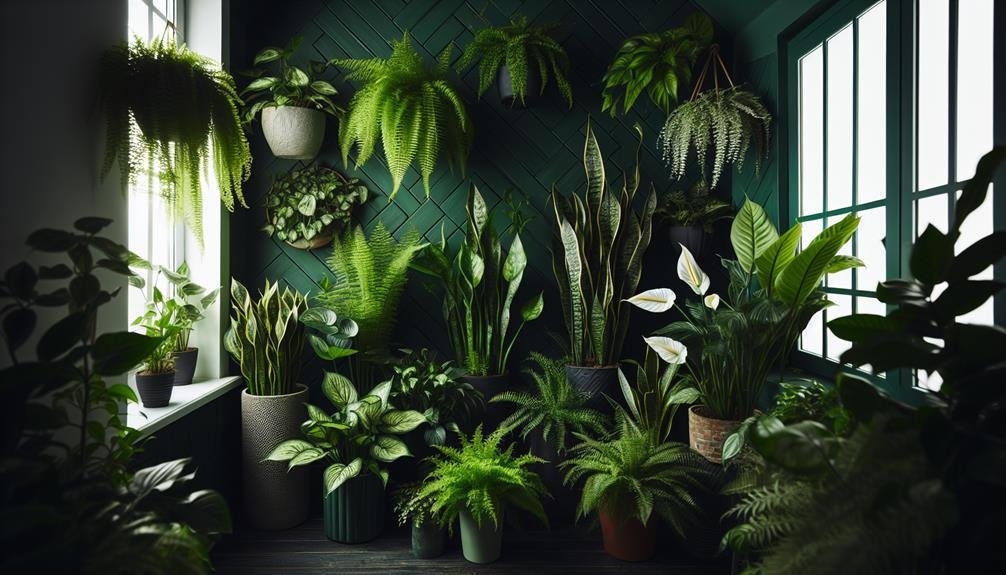
Have you ever wondered if organic fertilizers truly make a difference in the health of your houseplants? Perhaps you've heard about the benefits but aren't quite sure where to start.
Well, the world of organic fertilizers is vast, with various options to explore. From nutrient-rich compost to specially formulated plant food, each type offers unique advantages for your indoor greenery.
Understanding the nuances of organic fertilizers can unlock the secret to thriving houseplants, and we'll guide you through the top choices that can help your green companions flourish.
Benefits of Organic Fertilizers
Organic fertilizers provide essential nutrients to your houseplants in a natural and sustainable way. Unlike synthetic fertilizers, organic options release nutrients slowly, preventing the risk of over-fertilization and nutrient leaching. This gradual release ensures that your plants receive a consistent and balanced diet, promoting healthy growth without the risk of nutrient spikes that can harm your plants.
Furthermore, organic fertilizers improve soil structure by promoting beneficial microbial activity. These microbes break down organic matter in the soil, releasing additional nutrients for your plants to absorb. This process enhances soil aeration and water retention, creating a thriving environment for your houseplants.
In addition to nourishing your plants and improving soil quality, organic fertilizers also support long-term plant health. By feeding the soil as well as the plant, organic fertilizers foster a holistic approach to plant care, resulting in stronger, more resilient houseplants that are better equipped to resist pests and diseases. Embracing organic fertilizers isn't only beneficial for your plants but also for the environment, promoting sustainability and reducing chemical runoff in our ecosystems.
Types of Organic Fertilizers
When selecting fertilizers for your houseplants, it's important to consider different types that cater to specific plant needs and growth stages. Organic fertilizers come in various forms, each offering unique benefits to your plants.
One common type is compost, which enriches the soil with essential nutrients and improves its structure. Another popular organic fertilizer is manure, providing a rich source of nitrogen, phosphorus, and potassium.
Fish emulsion is beneficial for quick nutrient absorption, making it ideal for plants that need a boost. Additionally, seaweed extract is packed with micronutrients and growth hormones that promote healthy plant development.
For acid-loving plants like ferns and orchids, organic fertilizers derived from coffee grounds or tea can be beneficial due to their acidic nature. Each type of organic fertilizer caters to different plant requirements, so it's essential to choose the right one based on your houseplants' specific needs to ensure they thrive and remain healthy.

Application Tips for Houseplants
Consider applying organic fertilizers to your houseplants using the following tips to ensure optimal growth and health.
First, always follow the instructions on the fertilizer packaging to avoid overfeeding, which can harm your plants. It's crucial to dilute the fertilizer properly to prevent burning the roots.
When applying liquid fertilizers, water your plants first to avoid shock from the concentrated solution. For granular fertilizers, gently work them into the soil around the plant, being careful not to disturb the roots.
Remember to fertilize your houseplants during their active growing season, typically in spring and summer, and reduce frequency during fall and winter when growth slows down.
Regularly check your plants for any signs of nutrient deficiencies, such as yellowing leaves, and adjust your fertilizing routine accordingly.
Organic Fertilizer DIY Recipes
To create effective DIY organic fertilizers for your houseplants, gather simple ingredients commonly found in your kitchen or garden. One easy recipe involves mixing used coffee grounds with water to create a nutrient-rich liquid fertilizer. Simply dilute the mixture with water and pour it onto the soil of your plants.
Another option is to save eggshells, crush them into small pieces, and sprinkle them on top of the soil. Eggshells are a great source of calcium, which can benefit your houseplants.
Banana peels can also be used by cutting them into small pieces and burying them in the soil. As they decompose, they release potassium, which is essential for plant growth.
Additionally, you can create a compost tea by soaking compost in water for a few days and then using the strained liquid as a fertilizer. These DIY organic fertilizers are cost-effective and environmentally friendly ways to nourish your houseplants.
Organic Vs. Synthetic Fertilizers
Comparing organic and synthetic fertilizers reveals distinct differences in their composition and effects on plant growth. Organic fertilizers are derived from natural sources like compost, manure, or bone meal. They contain a variety of nutrients that are released slowly as they break down, providing a more balanced and sustainable nutrient supply for your plants.
In contrast, synthetic fertilizers are manufactured using chemical compounds. They typically deliver a high concentration of specific nutrients that are immediately available to plants but can lead to nutrient imbalances and soil degradation over time.
Organic fertilizers promote long-term soil health by improving its structure, moisture retention, and beneficial microbial activity. They support overall plant growth and resilience without the risk of chemical build-up. On the other hand, synthetic fertilizers offer quick results but may hinder the development of a robust root system and natural nutrient uptake mechanisms in plants.
Making an informed choice between organic and synthetic fertilizers depends on your gardening goals, environmental concerns, and long-term plant care strategies.
Frequently Asked Questions
Can Organic Fertilizers Attract Pests or Insects to Houseplants?
Organic fertilizers can attract pests or insects to houseplants if not used properly. Over-fertilizing or leaving excess fertilizer on the soil surface can invite unwanted guests.
To prevent this, ensure you follow recommended application rates and mix the fertilizer well into the soil. Regularly inspect your plants for signs of pests and address any issues promptly to keep your houseplants healthy and pest-free.
Are There Any Specific Organic Fertilizers That Work Best for Specific Types of Houseplants?
When choosing organic fertilizers for specific types of houseplants, consider their individual needs. Some plants thrive with a balanced fertilizer, while others prefer a specific nutrient blend. Research your plant species and find a suitable fertilizer that matches its requirements.
How Often Should Organic Fertilizers Be Applied to Houseplants for Optimal Growth?
For optimal growth, apply organic fertilizers to your houseplants every 4-6 weeks during the growing season. Make sure to follow the instructions on the fertilizer packaging for the correct dosage. Over-fertilizing can harm your plants, so it's important to stick to the recommended schedule.
Keep an eye on your plants' growth and adjust the frequency if needed. Remember, a balanced feeding routine is key to keeping your houseplants healthy and thriving.
Can Organic Fertilizers Be Harmful to Pets if Ingested?
Organic fertilizers can be harmful to pets if ingested, causing stomach upset or more severe reactions. It's crucial to keep your furry friends away from areas where you've applied these fertilizers.
Consider using pet-friendly alternatives to ensure the safety of your animals. If accidental ingestion occurs, contact your veterinarian immediately for guidance on how to handle the situation and ensure your pet's well-being.
Are There Any Natural Alternatives to Organic Fertilizers for Houseplants?
If you're looking for natural alternatives to organic fertilizers for houseplants, there are a few options you can consider. Compost tea, worm castings, and liquid kelp extract are all great choices for providing essential nutrients to your plants in a natural way.
These alternatives can help support the health and growth of your houseplants without the use of synthetic chemicals. Consider trying out these natural options for a more eco-friendly approach to plant care.
Conclusion
So there you have it – organic fertilizers are a great choice for keeping your houseplants healthy and thriving.
With benefits like improved soil health, reduced chemical exposure, and sustainable practices, it's clear that organic fertilizers are the way to go.
Whether you choose to purchase a pre-made organic fertilizer or make your own DIY recipe, your houseplants will thank you for choosing a natural and eco-friendly option.
Happy gardening!