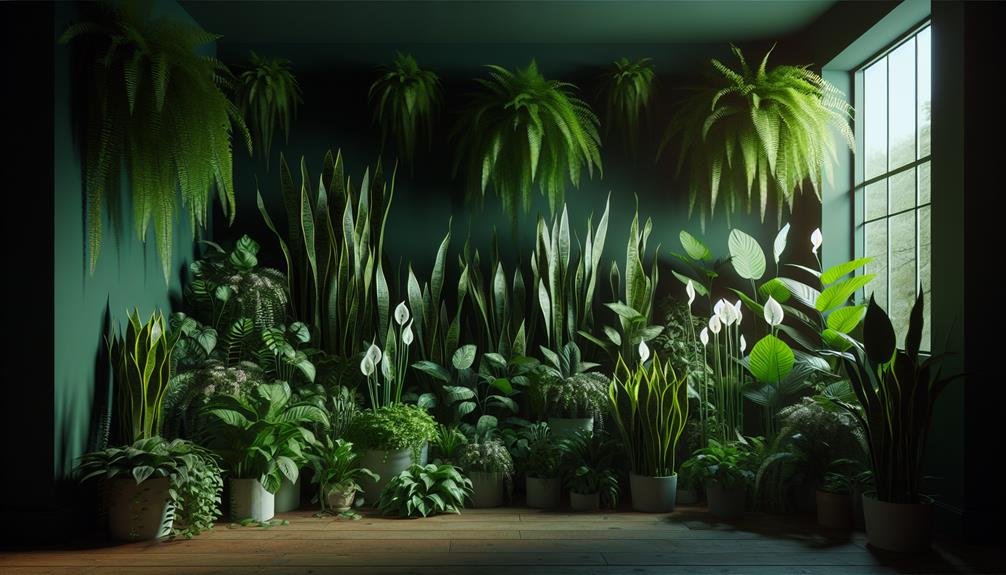
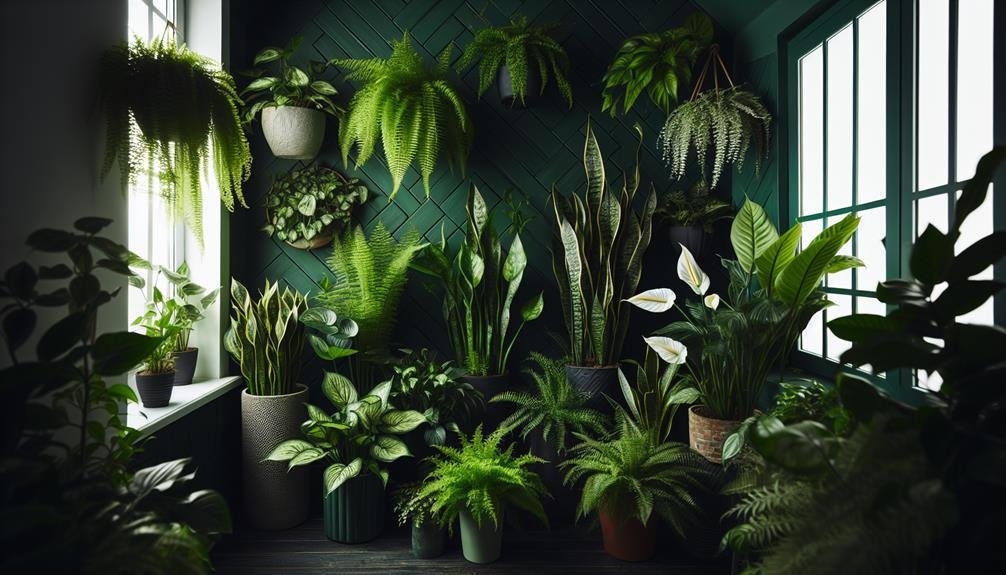
In the realm of gardening, finding plants that thrive in the darkest corners can seem like an impossible quest, yet there are hidden gems waiting to transform your shady spots into lush havens.
Imagine discovering a world of botanical wonders that not only survive but flourish in low-light conditions. As you navigate the nuances of selecting the perfect shade-loving plants, uncover how these resilient beauties can add life and vibrancy to your dimly lit spaces.
Get ready to explore a diverse range of options that will elevate your greenery game in unexpected ways.
Benefits of Shade-Loving Plants
Shade-loving plants provide a natural solution for adding greenery to dimly lit areas in your home or garden. These plants thrive in low-light conditions, making them perfect for spaces where direct sunlight is limited. By incorporating shade-loving plants into your decor, you can bring life to areas that may have previously been overlooked.
One of the key benefits of shade-loving plants is their ability to purify the air. Just like their sun-loving counterparts, these plants are excellent at absorbing carbon dioxide and releasing oxygen, helping to improve the air quality in your home. Additionally, having plants indoors has been shown to reduce stress and increase productivity, creating a more relaxing and inviting environment.
Another advantage of shade-loving plants is their low maintenance requirements. Many of these plants are resilient and can thrive with minimal care, making them perfect for busy individuals or those new to gardening. With the right selection of shade-loving plants, you can enjoy a vibrant and lush space even in the darkest corners of your home.
Best Plant Options for Dark Spaces
For dimly lit areas in your home or garden, consider these top plant options that thrive in low-light conditions.
- Snake Plant (Sansevieria): Known for its resilience and air-purifying qualities, the snake plant can survive in low light and requires minimal maintenance.
- ZZ Plant (Zamioculcas Zamiifolia): This plant is perfect for dark corners as it can thrive with very little light and infrequent watering.
- Peace Lily (Spathiphyllum): With its elegant white blooms and ability to grow in low light, the peace lily adds a touch of beauty to any dim space.
- Cast Iron Plant (Aspidistra): True to its name, this plant is incredibly tough and can withstand even the darkest of conditions.
- Parlor Palm (Chamaedorea Elegans): Ideal for indoor spaces, the parlor palm is a great low-light option that adds a tropical touch to your surroundings.
- Chinese Evergreen (Aglaonema): With its striking foliage and ability to thrive in low light, the Chinese evergreen is a popular choice for dark spaces.
Care Tips for Shade-Loving Plants
To ensure your shade-loving plants thrive in low-light conditions, it's important to implement proper care techniques that cater to their specific needs. When caring for these plants, remember that they require less sunlight but still need attention to flourish.
Watering is crucial; ensure the soil remains consistently moist but not waterlogged. Overwatering can lead to root rot, so it's essential to strike a balance.
Fertilize your shade-loving plants regularly during the growing season to provide them with the necessary nutrients they may not receive from sunlight.

Pruning is also vital to maintain the health and shape of your plants. Remove any dead or yellowing leaves to encourage new growth.
Keep an eye out for pests that may thrive in shaded areas and treat them promptly to prevent infestations.
Lastly, rotating your plants occasionally will help promote even growth as they reach for the light. By following these care tips, your shade-loving plants will thrive in their dark corner oasis.
Design Ideas for Dark Corners
Enhance the ambiance of dimly lit spaces with creative design solutions for dark corners. Utilize strategic lighting to brighten up these areas. Place small, focused lights or LED strips to add warmth and brightness without overwhelming the space. Consider using wall sconces or floor lamps with adjustable heads to direct light where it's needed most. Reflective surfaces like mirrors or metallic accents can help bounce light around the room, making dark corners feel more inviting.
Incorporate light-colored furnishings and decor to contrast with the dark corners. Opt for light-colored furniture, such as cream or pale grey sofas, to create a sense of space and airiness in the room. Add pops of color with bright throw pillows or artwork to draw the eye away from the shadows. Hanging plants or cascading vines can bring life to dark corners while adding a touch of nature to your space.
Troubleshooting Common Issues
If you're facing challenges in your dark corners, let's troubleshoot common issues together.
One common problem in shady areas is poor air circulation, which can lead to issues like mold and mildew. To combat this, ensure there's some airflow by occasionally opening windows or using a fan.
Another issue could be overwatering due to the lack of direct sunlight, causing root rot. Be mindful of your watering schedule and allow the soil to dry out slightly between waterings.
Additionally, if your plants aren't thriving, it might be due to inadequate nutrients in the soil. Consider using a balanced fertilizer specifically formulated for shade-loving plants.
Pests like spider mites and aphids can also be a nuisance in dark spaces. Regularly inspect your plants for any signs of infestation and treat them promptly.
Frequently Asked Questions
Can Shade-Loving Plants Survive in Low Light Conditions Without Natural Sunlight?
Yes, shade-loving plants can survive in low light conditions without natural sunlight. They've adapted to thrive in environments with limited light by being more efficient in photosynthesis and utilizing available light effectively.
With proper care, such as regular watering and occasional fertilizing, these plants can grow and flourish even in dark spaces.
Do Shade-Loving Plants Require More or Less Water Compared to Plants That Thrive in Bright Sunlight?
In dark spaces, shade-loving plants generally need less water than those that bask in bright sunlight. Since they don't receive as much light, they don't undergo as much photosynthesis, which means they absorb water at a slower rate.
It's important to strike a balance and not overwater them. Checking the soil moisture level regularly and adjusting your watering routine accordingly will help your shade-loving plants thrive in their low-light environment.
Are There Any Shade-Loving Plants That Are Toxic to Pets or Children if Ingested?
When looking for shade-loving plants, it's important to consider the safety of your pets and children. Some shade plants can be toxic if ingested. Always do your research to ensure the plants you choose are safe for your family.
Keep an eye out for common toxic shade-loving plants like lilies, oleander, and foxglove. It's better to be cautious and opt for non-toxic alternatives to keep everyone safe in your dark spaces.
How Can I Prevent Pests and Diseases From Affecting My Shade-Loving Plants in Dark Spaces?
To keep pests and diseases away from your shade-loving plants in dark spaces, make sure to regularly inspect your plants for any signs of trouble. Remove any affected leaves or stems promptly.
Keep the area around your plants clean and free of debris that could harbor pests. Consider using natural remedies like neem oil or introducing beneficial insects to help control any unwanted visitors.
Proper care and vigilance can go a long way in protecting your plants.
Can Shade-Loving Plants Be Grown Indoors, and if So, What Are the Best Practices for Indoor Cultivation?
You can definitely grow shade-loving plants indoors. To do so successfully, ensure they receive indirect sunlight, maintain proper humidity levels, and water them appropriately. Choose plants like peace lilies, pothos, or ferns that thrive in low light conditions.
Be mindful of overwatering and provide adequate drainage to prevent root rot. Regularly dust the leaves and monitor for pests to keep your indoor shade garden healthy and vibrant.
Conclusion
Overall, shade-loving plants are a great addition to dark spaces in your home or garden. They not only add greenery and life to otherwise dull areas, but also provide numerous benefits such as improving air quality and reducing stress.
By choosing the right plants, providing proper care, and implementing creative design ideas, you can transform even the darkest corners into thriving and beautiful spaces. So don't be afraid to embrace the shade and let these plants brighten up your surroundings.