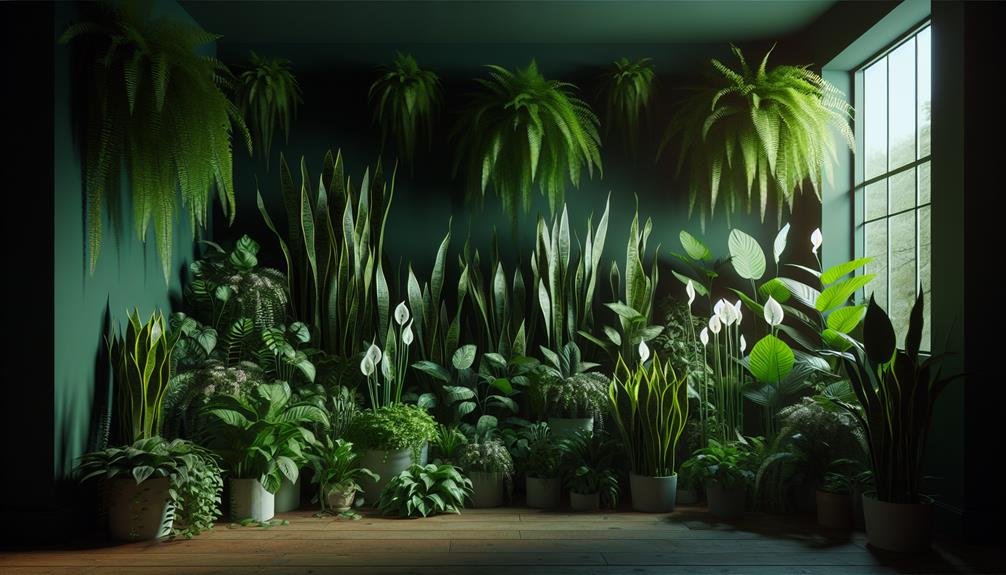
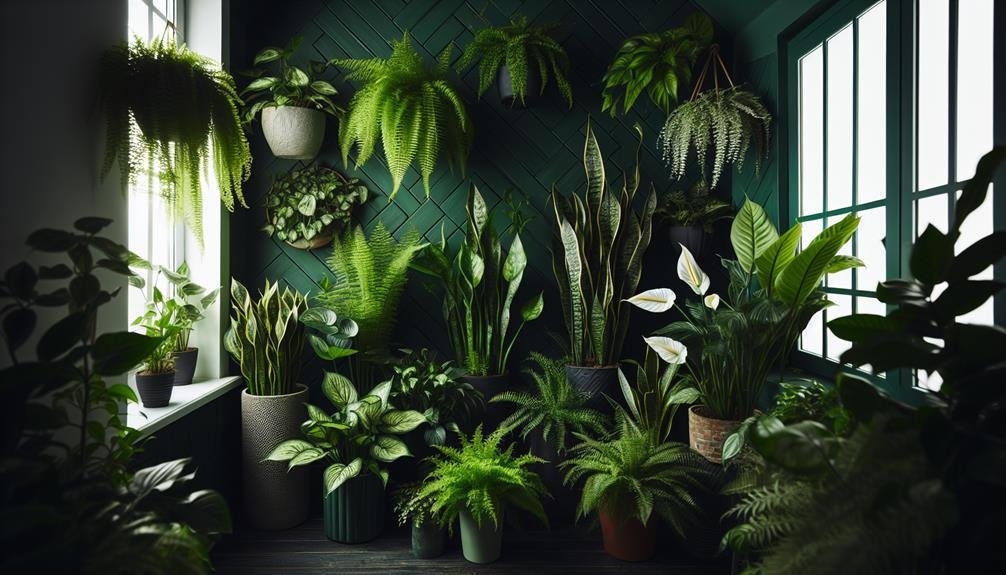
If you're worried that you might not have a green thumb, fear not—there are small plants out there that even beginners can handle. These low-maintenance beauties not only add a touch of nature to your space but are also quite forgiving.
But what if you could enjoy the benefits of having plants without the stress of constantly caring for them? Stay tuned to discover the top small plants that are perfect for those just starting out on their plant-parenting journey.
Succulents
If you're new to gardening, succulents are a great choice for beginners due to their low maintenance and drought-tolerant nature. These hardy plants store water in their leaves, making them resilient to periods of neglect and perfect for those with busy schedules. Succulents come in a variety of shapes, sizes, and colors, adding a touch of natural beauty to any space.
To care for succulents, ensure they receive plenty of sunlight, typically about 6 hours a day. When watering, allow the soil to dry out completely between watering sessions to prevent root rot. Overwatering is one of the most common mistakes made with succulents, so a light touch is key.
One of the best features of succulents is their ability to propagate easily. You can grow new plants from cuttings or leaves, expanding your collection without much effort. With a little attention to sunlight and watering, your succulents will thrive and bring a touch of nature indoors effortlessly.
Spider Plants
Moving on from succulents, another excellent choice for beginners is the spider plant. Spider plants are known for their air-purifying qualities, making them a great addition to your indoor space. These plants have long, arching leaves with a central white stripe, adding a touch of elegance to any room.
One of the best things about spider plants is their low maintenance nature. They thrive in indirect sunlight and only need to be watered occasionally, making them perfect for those new to plant care. If you forget to water them every now and then, don't worry – spider plants are quite forgiving and can bounce back quickly once you give them a drink.
Propagation is another exciting aspect of spider plants. They produce baby spider plantlets that can be easily rooted in water or soil, allowing you to expand your plant collection without much effort. With their unique appearance and easy care requirements, spider plants are a fantastic choice for newbie plant parents looking to green up their living space.
Pothos
Considered one of the easiest houseplants to care for, Pothos is a popular choice for beginners looking to add some greenery to their home. With its vibrant green leaves and low-maintenance nature, Pothos can thrive in various environments, making it an excellent option for those new to plant care.
Pothos, also known as Devil's Ivy, is known for its air-purifying qualities, making it a great addition to any living space. This plant can tolerate low light conditions, but it thrives in medium to bright indirect light, so placing it near a window is ideal.

When it comes to watering, Pothos prefers to dry out between waterings, making it a forgiving plant for those who might forget a watering session now and then. Simply water the plant when the top inch of soil feels dry to the touch.
Snake Plants
Snake Plants, also known as Sansevieria, are a popular choice for beginners due to their low maintenance and air-purifying qualities. These hardy plants thrive in various light conditions, making them versatile for different spaces in your home. They require minimal watering, perfect for those who may forget to water their plants regularly. Snake Plants are known for their striking upright leaves that come in different shades of green, adding a touch of elegance to any room.
One of the most significant benefits of Snake Plants is their air-purifying ability. They're excellent at removing toxins like formaldehyde and benzene from the air, promoting a healthier indoor environment for you and your family. Another reason to love Snake Plants is their resilience to neglect and drought, making them an ideal choice for those new to plant care. With minimal effort, you can enjoy the beauty and benefits that Snake Plants bring to your living space.
Peace Lilies
When caring for Peace Lilies, remember to keep their soil consistently moist but not waterlogged. These plants are great for beginners due to their low maintenance requirements.
Place your Peace Lily in indirect sunlight and water it once a week, allowing excess water to drain out from the bottom of the pot. If you notice the leaves starting to droop, that's a sign that it needs more water. However, be cautious not to overwater, as this can lead to root rot.
Peace Lilies are excellent air purifiers, removing toxins like formaldehyde and benzene from the air. They're also known for their beautiful white flowers that bloom periodically throughout the year. Prune any yellow leaves to encourage new growth and keep your Peace Lily looking fresh.
With a little care and attention, your Peace Lily will thrive and bring a touch of elegance to your space.
Frequently Asked Questions
Can These Small Plants Be Grown Outdoors in a Garden or Are They Strictly Indoor Plants?
These small plants can thrive both outdoors in a garden and indoors, offering flexibility in your gardening choices. Some may be more suited to indoor environments due to specific light and temperature requirements, while others can flourish in outdoor garden settings.
Understanding the needs of each plant will help you determine the best growing environment to ensure their health and growth. Experiment and see what works best for your green companions!
Do Any of These Plants Require Special Fertilizers or Soil Mixtures?
When caring for these plants, some may benefit from special fertilizers or soil mixtures. It's important to research each plant's specific needs. Check if any plant requires a particular type of fertilizer or soil to thrive.
Tailoring your care routine to suit each plant will help them grow healthy and strong. Remember, a little extra attention to their fertilizer and soil requirements can make a big difference in their growth and overall well-being.
Are There Any Common Pests or Diseases That These Plants Are Susceptible To?
When caring for small plants, watch out for common pests like aphids and spider mites. Keep an eye out for signs of wilting or discoloration, as these could indicate diseases such as powdery mildew or root rot.
Regularly inspect your plants to catch any issues early. Remember to water properly and provide adequate sunlight to keep your plants healthy and thriving.
How Often Should These Plants Be Watered and What Is the Best Watering Technique?
When caring for small plants, remember to water them appropriately. It's important to maintain a consistent watering schedule to keep the soil moist but not waterlogged.
Check the soil moisture regularly by sticking your finger into the soil; if it feels dry about an inch down, it's time to water. Water the plants thoroughly until you see water draining out of the bottom of the container.
This will help prevent root rot and ensure healthy growth.
Can These Plants Be Propagated Easily, and if So, What Is the Best Method for Propagation?
Propagating these plants is simple and fun. You can easily create new plants by using methods like stem cuttings or division.
For stem cuttings, just snip a healthy section and place it in water or soil. Division involves separating a mature plant into smaller sections, each with roots. Both techniques are effective and great ways to expand your plant collection.
Enjoy the process and watch your plant family grow!
Conclusion
Now that you have learned about the top small plants ideal for newbies, it's time to start your indoor garden!
Remember to choose plants that suit your space and lifestyle, such as low-maintenance succulents or air-purifying snake plants.
With a little bit of care and attention, you can enjoy the beauty and benefits of these plants in your home.
Happy planting!