When tackling troublesome houseplant pests, precision is key. You may find yourself facing tiny foes like spider mites, aphids, or mealybugs, causing frustration and potential damage to your green companions.
Fear not, for in this guide, you will discover top-notch strategies to combat these invaders effectively. From identifying the culprits to implementing preventive measures, a comprehensive approach is essential to keep your houseplants thriving and pest-free.
Stay tuned to uncover the secrets of successful houseplant pest management.
Identifying Common Houseplant Pests
When inspecting your houseplants for pests, focus on identifying common signs such as webbing, holes in leaves, or sticky residue. These signs can indicate the presence of pests like spider mites, caterpillars, or aphids. Spider mites are tiny pests that create fine webbing on the leaves, while caterpillars leave distinctive chew marks or holes. Aphids, on the other hand, often leave behind sticky residue known as honeydew. By recognizing these signs early on, you can take proactive measures to protect your plants from further damage.
Another pest to watch out for is the fungus gnat. These small flies are attracted to moist soil and decaying plant matter. If you notice tiny black insects flying around your plants, especially when watering, it may indicate a fungus gnat infestation. Additionally, scale insects can be identified by their hard, shell-like coverings on plant stems and leaves. Regularly checking your houseplants for these common pests can help you address any issues promptly and keep your plants healthy.
Natural Remedies for Pest Control
To effectively combat pests on your houseplants, consider utilizing natural remedies for pest control. One commonly used natural remedy is neem oil, which is effective in repelling a variety of pests such as aphids, mealybugs, and spider mites. Simply dilute the neem oil according to the instructions on the product label and spray it on your plants.
Another effective natural remedy is insecticidal soap, which can help eliminate soft-bodied pests like whiteflies and spider mites. You can either purchase insecticidal soap or make your own by mixing mild soap with water.
Additionally, introducing beneficial insects like ladybugs or lacewings to your indoor garden can help control pest populations naturally. These predatory insects will feed on common houseplant pests, keeping their numbers in check.
Implementing Preventative Measures
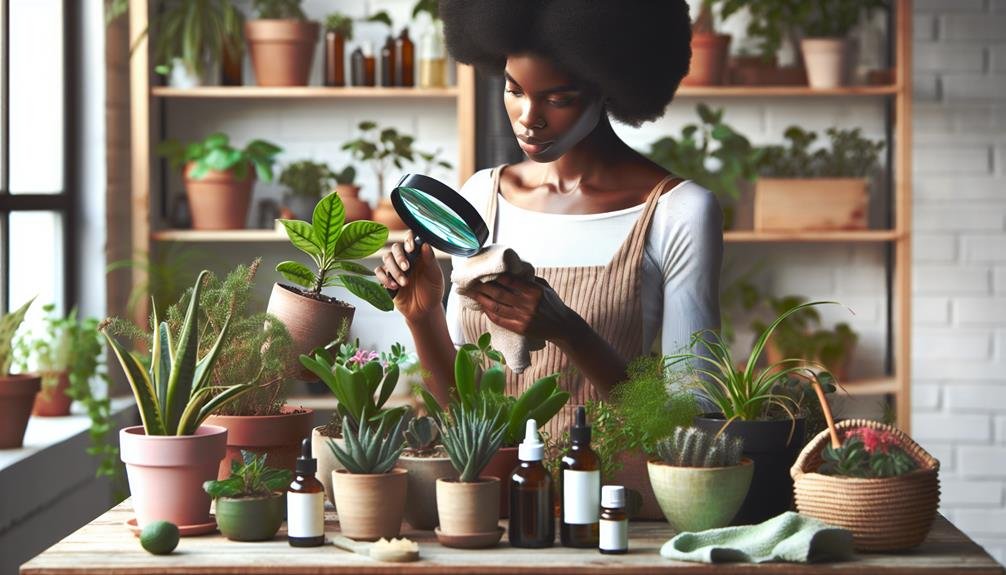
Consider incorporating regular plant inspections and proper hygiene practices to prevent pest infestations in your houseplants. By routinely checking your plants for early signs of pests such as yellowing leaves, sticky residue, or visible bugs, you can catch infestations before they spiral out of control. Inspecting both the upper and lower surfaces of leaves, along with the stems and soil, is crucial for early detection.
Maintaining good hygiene practices is another key preventative measure. Remove any dead or decaying plant material promptly, as these can attract pests. Ensure proper drainage to prevent waterlogged soil, which can create conditions favorable for pests. Additionally, avoid overcrowding your plants, as good air circulation can help deter pests.

Regularly cleaning and disinfecting your gardening tools, pots, and trays can also prevent the spread of pests. Quarantine new plants before introducing them to your existing collection to avoid bringing in any unwanted invaders. By implementing these preventative measures, you can significantly reduce the risk of pest infestations in your houseplants.
Non-Toxic Pest Management Solutions
For environmentally-friendly ways to manage pests on your houseplants, explore non-toxic solutions that are effective and safe for both your plants and the environment. When dealing with pests like aphids or spider mites, a simple solution of mild dish soap and water can be sprayed on the affected plants to eliminate the pests without harming your plant. Neem oil is another excellent non-toxic option that works well against a variety of pests while being safe for indoor use. Additionally, introducing beneficial insects like ladybugs or lacewings can help control pest populations naturally.
Sticky traps are another non-toxic method to catch flying insects like fungus gnats. These traps can be placed near plants to capture the pests before they can lay eggs in the soil. Regularly inspecting your plants for early signs of pest infestations can also help prevent the issue from escalating. By incorporating these non-toxic pest management solutions into your routine, you can effectively combat pests while keeping your houseplants healthy and safe.
Seeking Professional Help
If managing pests on your houseplants becomes overwhelming or if you need specialized treatment, seeking professional help from a licensed pest control expert can provide effective solutions tailored to your plant's specific needs. Pest control professionals have the knowledge and experience to identify the type of pests infesting your plants and recommend the most appropriate treatment. They can also offer guidance on preventing future infestations and maintaining the overall health of your houseplants.
When you enlist the help of a professional, you aren't only addressing the current pest problem but also investing in the long-term well-being of your plants. These experts have access to a wider range of pest control products and techniques that may not be available to the average consumer. By entrusting your plant care to a professional, you can ensure that the treatment is applied correctly and safely, minimizing any potential harm to your plants or household. Don't hesitate to seek professional assistance if you feel overwhelmed or unsure about managing pests on your houseplants.
Frequently Asked Questions
Can Houseplant Pests Cause Harm to Pets or Children if Ingested?
Yes, houseplant pests can cause harm to pets or children if ingested. Some pests may carry toxins or irritants that can be harmful if consumed.
It's essential to keep an eye on your houseplants and ensure they're free from pests to prevent any potential harm to your loved ones. Regularly inspecting your plants and taking action if you notice any pests can help keep your home safe for everyone.
How Can I Prevent Houseplant Pests From Spreading to Other Plants in My Home?
To prevent houseplant pests from spreading to other plants in your home, you should isolate any infected plants immediately. Place them away from healthy plants to stop the pests from moving around.
Regularly inspect all your plants for signs of pests and treat any issues promptly. By being proactive and keeping a close eye on your plants, you can help prevent the spread of pests to your other green friends.
Are There Any Specific Houseplant Species That Are More Prone to Pest Infestations?
Some houseplant species are more prone to pest infestations than others. Factors like humidity, light levels, and care routines can influence a plant's susceptibility to pests.
Keep an eye on plants like ferns, spider plants, and palms as they're commonly targeted by pests.
Regularly inspect all your plants to catch and address any pest issues early on to prevent them from spreading to other plants in your home.
Do Houseplant Pests Have Any Natural Predators That Can Help Control Their Population?
Houseplant pests do have natural predators that can help control their population. Ladybugs, lacewings, and predatory mites are some beneficial insects that can prey on common pests like aphids, spider mites, and mealybugs.
These predators can be introduced into your indoor garden to keep pest populations in check without the need for harsh chemicals. Consider adding them as part of your pest management plan for a healthier houseplant environment.
Can Over-Watering or Under-Watering My Houseplants Attract Pests?
Over-watering or under-watering your houseplants can indeed attract pests. Excessive moisture from over-watering creates a hospitable environment for pests like fungus gnats and root rot pathogens.
On the other hand, under-watering weakens plants, making them more susceptible to stress and pest infestations. Finding the right balance in watering is crucial to keep your houseplants healthy and pest-free.
Conclusion
You've learned the top strategies for managing houseplant pests.
By identifying common pests, using natural remedies, implementing preventative measures, and seeking professional help when needed, you can keep your houseplants healthy and pest-free.
Remember, non-toxic pest management solutions are key to maintaining a safe environment for you and your plants.
Keep up the good work and your green thumb will continue to thrive!