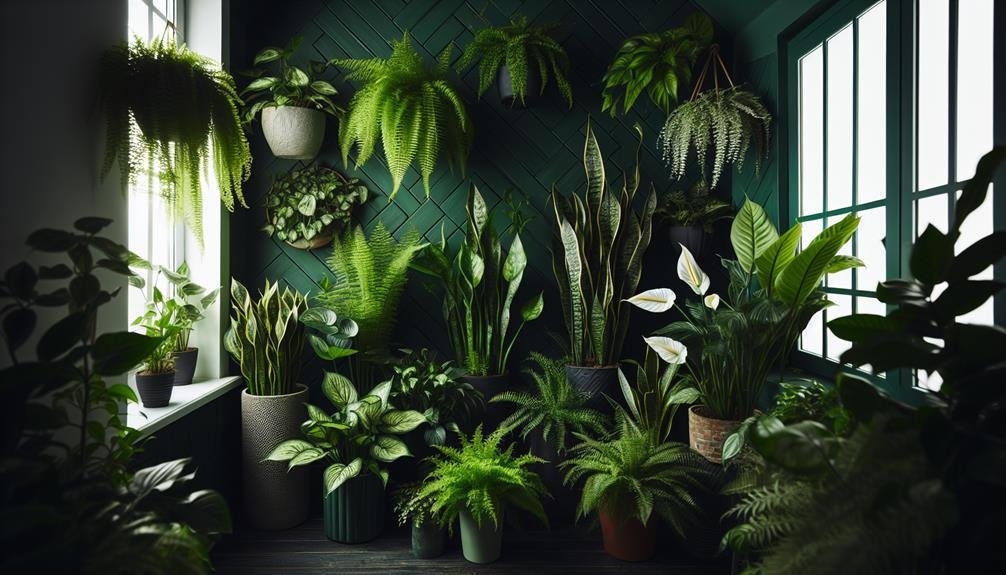
When it comes to expanding your houseplant collection, mastering the art of propagation can be a rewarding endeavor.
Understanding the nuances of nurturing new life from existing plants is a skill worth honing.
From the delicate process of choosing the right propagation method to the crucial task of selecting healthy parent plants, each step plays a vital role in the success of your propagation journey.
Stay tuned to discover how you can elevate your houseplant game and achieve flourishing propagation results.
Choosing the Right Propagation Method
When propagating houseplants, consider the method that best suits the plant's specific needs and characteristics. Some plants propagate well from stem cuttings. To do this, select a healthy stem with several nodes, trim it just below a node, remove lower leaves, and place it in water or moist soil.
For plants like succulents, leaf cuttings work best. Simply twist off a healthy leaf, let it dry for a few days, then place it on top of soil to root.
Another method is division, ideal for plants with multiple stems or offshoots. Carefully separate these sections and replant them individually.
Layering is great for plants like philodendrons. Bend a lower stem to the ground, cover it with soil, and wait for roots to develop before cutting it from the parent plant.
Selecting Healthy Parent Plants
To ensure successful houseplant propagation, begin by selecting parent plants that are vibrant, pest-free, and have strong, healthy growth. Choose specimens with lush foliage, free from discoloration or wilting. Inspect the leaves for any signs of pests such as webs, holes, or sticky residue, as these can hinder the propagation process and introduce pests to new plants. Opt for parent plants that exhibit vigorous growth, indicating their ability to pass on robust genes to their offspring.
When selecting parent plants for propagation, consider the overall health of the plant. Look for plants that have a well-established root system and sturdy stems. Avoid plants that show signs of stress or disease, such as yellowing leaves, stunted growth, or root rot. Healthy parent plants will give your propagated plants a better chance of thriving.

Providing Optimal Growing Conditions
For optimal growth, ensure your propagated houseplants are placed in environments with adequate light and proper humidity levels.
Adequate light is crucial for photosynthesis, so make sure your plants receive the right amount of light based on their specific needs. Place them near a window with bright, indirect sunlight for most varieties. If natural light is limited, consider using artificial grow lights to supplement.
Additionally, maintaining proper humidity levels is key to successful propagation. You can increase humidity by misting your plants regularly, using a humidifier, or placing a tray of water near your plants. Keep an eye on the moisture levels in the soil as well, ensuring it remains moist but not waterlogged.
Using the Proper Tools and Supplies
Using the right tools and supplies is essential for successful propagation of your houseplants. Make sure you have clean scissors or pruners for taking cuttings, as dirty tools can introduce diseases to your plants. A sharp blade will make clean cuts, promoting quicker healing and reducing the risk of infections. Additionally, having a rooting hormone on hand can help encourage root development in your cuttings. This hormone stimulates the growth of roots, increasing the chances of successful propagation.
When it comes to supplies, prepare small pots or containers with well-draining soil to plant your cuttings. Using a soil mix specifically designed for propagation can provide the right balance of nutrients and aeration needed for root growth. Ensure your containers have drainage holes to prevent waterlogging, which can lead to rot. You may also want to have a misting bottle to keep the cuttings moist during the propagation process.
Monitoring and Patience for Success
As you observe your propagated houseplants, remember that successful propagation requires careful monitoring and patience for optimal results. Monitoring your propagated plants involves keeping a close eye on their growth progress, ensuring they have adequate light, water, and nutrients. Be patient as you wait for roots to develop or new shoots to emerge. Remember, each plant may take a different amount of time to propagate successfully, so avoid rushing the process.
Regularly check the soil moisture levels by gently sticking your finger into the soil. If it feels dry, it's time to water your propagated plants. However, be cautious not to overwater, as this can lead to root rot. Additionally, keep an eye out for any signs of pests or diseases, and address them promptly to prevent them from spreading to other plants.
Frequently Asked Questions
How Can I Prevent Pests and Diseases From Affecting My Propagated Houseplants?
To prevent pests and diseases from harming your propagated houseplants, keep a close eye on your plants regularly. Check for any signs of pests like aphids or spider mites. Ensure your plants have good air circulation and avoid overcrowding.
Water your plants properly, as overwatering can lead to root rot. If you notice any issues, act promptly to address them before they spread. Proper care and attention can help keep your plants healthy.
Can I Propagate Houseplants From Seeds, and if So, What Are Some Tips for Success?
Yes, you can propagate houseplants from seeds. To succeed, ensure your seeds are fresh and viable. Use a well-draining soil mix and keep it consistently moist. Provide warmth and adequate light for germination. Shield seeds from direct sunlight.
Once they sprout, gradually expose them to more light. Patience is key; it takes time for seeds to grow into healthy plants. Enjoy the process!
Are There Any Alternative Methods for Propagating Houseplants That Are Not Commonly Used but Still Effective?
When looking for alternative ways to propagate houseplants, consider air layering or division. Air layering involves encouraging roots to grow on a branch while it's still attached to the parent plant.
Division means separating a mature plant into smaller sections to create new plants. Both methods can be effective, so give them a try if you're looking to expand your houseplant collection in different ways.
What Are Some Signs That Indicate a Propagated Houseplant Is Ready to Be Transferred to a Larger Pot?
When your propagated houseplant starts showing roots at the bottom of the pot and begins to outgrow its current container, that's your cue. Look for roots peeking out from the drainage holes or circling around the bottom.
The plant might also start looking top-heavy or pushing against the sides of the pot.
These signs indicate it's time to transfer your thriving plant into a larger pot for continued growth and development.
How Can I Ensure Successful Propagation When Dealing With Rare or Exotic Houseplant Varieties?
To ensure successful propagation with rare or exotic houseplant varieties, start by researching specific needs for each plant. Consider factors like humidity, temperature, and soil type.
Use high-quality tools and materials to maintain a sterile environment. Pay close attention to watering and light requirements. Monitor growth closely and adjust care as needed.
Conclusion
Remember, successful houseplant propagation requires careful attention to detail and patience. By choosing the right propagation method, selecting healthy parent plants, providing optimal growing conditions, using the proper tools and supplies, and monitoring your plants closely, you can increase your chances of success.
Remember to be patient and allow nature to take its course. With dedication and care, you can enjoy the rewarding experience of growing new plants from cuttings or seeds.