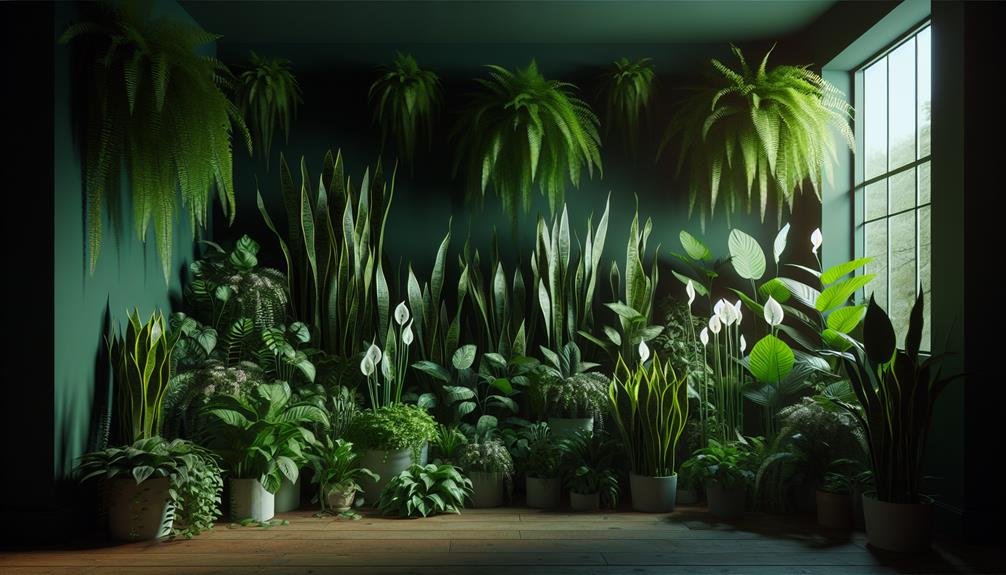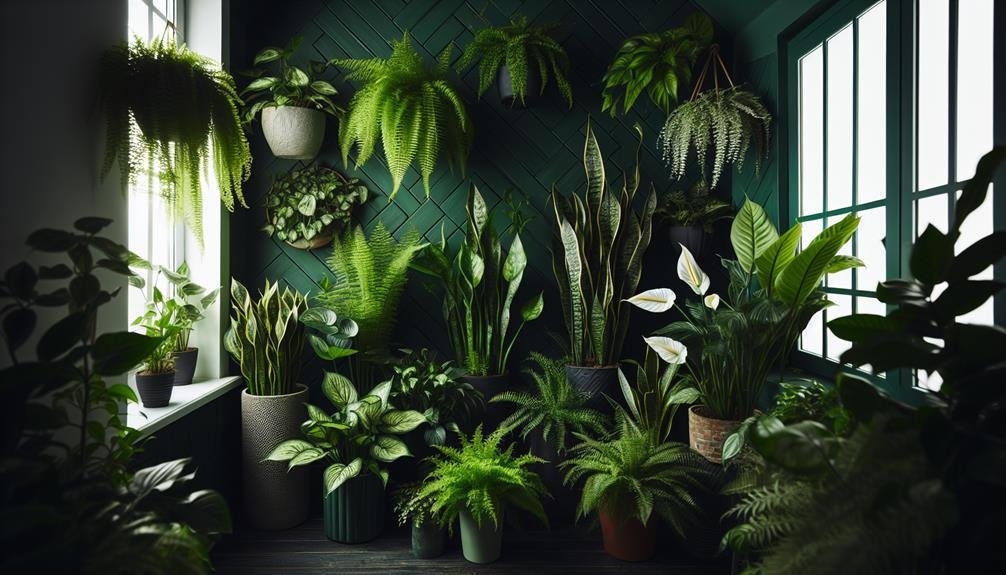
Imagine transforming your workspace into a lush oasis of greenery that not only adds aesthetic appeal but also has the power to enhance your productivity levels significantly.
Houseplants have long been underestimated in their ability to influence your work environment positively. However, with the right selection and care, these leafy companions can foster a more productive and balanced atmosphere conducive to your professional endeavors.
Want to know which plants can make a real difference in your daily routine?
Benefits of Houseplants
Wondering how houseplants can boost your productivity at work or home? Having greenery around you isn't just visually pleasing; it can actually have a positive impact on your overall well-being and efficiency. Research shows that incorporating houseplants into your environment can lead to reduced stress levels, increased focus, and enhanced creativity.
The presence of plants in your surroundings has been linked to a variety of health benefits. For instance, indoor plants can help purify the air by removing toxins and increasing oxygen levels, creating a healthier atmosphere for you to thrive in. Additionally, their calming effect can contribute to a more relaxed and productive mindset, making it easier to tackle tasks with clarity and determination.
Moreover, caring for houseplants can instill a sense of responsibility and routine, which can translate into improved time management skills and a greater sense of accomplishment. By nurturing and watching your plants grow, you not only enhance your environment but also foster a nurturing mindset that can positively influence your productivity levels.
Best Houseplants for Productivity
To further enhance your productivity, consider incorporating specific houseplants known for their ability to boost focus and creativity in your workspace. Spider plants are great for improving air quality and reducing stress, making them a perfect choice for your office.
The vibrant green leaves of a pothos plant can add a touch of color to your workspace while requiring minimal maintenance. If you're looking for a plant that thrives in low light conditions, a peace lily is an excellent option that also helps to remove toxins from the air.
For those who enjoy flowering plants, a colorful orchid not only looks beautiful but also enhances mood and productivity.
Another fantastic option is the snake plant, which is nearly indestructible and can survive in various light conditions, making it ideal for beginners. The unique leaves of a ZZ plant can add a modern touch to your workspace while thriving in low light.

Lastly, aromatic herbs like rosemary or lavender can stimulate your senses and improve concentration. Consider these houseplants to create a more productive and inspiring work environment.
Setting Up Your Indoor Garden
Considering the space and lighting conditions in your home, plan strategically to set up your indoor garden for optimal growth and visual appeal. Start by selecting a variety of plants that thrive in the available light levels; for example, place high-light plants near windows and low-light plants in more shaded areas. Utilize shelves, plant stands, or hanging planters to make the most of vertical space if you have limited floor space. Ensure proper drainage by placing saucers under pots or opting for containers with drainage holes to prevent overwatering.
When arranging your indoor garden, consider creating visually pleasing arrangements by mixing different plant shapes, sizes, and colors. Grouping plants with similar care needs together can also make maintenance easier. Add a personal touch by choosing decorative pots or planters that complement your home decor. Remember to leave room for growth when positioning your plants to prevent overcrowding as they mature. By setting up your indoor garden thoughtfully, you can create a harmonious and productive space that enhances both your environment and your well-being.
Maintenance Tips for Busy Professionals
Struggling to balance work demands with plant care? As a busy professional, it can be challenging to find the time to properly maintain your indoor garden. However, with a few simple tips, you can keep your houseplants thriving without adding extra stress to your schedule.
First, create a watering schedule that aligns with your routine. Overwatering is a common issue, so make sure to check the moisture level of the soil before watering. Consider using self-watering pots or investing in a drip irrigation system to ensure your plants receive consistent moisture.
Second, set aside some time each week for basic maintenance tasks. This can include dusting the leaves, pruning any dead or yellowing foliage, and checking for signs of pests. Keeping up with these small tasks regularly will prevent larger problems down the line.
Lastly, don't forget to rotate your plants occasionally to ensure they receive an even amount of sunlight. This simple step can make a big difference in the overall health and growth of your indoor garden. By implementing these maintenance tips, you can enjoy the benefits of houseplants without adding extra work to your busy schedule.
Enhancing Workspaces With Plants
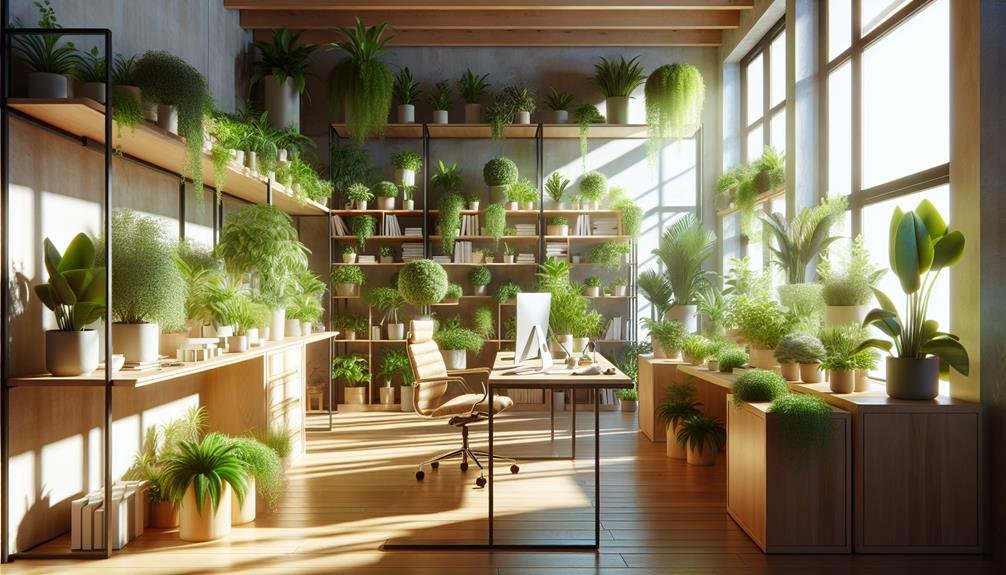
Enhance your workspace by strategically incorporating plants to boost productivity and well-being. Choose plants like succulents or snake plants that require minimal maintenance and can thrive in various light conditions. Position a few small potted plants on your desk or shelves to add a touch of greenery without overwhelming your workspace.
Consider adding a hanging plant near a window or on a blank wall to maximize space and bring nature indoors. Plants like pothos or spider plants are excellent choices for hanging planters and can help improve air quality. If you have a larger workspace, a statement plant such as a fiddle leaf fig or peace lily can serve as a focal point while providing numerous benefits.
Remember to water and care for your plants regularly to ensure they remain healthy and vibrant. Taking a moment to tend to your plants can also serve as a refreshing mental break, allowing you to recharge and refocus on your tasks. By incorporating plants into your workspace, you can create a more inviting and productive environment that enhances your overall well-being.
Frequently Asked Questions
Can Houseplants Improve Air Quality in My Home Office?
Yes, houseplants can indeed improve air quality in your home office. They absorb carbon dioxide and release oxygen through photosynthesis, enhancing the freshness of the air you breathe.
Certain plants like spider plants, peace lilies, and snake plants are particularly effective in removing common indoor pollutants.
Are There Any Specific Houseplants That Can Help Reduce Stress and Anxiety?
When seeking to reduce stress and anxiety, consider houseplants like lavender, aloe vera, and jasmine.
These plants have calming effects and can promote relaxation in your space. Lavender's scent is known to alleviate stress, aloe vera purifies the air, and jasmine can help improve sleep quality.
Incorporating these houseplants into your environment may contribute to a more tranquil and soothing atmosphere.
How Can I Prevent Pests and Diseases From Affecting My Indoor Garden?
To prevent pests and diseases in your indoor garden, start by regularly inspecting your plants for any signs of trouble. Keep your plants clean and well-watered, but not overwatered. Try using natural remedies like neem oil or insecticidal soap to combat pests.
Quarantine any new plants before introducing them to the rest of your collection. Remember, a little prevention goes a long way in maintaining a healthy and thriving indoor garden.
Are There Any Houseplants That Can Thrive in Low-Light Conditions?
You can find houseplants that thrive in low-light conditions. Consider options like snake plants, pothos, and peace lilies. These plants can still grow and add greenery to your space even with minimal natural light.
Remember to place them near a source of indirect light and rotate them occasionally for even growth. With proper care, these low-light-loving plants can bring life to your home or office without needing tons of sunlight.
Can Houseplants Help Increase Creativity and Focus in a Work Environment?
Houseplants can definitely help increase creativity and focus in a work environment. The presence of greenery can boost your mood, reduce stress, and improve air quality, all of which contribute to a more productive mindset.
Certain plants like succulents and snake plants are low-maintenance options that can thrive in office settings. Their presence can create a calming atmosphere, inspiring you to stay focused and creative throughout the workday.
Conclusion
So there you have it – by incorporating houseplants into your workspace, you can boost productivity, improve air quality, and create a more inviting environment.
Remember to choose low-maintenance plants, set up your indoor garden strategically, and make time for regular maintenance.
With a little effort, you can transform your workspace into a green oasis that promotes focus, creativity, and overall well-being.
Happy planting!