So, you've decided to dip your toes into the world of plant care, hoping to effortlessly transform your living space into a lush oasis. But beware, dear beginner, for the path to green-thumb glory is often lined with wilted leaves and drooping stems.
Fear not, as we unveil the secrets to nurturing your botanical companions with minimal effort. Whether you're a seasoned plant parent or a complete novice, these tips will set you on the path to becoming a pro in no time.
Choosing the Right Plants
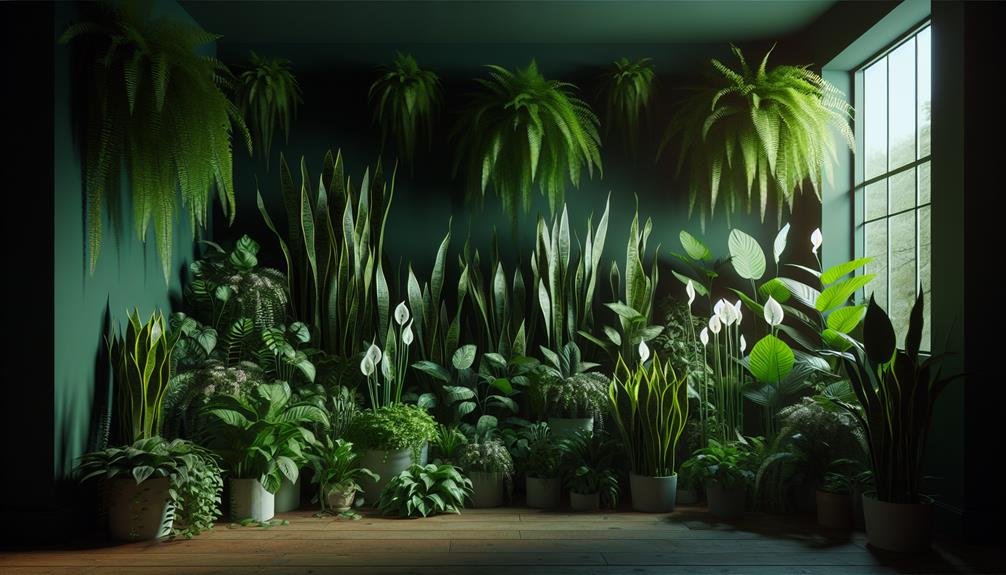
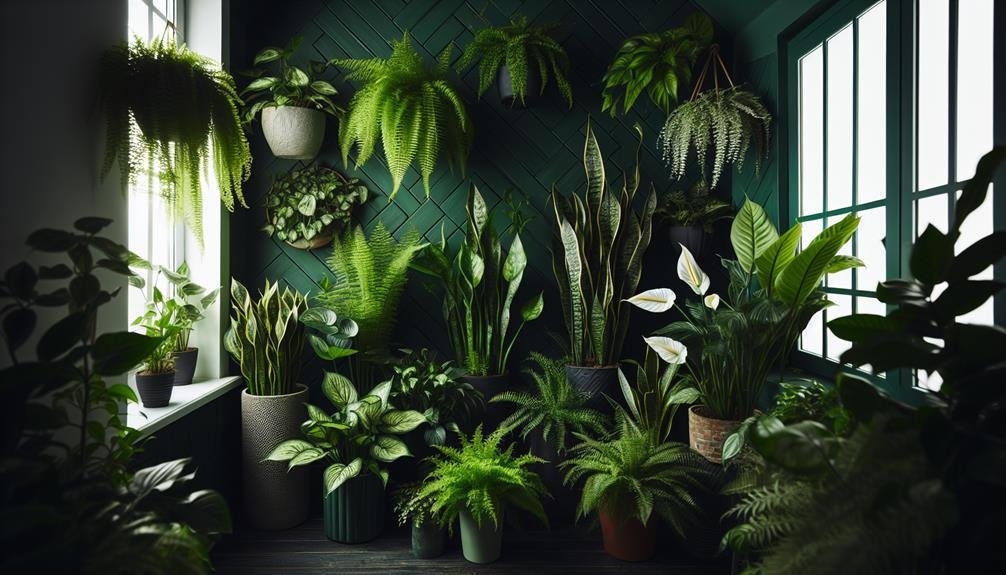
When starting your gardening journey, ensure you choose plants that align with your available space and light conditions. Assess whether your indoor or outdoor area receives direct sunlight, partial sunlight, or shade. For sunny spots, consider plants like succulents, tomatoes, or peppers. In shaded areas, opt for ferns, peace lilies, or snake plants.
Take note of the space you have available, whether it's a small balcony, a windowsill, or a spacious backyard. Compact plants like herbs, aloe vera, or dwarf varieties are great for limited spaces, while larger plants such as monstera or fiddle leaf figs thrive in more ample areas.
Research the specific needs of each plant before making a purchase. Some plants require more maintenance, while others are more forgiving. Consider factors like watering frequency, soil type, and humidity levels. By selecting plants that suit your environment and lifestyle, you set yourself up for a successful and enjoyable gardening experience.
Understanding Watering Needs
As you move forward in caring for your plants, mastering their watering needs is paramount to their health and growth. Different plants have varying requirements when it comes to watering. Some plants prefer consistently moist soil, while others need their soil to dry out between waterings.
To determine when to water your plants, stick your finger into the soil; if it feels dry an inch deep, it's time to water. Overwatering can lead to root rot, so it's crucial not to drown your plants. On the other hand, underwatering can cause wilting and stunted growth. It's essential to strike the right balance.
Factors like humidity levels, pot size, and plant type can all affect how often you should water. Remember, it's better to underwater than overwater. Observing your plants and adjusting your watering routine accordingly will help you develop a green thumb in no time.
Finding the Perfect Sunlight
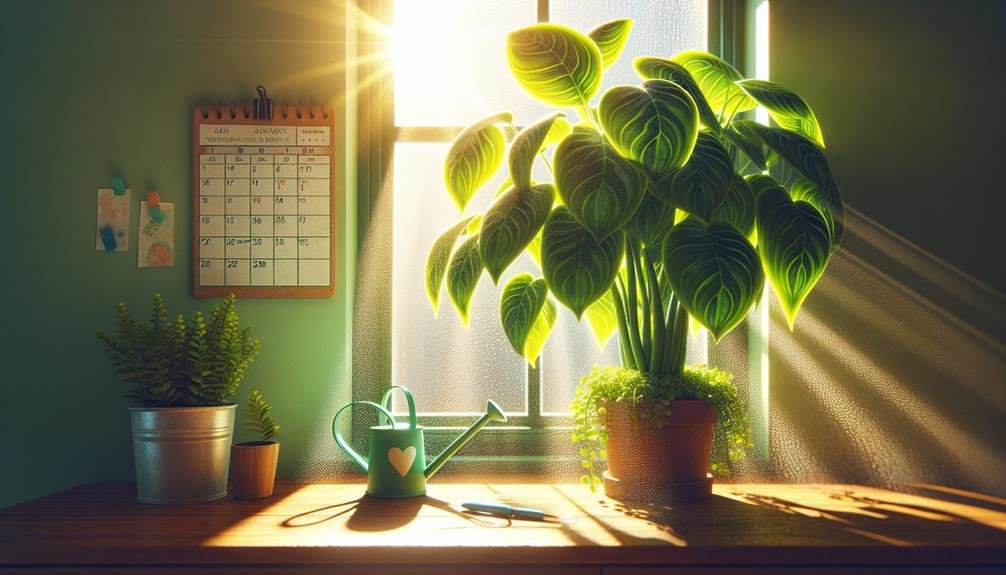
To ensure your plants thrive, locating the ideal amount of sunlight they need is crucial for their overall well-being and growth. Different plants have varying light requirements, so it's essential to understand the sunlight preferences of each plant you own. When determining the perfect sunlight spot for your plants, consider factors such as the direction your windows face and the amount of natural light each area receives throughout the day.
Plants that require full sunlight need at least six hours of direct sunlight daily. These are typically sun-loving plants like succulents, cacti, and many flowering plants. On the other hand, plants that prefer indirect or partial sunlight thrive in bright, filtered light or a few hours of morning sun. Examples include ferns, peace lilies, and some types of ivy.

Observing how the sunlight moves through your home can help you find the best spots for your plants. Remember, too much direct sunlight can scorch leaves, while too little light can cause leggy growth. By understanding your plants' sunlight needs, you can create an environment where they'll flourish and thrive.
Nurturing Healthy Growth
Locate the perfect balance of water and nutrients to ensure your plants' healthy growth. Proper watering is crucial for plant health. Overwatering can lead to root rot, while underwatering can cause wilting and stunted growth.
To determine the watering needs of your plants, check the soil moisture regularly by sticking your finger into the soil. If it feels dry an inch below the surface, it's time to water.
Additionally, providing the right nutrients is essential for healthy plant growth. Choose a balanced fertilizer specifically formulated for the type of plants you're growing. Follow the instructions on the fertilizer package to avoid overfertilizing, which can harm your plants.
Regularly inspect your plants for any signs of nutrient deficiencies, such as yellowing leaves or slow growth, and adjust your fertilization routine accordingly.
Troubleshooting Common Issues
Maintaining healthy plants involves promptly identifying and addressing common issues that may arise. One frequent problem is overwatering, which can lead to root rot and other complications. Ensure proper drainage in your pots and allow the soil to dry out between waterings.
On the other hand, underwatering can cause wilting and stunted growth. Check the moisture levels regularly and adjust your watering schedule accordingly.
Another common issue is inadequate lighting. If your plant isn't thriving, it might need more or less sunlight. Research the specific light requirements of your plant species and find a suitable location for it.
Pests like aphids and spider mites can also wreak havoc on your plants. Keep an eye out for any signs of infestation and treat them promptly with insecticidal soap or neem oil.
Frequently Asked Questions
How Can I Prevent Pests and Diseases From Affecting My Plants?
To prevent pests and diseases from harming your plants, keep a close eye on them regularly. Inspect for any signs of trouble like holes in leaves or discoloration.
Wipe down leaves with a damp cloth to remove dust and potential pests. Avoid overwatering, as it can create a favorable environment for diseases.
Consider using natural remedies or pesticides if needed, but always follow instructions carefully to protect your plants.
Is It Necessary to Repot My Plants Regularly, and How Do I Know When It's Time to Do So?
Regularly repotting your plants is important to ensure they have enough space to grow and access fresh nutrients. You'll know it's time when you see roots coming out of the drainage holes or the plant looks cramped in its current pot.
Choose a new container that's slightly larger, use fresh soil, and gently loosen the roots before transferring. This simple task can help your plants thrive and prevent them from becoming root-bound.
What Are Some Tips for Promoting Blooming in Flowering Plants?
To promote blooming in flowering plants, ensure they receive adequate sunlight, usually around 6-8 hours daily.
Water consistently but avoid overwatering, as this can hinder blooming.
Use a balanced fertilizer during the growing season to provide essential nutrients.
Deadhead spent flowers to encourage new blooms.
Lastly, maintain proper air circulation around your plants.
These simple steps can help your flowering plants thrive and bloom beautifully.
How Do I Know if My Plants Need Fertilizer, and What Type Should I Use?
To know if your plants need fertilizer, look out for signs like slow growth or pale leaves. Check the type of plant and its specific needs for nutrients.
For flowering plants, a balanced fertilizer with equal parts of nitrogen, phosphorus, and potassium can work well. Always follow the instructions on the fertilizer packaging to avoid overfeeding.
Are There Any Alternative Methods for Controlling Weeds in My Indoor Garden?
To control weeds in your indoor garden, consider using natural alternatives like mulching with materials such as newspaper or cardboard to suppress weed growth.
Regularly hand-weed to remove any unwanted plants that may pop up. You can also try spraying a vinegar solution directly on the weeds to help eliminate them.
These methods are effective in keeping your indoor garden weed-free without the need for harsh chemicals.
Conclusion
So there you have it – with just a little bit of knowledge and care, you can easily become a successful plant parent.
Remember to choose the right plants for your space, water them properly, give them the sunlight they need, and keep an eye out for any issues that may arise.
With these simple tips, you'll be well on your way to enjoying a thriving indoor garden in no time.
Happy planting!