Did you know that your houseplants could be doing more than just adding a touch of green to your living space?
The air-purifying capabilities of these leafy companions might just surprise you.
By understanding how specific houseplants can filter out harmful toxins and improve the air quality in your home, you could be taking a crucial step towards creating a healthier environment for you and your loved ones.
Importance of Indoor Air Quality
Ensuring optimal indoor air quality is essential for maintaining a healthy living environment. The air you breathe indoors can have a significant impact on your overall well-being. Poor indoor air quality can lead to various health issues, including allergies, respiratory problems, and even long-term conditions. Factors such as dust, pet dander, mold, and volatile organic compounds (VOCs) from household products can all contribute to the deterioration of air quality inside your home.
To combat these potential risks, it's crucial to take proactive steps to improve indoor air quality. One effective way to achieve this is by incorporating air-purifying houseplants into your living space. These plants have the natural ability to filter out harmful toxins and pollutants from the air, promoting a cleaner and healthier environment for you and your family. By strategically placing these plants throughout your home, you can enhance air quality while also adding a touch of greenery to your decor.
Taking simple measures to ensure clean indoor air can have a profound impact on your health and quality of life.
Top Air-Purifying Houseplants
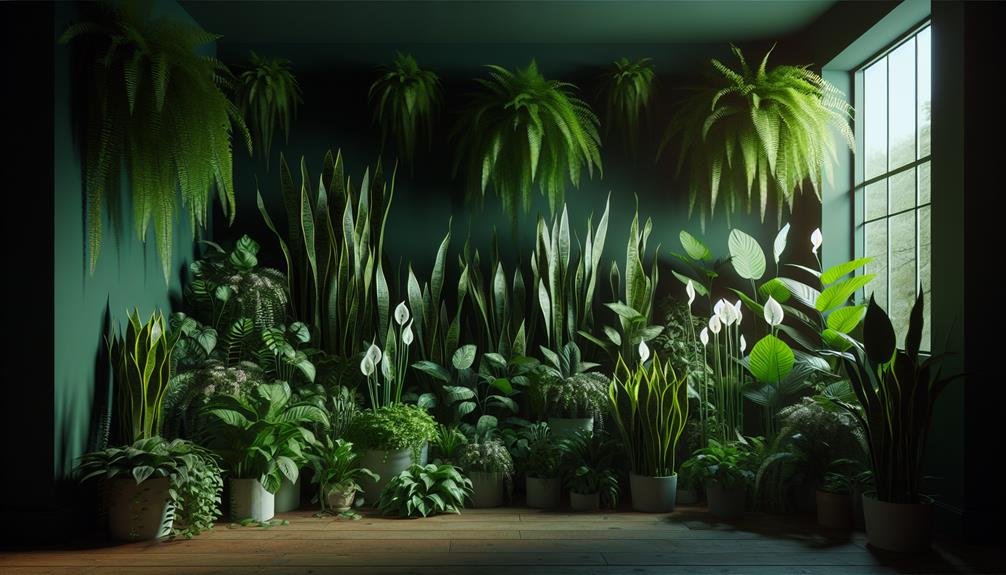
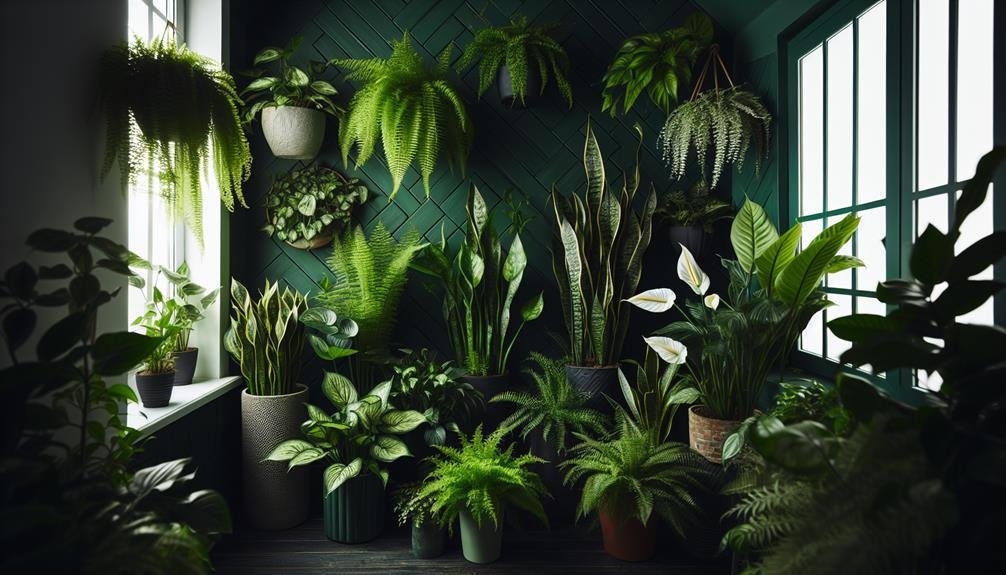
Improving your indoor air quality can be as simple as introducing specific houseplants known for their air-purifying properties. Some of the top air-purifying houseplants to consider are the Spider Plant, known for effectively removing formaldehyde and xylene from the air, and the Peace Lily, which can help eliminate mold spores.
Another excellent option is the Snake Plant, which releases oxygen at night and is efficient at absorbing toxins like formaldehyde and benzene. The Aloe Vera plant isn't only great for soothing skin, but it also helps clear the air of formaldehyde and benzene, commonly found in cleaning products.
For a pop of color, the Gerbera Daisy not only brightens up your space but also removes trichloroethylene from the air. Lastly, the Pothos plant is a versatile choice that thrives in various lighting conditions and is effective at removing carbon monoxide and formaldehyde.
Consider adding these air-purifying houseplants to your indoor space for a breath of fresh air.

Factors Influencing Air Purification
Consider the environment in which your houseplants are placed to maximize their air-purifying potential. Factors such as light, temperature, and humidity play a crucial role in the efficiency of your plants in cleaning the air. Adequate sunlight is essential for photosynthesis, a process where plants absorb carbon dioxide and release oxygen. Place your plants in areas with enough natural light or use artificial grow lights to supplement their needs.
Maintaining a stable temperature is also important for plant health and air purification. Most houseplants thrive in temperatures between 60-75°F (15-24°C). Extreme temperatures can stress plants, affecting their ability to purify the air effectively. Additionally, consider the humidity levels in your home. Houseplants generally prefer moderate humidity levels, so using a humidifier or grouping plants together can create a more suitable microclimate for them.
Placement Tips for Houseplants
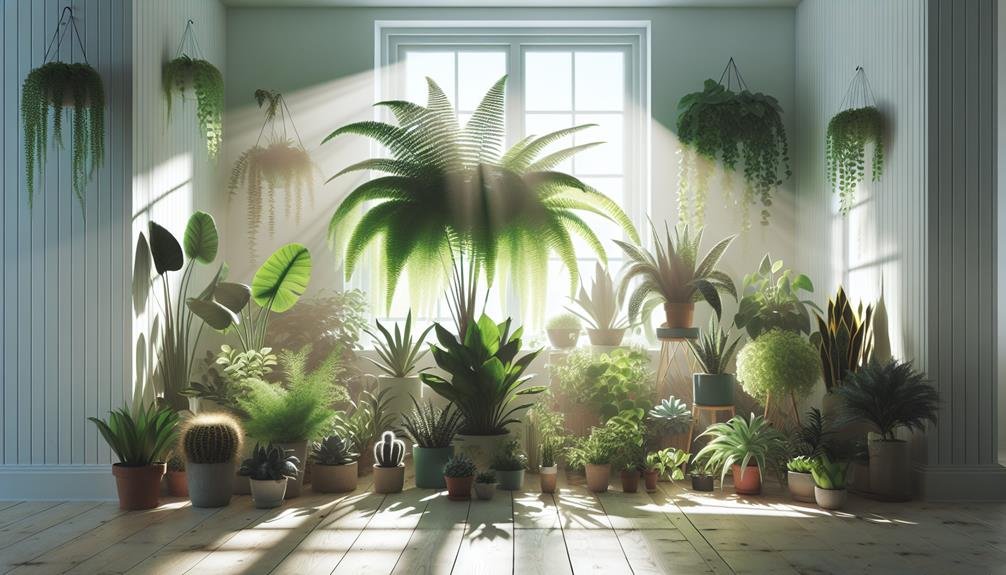
To optimize the air-purifying potential of your houseplants, strategically placing them in your home can significantly enhance their effectiveness. Consider locating plants in areas where you spend the most time, such as the living room or bedroom, to maximize their impact on air quality. Placing plants near windows allows them to receive sufficient sunlight for photosynthesis, promoting their overall health and purifying capabilities.
Another key tip is to group plants together, as this can create a mini ecosystem that boosts humidity levels and aids in air purification. By clustering plants, you can create a more impactful air-purifying effect compared to scattering them around the house. Additionally, positioning plants near commonly used household items like sofas or desks can help filter out pollutants that may be released from these objects.
Remember to avoid placing plants near sources of drafts or extreme temperatures, as this can stress the plants and hinder their air-purifying abilities. By strategically positioning your houseplants in optimal locations throughout your home, you can harness their hidden air-purifying power effectively.
Maintenance for Optimal Air Quality
Enhancing the air quality in your home through houseplants requires consistent maintenance. Keeping your plants healthy directly correlates with their ability to purify the air effectively. Regularly dusting the leaves with a damp cloth helps plants absorb more light, aiding in photosynthesis and overall air purification. Additionally, inspecting your plants for pests and promptly addressing any infestations is crucial. Insects can damage plants, hindering their air-purifying capabilities.
Watering your plants appropriately is key to maintaining optimal air quality. Overwatering can lead to mold growth, affecting both plant health and air quality negatively. On the other hand, underwatering can cause plants to wilt and become less efficient at purifying the air. Finding the right balance is essential. Furthermore, periodically repotting your plants ensures they've enough space for root growth, promoting overall plant health and air purification. By dedicating time to proper plant care, you can maximize the air-purifying benefits of houseplants in your home.
Frequently Asked Questions
Can Houseplants Actually Remove Harmful Chemicals Like Formaldehyde and Benzene From the Air in My Home?
Yes, houseplants can indeed remove harmful chemicals like formaldehyde and benzene from the air in your home. They absorb these toxins through their leaves and roots, improving the air quality in your living space.
How Can I Tell if My Houseplants Are Effectively Purifying the Air in My Home?
To check if your houseplants are purifying the air, monitor for improved air quality indicators like reduced odors, fewer allergy symptoms, and enhanced overall well-being.
Regularly dusting the leaves and ensuring proper plant care can help them work efficiently. Consider using air quality monitors for more accurate measurements.
Are There Any Specific Houseplants That Are More Effective at Removing Specific Pollutants From the Air?
When it comes to specific houseplants that are more effective at removing particular pollutants from the air, yes, there are some options. Plants like spider plants, peace lilies, and snake plants are known for their air-purifying abilities.
Spider plants are great for removing formaldehyde, while peace lilies can tackle ammonia and benzene. Snake plants are excellent at filtering out formaldehyde and nitrogen oxide.
Incorporating these plants can help improve your indoor air quality.
Can Houseplants Help Reduce the Symptoms of Indoor Allergies or Asthma for Individuals in My Household?
Houseplants can indeed help reduce symptoms of indoor allergies or asthma in your household. Certain plants can improve air quality by removing pollutants and increasing oxygen levels.
This cleaner air can lead to a decrease in allergy or asthma triggers, creating a healthier environment for you and your family. Consider incorporating specific air-purifying plants into your indoor space to potentially alleviate symptoms and promote better respiratory health.
Are There Any Houseplants That Are Harmful to Pets or Children if Ingested?
Some houseplants can be harmful to pets or children if ingested. It's important to be cautious and research the toxicity levels of plants before bringing them into your home.
Keep potentially toxic plants out of reach of pets and kids. If you suspect that your pet or child has ingested a poisonous plant, seek immediate medical attention.
Safety first when it comes to selecting houseplants for your home environment.
Conclusion
Now that you know the top air-purifying houseplants and how to maximize their effectiveness, you can easily unlock the hidden power of these natural air purifiers in your home.
By following placement tips and proper maintenance practices, you can breathe cleaner, fresher air every day.
Incorporating houseplants into your indoor environment not only adds beauty but also improves your overall well-being.
So go ahead, bring some green into your space and enjoy the benefits of cleaner air.