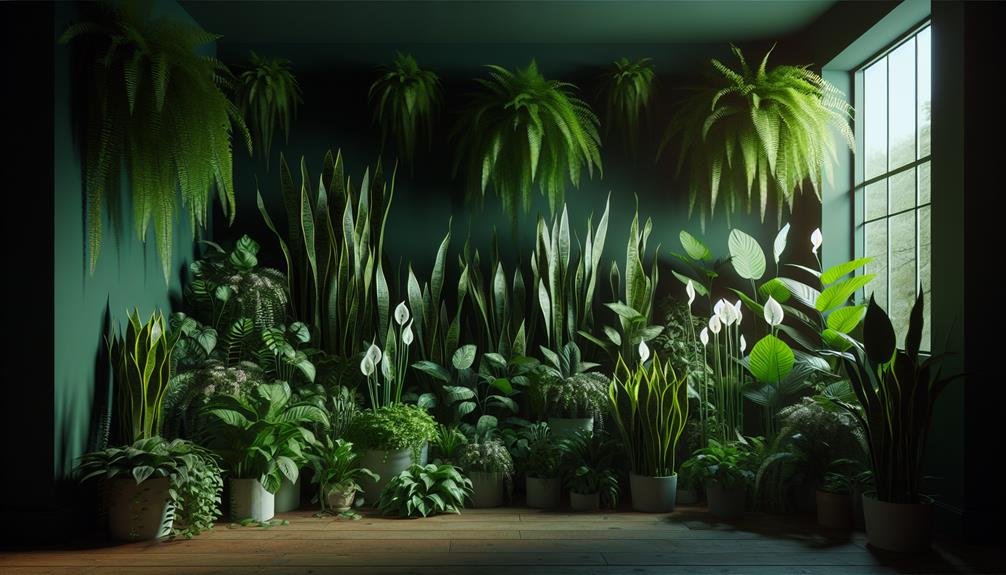
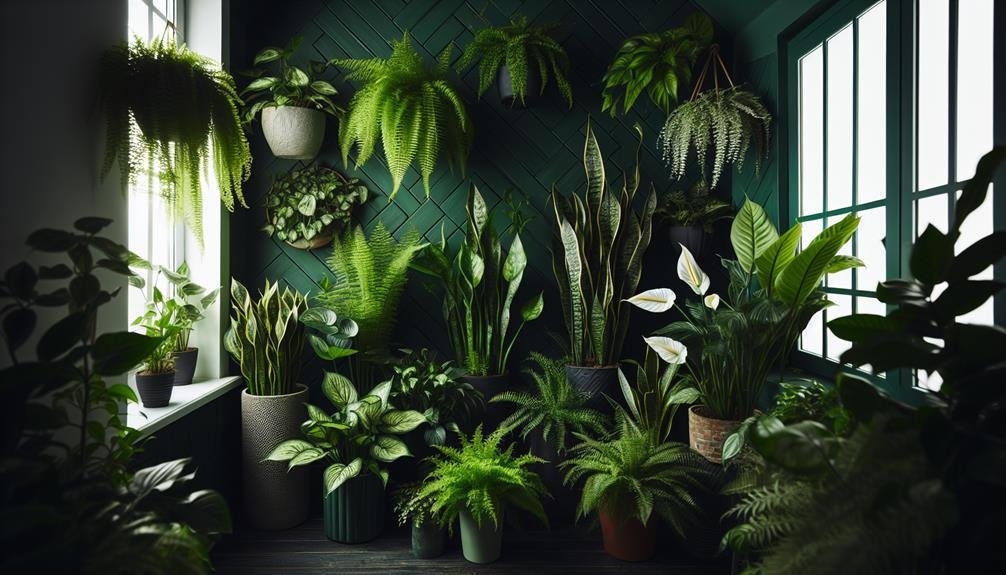
You might think plants have it easy, just soaking up the sun and water, but the world of indoor versus outdoor houseplants can be more complex than meets the eye.
From understanding their distinct care requirements to navigating the challenges of transitioning between environments, there's a lot to unpack when it comes to choosing the best green companions for your home.
So, which plants will thrive indoors, and which ones will flourish under the wide-open sky? Let's explore the nuances and differences that make each type of plant unique in their own right.
Key Differences in Care Requirements
When caring for houseplants, understanding the key differences in care requirements between indoor and outdoor plants is essential for their health and growth.
Indoor plants rely on you for adequate light, as they don't have the sun's natural intensity to help with photosynthesis. Make sure to place them near windows or provide artificial light sources to keep them thriving.
In contrast, outdoor plants benefit from direct sunlight and may require less frequent watering due to increased exposure to natural elements.
Temperature regulation is another crucial factor. Indoor plants prefer stable temperatures, so avoid placing them near drafty windows or heating vents. Outdoor plants, on the other hand, are more adaptable to temperature fluctuations but may need protection from extreme conditions like frost.
Additionally, consider the soil and watering needs. Indoor plants often require more frequent watering as indoor environments tend to be drier. Outdoor plants planted in the ground may need less watering but ensure proper drainage to prevent waterlogging.
Understanding and catering to these key care differences will help your houseplants thrive, whether they're indoors or outdoors.
Popular Indoor Houseplants and Their Benefits
Indoor houseplants offer not only aesthetic appeal but also various benefits for your living space. Popular indoor plants like the Snake Plant aren't just visually pleasing but also act as natural air purifiers by removing toxins.

The Spider Plant is another favorite, known for its ability to combat indoor air pollution and its easy maintenance. Aloe Vera is a versatile plant that not only adds a touch of green to your home but also has healing properties for minor burns and cuts.
The Peace Lily is admired for its elegant white blooms and its knack for improving indoor air quality. These indoor plants not only enhance the ambiance of your living space but also contribute to your overall well-being by reducing stress, increasing productivity, and purifying the air you breathe.
Consider incorporating these popular indoor houseplants into your home to enjoy their aesthetic and health benefits.
Top Outdoor Houseplants for Different Climates
Consider adding some greenery to your outdoor space with top houseplants suited for different climates.
For hot and arid regions, succulents like Aloe Vera and Desert Rose thrive in the intense sun and minimal water conditions.
In tropical climates, consider Bird of Paradise, Hibiscus, or Bromeliads to bring vibrant colors and lush foliage to your garden.
If you live in a cooler climate, plants like Japanese Maple, Rhododendrons, or Hydrangeas can add a touch of elegance to your outdoor space while withstanding colder temperatures.
For those in temperate regions, options like Lavender, Roses, or Daylilies are excellent choices that can tolerate varying weather conditions.
No matter where you live, there are outdoor houseplants that can flourish in your specific climate, adding beauty and life to your surroundings.
Remember to consider the light and temperature needs of these plants to ensure they thrive in their new outdoor home.
Understanding Light and Temperature Needs
To ensure your houseplants thrive, it's crucial to understand their specific light and temperature requirements. Light is essential for photosynthesis, the process by which plants convert light into energy. Different plants have varying light needs; some thrive in bright, direct sunlight, while others prefer indirect or low light conditions. Assess your plant's requirements and place them accordingly. For example, succulents typically need bright light, while ferns prefer filtered light.
Temperature also plays a vital role in the health of your plants. Most houseplants thrive in temperatures between 60-75°F (15-24°C) during the day and slightly cooler at night. Extreme temperature fluctuations can stress plants, so aim to keep the environment stable. Make sure to place plants away from drafts or heating/cooling vents that could impact their temperature needs.
Tips for Successfully Transitioning Plants
When moving your plants between indoor and outdoor environments, ensure a gradual transition to prevent shock and stress on the plants. Sudden changes in light, temperature, and humidity can be detrimental to your plants' health. Start by acclimating them to outdoor conditions by placing them in a shaded area for a few hours each day. Increase their outdoor exposure gradually over the course of a week or two to help them adjust.
Monitor the soil moisture levels closely during this transition period. Outdoor conditions may cause the soil to dry out faster, so you may need to water your plants more frequently. Check the moisture levels regularly and adjust your watering schedule accordingly to prevent dehydration or overwatering.
Inspect your plants regularly for any signs of stress or damage during the transition. Look out for wilting, yellowing leaves, or pest infestations, and take appropriate action promptly. By being attentive and following these transition tips, you can help your plants thrive as they move between indoor and outdoor environments seamlessly.
Frequently Asked Questions
Can I Use the Same Potting Soil for Both Indoor and Outdoor Houseplants?
Yes, you can use the same potting soil for both indoor and outdoor houseplants. It provides the necessary nutrients and drainage for your plants to thrive.
Just make sure to choose a high-quality mix suitable for various plant types. Remember to monitor the moisture levels and adjust watering accordingly, as indoor plants may require less frequent watering than outdoor ones.
Enjoy watching your plants flourish with the right soil!
How Do I Know if My Houseplant Needs to Be Repotted?
To determine if your houseplant needs repotting, check for roots growing through drainage holes or circling the pot surface. Gently lift the plant out of its container to inspect the root system. If roots are tightly packed or there's little soil left, it's time to repot.
Choose a pot one or two sizes larger, add fresh soil, and gently place the plant in its new home. Water thoroughly and watch it thrive!
Are There Any Houseplants That Can Thrive Both Indoors and Outdoors?
Sure!
Yes, some houseplants like spider plants, pothos, and peace lilies can thrive both indoors and outdoors. These plants are versatile and can adapt to different light conditions. Just make sure to gradually acclimate them to the outdoor environment if you decide to move them outside. Keep an eye on their watering needs and adjust accordingly.
Enjoy the beauty of these plants in both your indoor and outdoor spaces!
What Are Some Common Pests or Diseases That Affect Indoor Houseplants?
When caring for indoor houseplants, be aware of common pests and diseases that can affect them. Pests like spider mites and mealybugs, as well as issues such as root rot and powdery mildew, are common culprits.
Regularly inspect your plants for any signs of trouble, and take quick action to address these problems. Proper watering, good air circulation, and maintaining a clean environment can help prevent these issues from arising.
Is It Possible to Overwater Indoor Houseplants?
Yes, it's definitely possible to overwater indoor houseplants. Too much water can lead to root rot and other issues. Make sure you check the soil moisture before watering and allow it to dry out between waterings.
Adjust your watering schedule based on the plant's specific needs and the environment it's in. Remember, it's better to underwater than to overwater when it comes to caring for your indoor plants.
Conclusion
In conclusion, whether you choose to care for indoor or outdoor houseplants, understanding their specific needs is crucial for their growth and well-being.
By taking into consideration factors such as light, temperature, and watering requirements, you can create a thriving environment for your plants.
Remember to research each plant's individual preferences and provide the necessary care to help them flourish in your home or garden.
Happy planting!