You may not be aware that the fascination with vivid houseplant foliage dates back to the opulent Victorian era, where elaborate botanical displays were a symbol of wealth and status.
The evolution of vibrant decor through houseplants tells a captivating story of changing aesthetics and societal influences. From the 1970s houseplant craze to the modern revival of greenery, each era has left its unique imprint on interior design.
Understanding this history can offer valuable insights into the timeless allure of lush houseplant foliage and its role in shaping contemporary living spaces.
The Opulent Victorian Era
During the opulent Victorian era, houseplant foliage became a symbol of status and sophistication in many affluent households. The intricate and lush greenery of plants like ferns, palms, and rubber plants added a touch of elegance to ornate Victorian interiors. Displaying these exotic plants in intricately designed pots and planters showcased not only wealth but also a keen interest in botany and horticulture.
Houseplant care during this era was considered a serious endeavor, with individuals hiring specialized gardeners to tend to their indoor botanical collections. The presence of thriving houseplants was a testament to one's ability to nurture and maintain delicate living organisms, further elevating one's social standing. Additionally, the exotic nature of many houseplants served as a conversation piece during gatherings and social events, displaying the homeowner's worldly knowledge and appreciation for nature's beauty.
In Victorian times, the arrangement and selection of houseplants were meticulously planned to create visually stunning displays that complemented the lavish decor of the era. The popularity of houseplants during this time laid the foundation for the enduring trend of incorporating greenery into interior design.
Houseplant Craze in the 1970s
The 1970s saw a surge in the popularity of houseplants, as they became a staple in many homes and workplaces. This era marked a shift towards embracing nature indoors, with people incorporating a variety of plants like spider plants, philodendrons, and peace lilies into their decor. The houseplant craze of the 1970s was fueled by a growing interest in environmentalism and a desire to bring greenery into urban living spaces.
Houseplants weren't only seen as decorative elements but also as mood enhancers and air purifiers. Their lush foliage added a touch of freshness and vitality to interiors, creating a relaxing and inviting atmosphere. Plant care books and articles on indoor gardening became popular during this time, guiding enthusiasts on how to best nurture their leafy companions.
In addition to their aesthetic appeal, houseplants in the 1970s were also considered symbols of peace, love, and harmony, echoing the values of the era. The trend of incorporating greenery into indoor spaces continued to flourish, setting the stage for the modern revival of houseplants we see today.
Modern Revival of Greenery
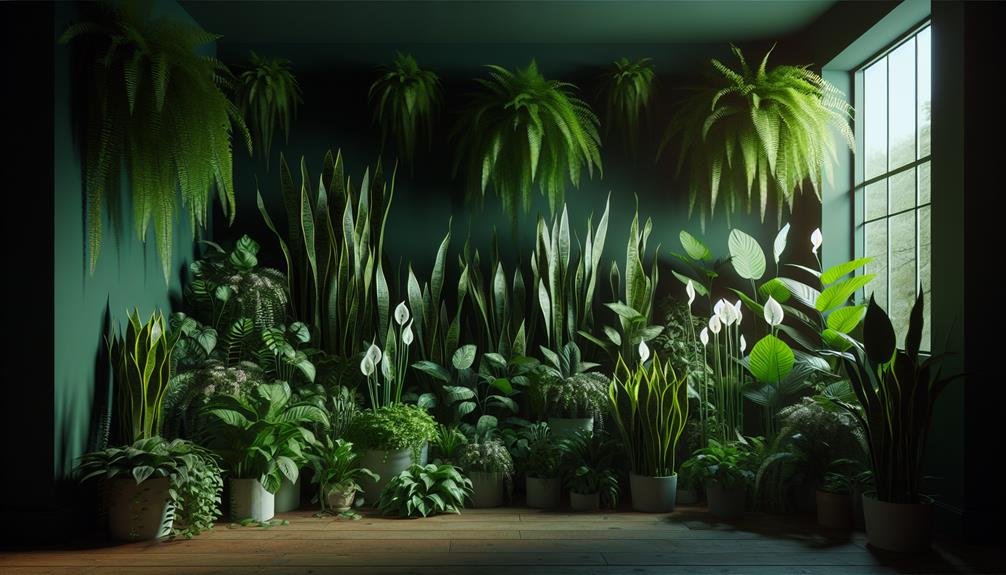
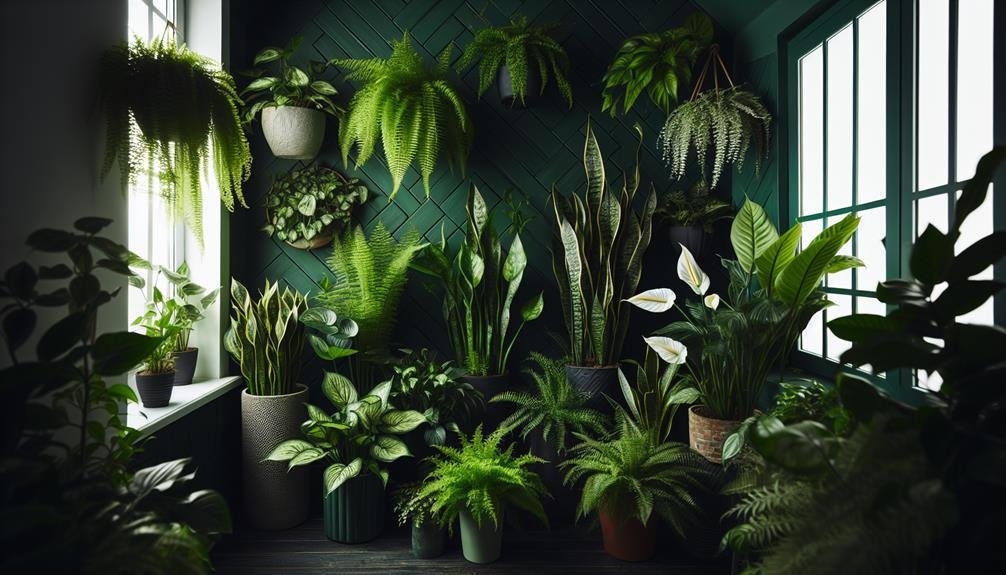
As houseplant trends evolved, the Modern Revival of Greenery has ushered in a new era of botanical enthusiasm in contemporary living spaces. People today are embracing the beauty and benefits of incorporating lush greenery into their homes more than ever before. The resurgence of houseplants isn't just a passing fad; it has become a lifestyle choice for many individuals seeking to create vibrant and refreshing interiors.

One of the key reasons behind this modern revival is the growing awareness of the positive impact that plants have on indoor environments. From improving air quality to reducing stress levels, houseplants offer a multitude of advantages that appeal to the health-conscious modern homeowner. Additionally, the aesthetic appeal of greenery adds a touch of natural elegance to urban dwellings, creating a harmonious balance between the artificial and the organic.
With the rise of social media platforms like Instagram and Pinterest, where plant enthusiasts share their botanical creations, the trend of incorporating greenery into home decor has gained even more momentum. This digital age has facilitated the exchange of ideas and inspiration, fueling the widespread adoption of houseplants as essential elements of modern interior design.
Influence of Tropical Aesthetics
Amidst the growing popularity of houseplants, the allure of tropical aesthetics is making a significant impact on contemporary interior design choices. The vibrant and lush foliage of tropical plants like the Monstera deliciosa, Bird of Paradise, and Fiddle Leaf Fig brings a touch of exotic beauty into your living spaces. These plants often feature large, glossy leaves with intricate patterns, adding a sense of drama and luxury to any room.
Tropical aesthetics go beyond just greenery; they incorporate elements like rattan furniture, bamboo accents, and bright, tropical-themed textiles to create a cohesive and immersive experience. The use of natural materials and earthy tones further enhances the tropical vibe, evoking a sense of being on a permanent vacation in your own home.
Sustainable Foliage Trends
Embracing eco-friendly practices, sustainable foliage trends are reshaping the landscape of interior design. As more people prioritize sustainability and environmental consciousness, houseplant enthusiasts are gravitating towards eco-conscious options. Opting for plants that require less water and maintenance, such as succulents and cacti, is a popular choice in sustainable foliage trends. These plants not only reduce water consumption but also add a modern and minimalist aesthetic to living spaces.
Another sustainable trend gaining traction is the use of repurposed or upcycled plant containers. By giving new life to old jars, cans, or baskets, you can add a unique touch to your indoor garden while reducing waste. Additionally, choosing plants that improve indoor air quality, like snake plants and spider plants, aligns with the sustainable foliage movement by promoting a healthier living environment.
Incorporating sustainable foliage trends into your home decor not only showcases your eco-conscious mindset but also adds a fresh and stylish look to your living spaces. Join the movement towards sustainable interior design and create a greener, more vibrant home.
Frequently Asked Questions
How Do Different Colors of Houseplant Foliage Impact Mood and Atmosphere in a Room?
Different colors of houseplant foliage can impact mood and atmosphere in a room in various ways. Vibrant greens can evoke a sense of vitality and freshness, while deep purples may add a touch of luxury and sophistication.
Bright yellows can bring warmth and cheerfulness, while cool blues create a calming and serene ambiance. By strategically choosing houseplants with different foliage colors, you can tailor the atmosphere of a room to suit your desired mood.
What Are Some Unique Ways to Incorporate Houseplant Foliage Into Home Decor Beyond Traditional Potted Plants?
To add houseplant foliage into your home decor in unique ways, consider hanging planters from the ceiling, creating a living wall with various plants, or placing plants in unconventional containers like teacups or mason jars.
You can also try terrariums, plant shelves, or using plants as centerpieces. Get creative with your placement and mix different plant sizes and textures for a dynamic look.
Experiment and have fun incorporating nature into your living space!
Are There Any Rare or Exotic Houseplant Varieties That Have Gained Popularity in Recent Years for Their Vibrant Foliage?
Sure, in recent years, rare and exotic houseplant varieties with vibrant foliage have become quite popular. Unique specimens like the Calathea orbifolia, Philodendron Pink Princess, and Alocasia Polly are gaining attention for their stunning colors and patterns.
These plants bring a touch of exotic beauty to any space and are perfect for adding a pop of color to your home decor.
How Can Houseplant Enthusiasts Ensure the Long-Term Health and Vibrancy of Their Plants' Foliage?
To keep your houseplant foliage healthy and vibrant for the long haul, focus on proper care routines.
Provide adequate sunlight, water when the soil is dry, and ensure good drainage to prevent root rot.
Regularly dust the leaves to allow for better light absorption.
Keep an eye out for pests and promptly address any issues.
Are There Any Historical or Cultural Traditions Surrounding the Use of Vibrant Houseplant Foliage in Interior Design That Have Been Overlooked in Modern Trends?
Have you ever wondered about the historical or cultural traditions tied to vibrant houseplant foliage in interior design?
It's fascinating to explore if any overlooked practices could enhance modern trends. By delving into the past, you might discover unique ways people used houseplants to brighten their spaces.
Embracing these traditions could add a touch of history and richness to your decor, creating a deeper connection with your plants and home.
Conclusion
In conclusion, the history of vivid houseplant foliage has seen a resurgence in modern decor trends. From the opulence of the Victorian era to the houseplant craze of the 1970s, greenery has always had a place in interior design.
The influence of tropical aesthetics and sustainable foliage trends has further solidified the importance of vibrant plants in our homes. Embrace the beauty and benefits of houseplants to create a lively and inviting space in your own home.