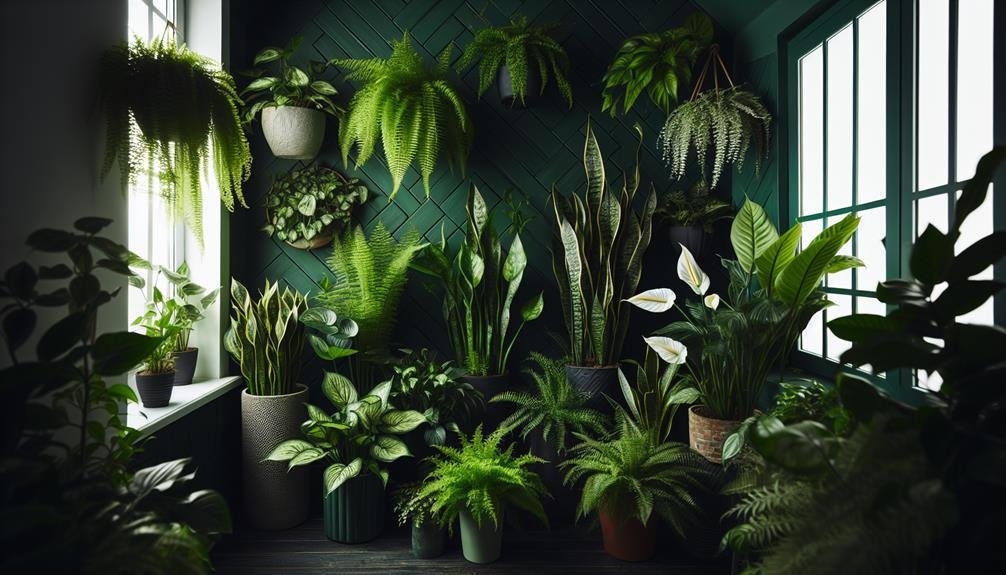
Picture your garden as a delicate ecosystem, a mini jungle where harmony is key. Just like a cautious conductor orchestrating a symphony, you must find the right balance to keep pests at bay without disrupting the natural order.
There are numerous safe and effective ways to tackle plant pests, from welcoming beneficial insects to deploying organic sprays. But how can you ensure that your methods are not only eco-friendly but also genuinely efficient in safeguarding your green haven?
Let's explore the realm of plant pest control together.
Natural Repellents
To keep plant pests at bay naturally, consider using safe and effective natural repellents. Many pests can wreak havoc on your plants, but you don't have to resort to harsh chemicals to protect them. Instead, opt for natural repellents that are both eco-friendly and beneficial for your garden.
One popular natural repellent is neem oil, which is derived from the seeds of the neem tree. Neem oil acts as a deterrent for a wide range of pests, including aphids, mealybugs, and spider mites. Simply dilute the neem oil as directed and spray it on your plants to keep pests away.
Another effective natural repellent is garlic spray. Garlic contains sulfur compounds that repel pests like snails, slugs, and aphids. To make garlic spray, blend garlic cloves with water and strain the mixture. Then, spray it on your plants to deter pests without harming your garden.
Beneficial Insects
Beneficial insects play a crucial role in maintaining a healthy garden ecosystem by preying on harmful pests. These insects, such as ladybugs, lacewings, and hoverflies, are natural predators that help control populations of common garden pests like aphids, caterpillars, and mites. By introducing these beneficial insects into your garden, you can reduce the need for chemical pesticides and promote a more balanced and sustainable pest control approach.
Ladybugs, also known as lady beetles or ladybird beetles, are voracious predators of aphids, scale insects, and mealybugs. Lacewings, with their delicate green or brown wings, feed on aphids, caterpillars, and other soft-bodied insects. Hoverflies, resembling small bees, consume aphids and other sap-sucking pests. These beneficial insects not only help keep pest populations in check but also contribute to the overall biodiversity of your garden.
To attract and retain beneficial insects in your garden, consider planting a variety of flowering plants to provide them with nectar and pollen. Avoid using broad-spectrum insecticides that can harm both harmful and beneficial insects. By encouraging these natural predators, you can effectively manage plant pests while maintaining a healthy and thriving garden ecosystem.
Companion Planting
Attracting beneficial insects through companion planting can further enhance your garden's pest control efforts. By strategically planting certain herbs, flowers, and vegetables together, you can create a natural pest management system. For instance, marigolds are known to repel nematodes when planted near tomatoes, while planting basil near tomatoes can help improve their flavor and repel pests like aphids and hornworms.

Consider planting dill, fennel, or parsley to attract beneficial insects such as ladybugs, lacewings, and parasitic wasps that feed on common garden pests. These insects can help keep populations of harmful pests like aphids, caterpillars, and mites in check. Additionally, planting mint can deter ants, which can protect your plants from aphids that ants often farm for their honeydew secretions.
Companion planting not only helps control pests but also promotes biodiversity in your garden, creating a healthier ecosystem. Remember to research which plants work well together and which ones should be kept apart to maximize the benefits of companion planting in your pest control efforts.
Physical Barriers
Consider using fencing, row covers, or netting as effective physical barriers to protect your plants from pest infestations. These barriers act as a shield, preventing pests from reaching your plants and causing damage. Fencing can keep larger pests like deer or rabbits away from your garden, while row covers and netting are particularly useful for safeguarding plants from flying insects like aphids or caterpillars.
Installing fencing around your garden can be a sturdy defense against ground-dwelling pests. Make sure the fencing extends underground to deter burrowing animals. Row covers, which are lightweight and breathable, can be placed directly over plants. They allow sunlight and water to reach your plants while creating a barrier against pests. Netting, on the other hand, is great for protecting fruit trees or berry bushes from birds.
Organic Sprays
To effectively combat plant pests in a natural way, consider using organic sprays as a safe and eco-friendly solution. Organic sprays are derived from natural ingredients like plant oils, soap, or other organic compounds that target pests while being gentle on your plants. These sprays work by suffocating insects, disrupting their life cycles, or repelling them from your garden.
One popular organic spray is neem oil, which is effective against a wide range of pests like aphids, mealybugs, and spider mites. It works by disrupting the insect's hormonal balance, preventing them from feeding and reproducing. Another common option is insecticidal soap, which is great for controlling soft-bodied pests like whiteflies and thrips.
When using organic sprays, make sure to follow the instructions on the label for the best results. Remember to apply them early in the morning or late in the evening to avoid harming beneficial insects like bees. With organic sprays, you can protect your plants from pests while keeping your garden free from harmful chemicals.
Frequently Asked Questions
Can Plants Be Overwatered as a Pest Control Measure?
Sure!
Overwatering plants isn't an effective method for controlling pests. In fact, it can lead to root rot and other issues that may harm your plants.
Instead, consider using natural remedies like neem oil or introducing beneficial insects to manage pests without causing harm to your plants.
Are There Any Specific Plants That Are Particularly Attractive to Beneficial Insects?
Certain plants can indeed attract beneficial insects to your garden. Flowers like marigolds, dill, and fennel are especially appealing to these helpful critters.
By planting these specific species, you can create a welcoming environment that encourages beneficial insects to take up residence. These insects can then assist in controlling pest populations naturally, reducing the need for harmful pesticides.
Try incorporating these plants into your garden to support a healthy ecosystem.
How Long Do Physical Barriers Typically Need to Be in Place to Effectively Control Plant Pests?
To effectively control plant pests, physical barriers typically need to be in place for a sustained period. This ensures that the pests are kept away from your plants long enough to disrupt their life cycles and prevent damage.
Can Organic Sprays Harm Beneficial Insects in the Garden?
Organic sprays can indeed harm beneficial insects in the garden. Even though they're considered safer than chemical pesticides, some organic sprays can still have a negative impact on beneficial insects.
It's important to carefully choose the type of organic spray you use and apply it sparingly to minimize harm to beneficial insects. Make sure to read and follow the instructions on the product label to use it effectively while protecting the helpful insects in your garden.
Are There Any Natural Repellents That Are Harmful to Pets or Children if Ingested?
When it comes to natural repellents that might be harmful if ingested by pets or children, caution is essential. Look for safe alternatives like essential oils diluted with water or vinegar sprays.
Always keep these products out of reach and store them securely. Remember, prevention is key to avoiding accidental ingestion, so be mindful of where and how you use these repellents around your home and garden.
Conclusion
Overall, there are many safe and effective ways to control plant pests without resorting to harmful chemicals.
By utilizing natural repellents, introducing beneficial insects, practicing companion planting, using physical barriers, and applying organic sprays, you can protect your plants without putting your health or the environment at risk.
Remember, a little bit of prevention and proactive pest management can go a long way in maintaining a healthy garden ecosystem.