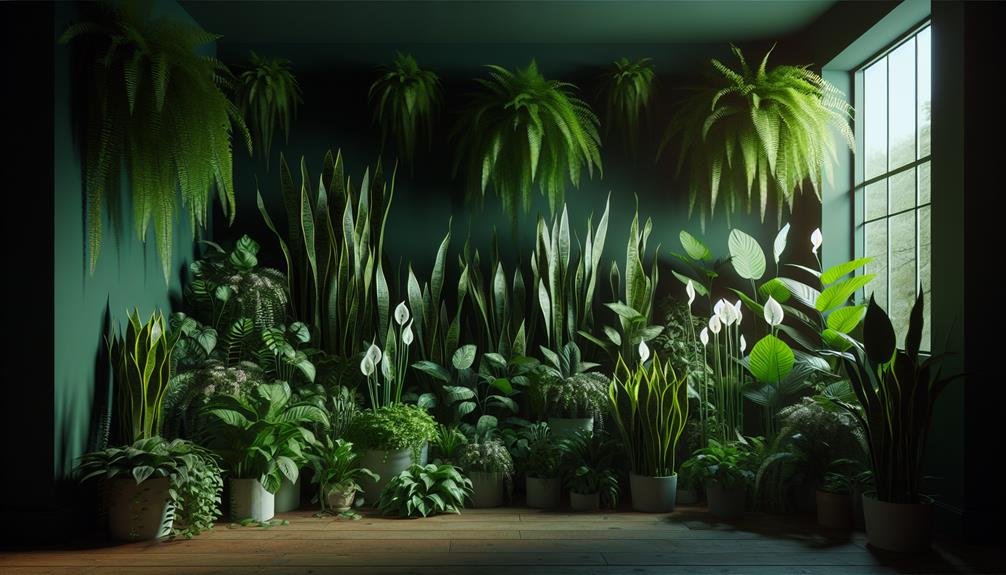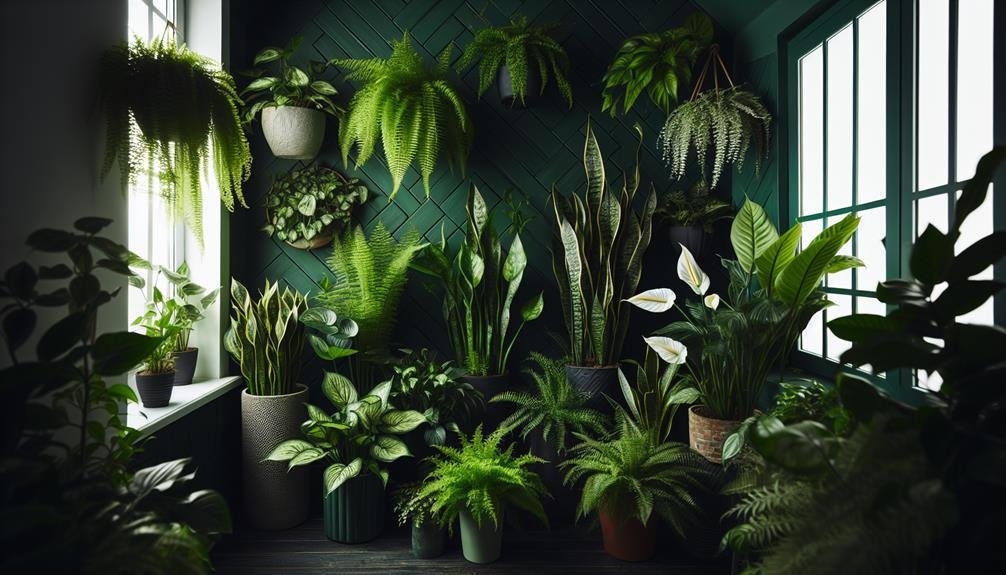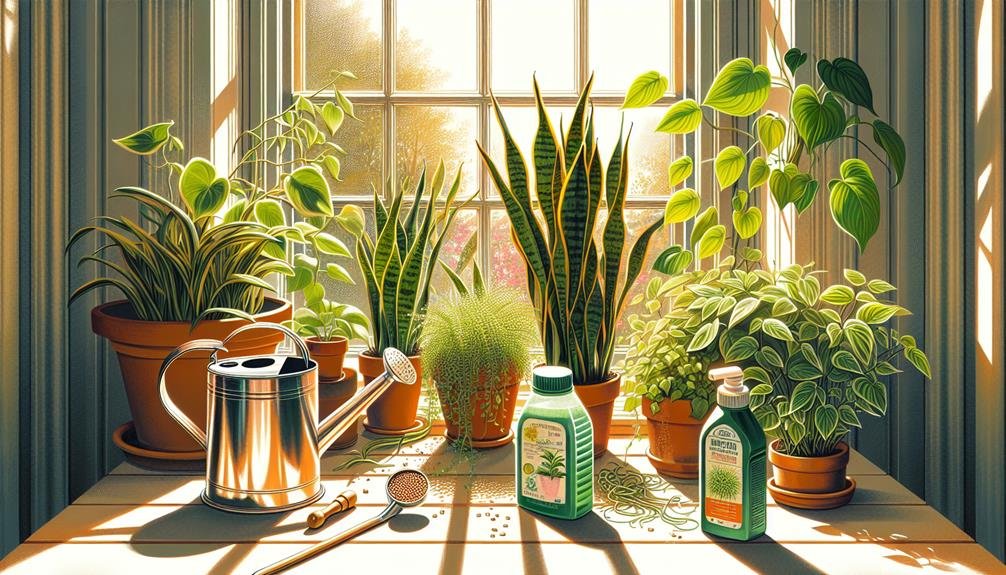
Did you know that indoor plants can increase the humidity in your home by up to 5%?
If you're new to indoor gardening and looking to add some greenery to your space, you might be wondering which plants are best for beginners.
Starting with the right plants can make all the difference in your success as a plant parent.
So, let's explore the top 5 easy-to-care-for indoor plants that are perfect for those just beginning their green journey.
Benefits of Indoor Plants for Beginners
Why should beginner plant enthusiasts consider adding indoor plants to their living space?
Well, first and foremost, indoor plants can significantly improve the air quality in your home. They act as natural air purifiers, absorbing harmful toxins and releasing oxygen, creating a healthier environment for you to breathe in.
Additionally, taking care of indoor plants can be a fulfilling hobby that promotes relaxation and reduces stress. The act of nurturing a living thing can bring a sense of accomplishment and purpose to your daily routine.
Moreover, indoor plants can enhance the aesthetic appeal of your living space. They add a touch of nature and freshness to any room, making it more inviting and vibrant. With a wide variety of plant species available, you can choose plants that complement your decor style and personal preferences.
Lastly, indoor plants can also boost your mood and productivity. Studies have shown that being around plants can increase happiness levels and improve concentration, making them a great addition to your home, especially if you're a beginner looking to benefit from the joys of plant care.
Top 5 Easy-to-Care-For Plants
When choosing indoor plants as a beginner, opt for varieties that are easy to care for and require minimal maintenance. Here are the top five easy-to-care-for plants that are perfect for beginners:

- Snake Plant: Known for its resilience and ability to thrive in low light conditions, the snake plant requires minimal watering and can survive occasional neglect.
- Spider Plant: With its air-purifying qualities and adaptable nature, the spider plant is perfect for beginners. It thrives in indirect light and only needs occasional watering.
- Pothos: Pothos plants are hardy and can tolerate various lighting conditions. They only require watering when the soil is dry, making them ideal for those new to plant care.
- ZZ Plant: The ZZ plant is a low-maintenance plant that can thrive in both low and bright light. It only needs to be watered sparingly, making it an excellent choice for beginners.
- Peace Lily: Peace lilies are resilient plants that can thrive in low light. They indicate when they need water by drooping slightly, making it easy for beginners to know when to water them.
Ideal Light and Water Conditions
To ensure the health and growth of your indoor plants, it's essential to provide them with the ideal light and water conditions. Light is crucial for photosynthesis, so place your plants where they can get the right amount of sunlight. Most indoor plants thrive in bright, indirect light, so consider placing them near a window but out of direct sunlight to prevent burning. If natural light is limited, you can supplement with artificial grow lights designed for plants.
When it comes to watering your indoor plants, it's important to strike a balance. Overwatering can lead to root rot, while underwatering can cause wilting and stunted growth. The frequency of watering will depend on factors like the plant type, pot size, and environmental conditions. A good rule of thumb is to check the soil moisture level before watering by sticking your finger into the soil. If it feels dry an inch below the surface, it's time to water. Remember, every plant has unique needs, so observe and adjust your watering routine accordingly to keep them thriving.
Troubleshooting Common Plant Issues
Addressing common plant issues can greatly enhance your indoor gardening experience and help your plants thrive. When dealing with yellowing leaves, it's often a sign of overwatering. Allow the soil to dry out before watering again and ensure proper drainage to prevent root rot.
If your plant's leaves are turning brown and crispy, it could indicate underwatering. Increase your watering frequency, but be careful not to drown the roots. Leggy or stretching plants are usually not getting enough light. Move them closer to a window or provide supplemental artificial light.
Pests like spider mites and mealybugs can harm your plants. Wipe the leaves with a damp cloth or spray them with insecticidal soap. Fungus gnats are another common issue, often a result of overwatering. Allow the soil to dry out more between waterings and consider using yellow sticky traps to catch adult gnats.
Tips for Successful Indoor Gardening
For a thriving indoor garden, ensure proper lighting, watering, and pest management. Place your plants near windows for sufficient sunlight or consider using grow lights for darker areas. Rotate your plants regularly to ensure even growth.
When watering, check the soil moisture levels by sticking your finger in; water only when the top inch is dry. Overwatering can lead to root rot, so be cautious. Use well-draining pots to prevent waterlogging. Implement a watering schedule based on your plant's needs and adjust it according to seasonal changes.
Pest management is crucial. Inspect your plants regularly for any signs of pests like webs, holes, or sticky residue. If you spot any, isolate the affected plant to prevent the pests from spreading. Treat the infestation promptly using natural remedies or insecticidal soap. Remember to follow the instructions carefully to avoid harming your plants.
Frequently Asked Questions
How Can I Prevent My Indoor Plants From Attracting Pests and Insects?
To prevent pests and insects from bothering your indoor plants, you can start by regularly inspecting them for any signs of infestation. Wiping the leaves with a damp cloth can help remove any pests present.
Additionally, maintaining good air circulation around your plants and avoiding overwatering can make the environment less attractive to pests. Consider using natural pest control methods like neem oil or insecticidal soap if needed.
Are There Any Indoor Plants That Are Safe for Pets to Be Around?
When it comes to indoor plants safe for pets, you'll want to choose varieties that won't harm your furry friends if they decide to take a nibble.
Some pet-friendly options include spider plants, Boston ferns, and parlor palms. These plants are non-toxic to cats and dogs, making them a great choice for your home.
Just remember to keep an eye on your pets and the plants to ensure everyone stays happy and healthy.
What Are Some Ways to Improve Air Circulation and Humidity for Indoor Plants?
To improve air circulation and humidity for your indoor plants, you can take several steps.
You can place a small fan nearby on low speed to keep the air moving. Regularly misting the plants with water can also help increase humidity levels. Grouping plants together can create a microclimate that benefits their growth.
Remember to monitor moisture levels in the soil and adjust watering accordingly to maintain a healthy environment for your plants.
Can I Use Tap Water to Water My Indoor Plants, or Should I Use Filtered Water?
You can use tap water to water your indoor plants, but filtered water is often better. Tap water can contain chemicals and minerals that might harm your plants over time.
Filtered water helps prevent these issues, providing cleaner water for your plants to thrive. Consider using filtered water to give your indoor plants the best chance at growing strong and healthy.
How Often Should I Repot My Indoor Plants, and What Signs Should I Look for That Indicate They Need to Be Repotted?
When it comes to repotting your indoor plants, it's important to keep an eye out for signs that they may need a new home. Look for roots growing out of the drainage holes or circling the pot's surface.
Generally, you should consider repotting every 1-2 years for most plants to provide fresh soil and space for growth. Be sure to choose a new pot that's slightly larger to accommodate your plant's expanding root system.
Conclusion
Now that you know the benefits of indoor plants and the top 5 easy-to-care-for plants, you're ready to start your indoor gardening journey!
Remember to place your plants in ideal light and water conditions, troubleshoot any common issues that may arise, and follow our tips for success.
With a little love and attention, your indoor plants will thrive and bring a touch of nature into your home.
Happy gardening!