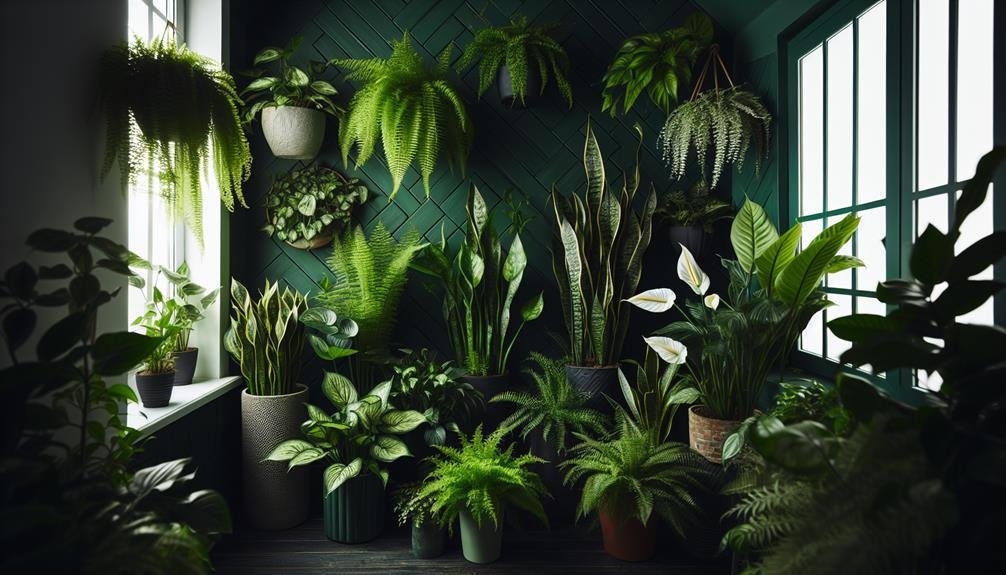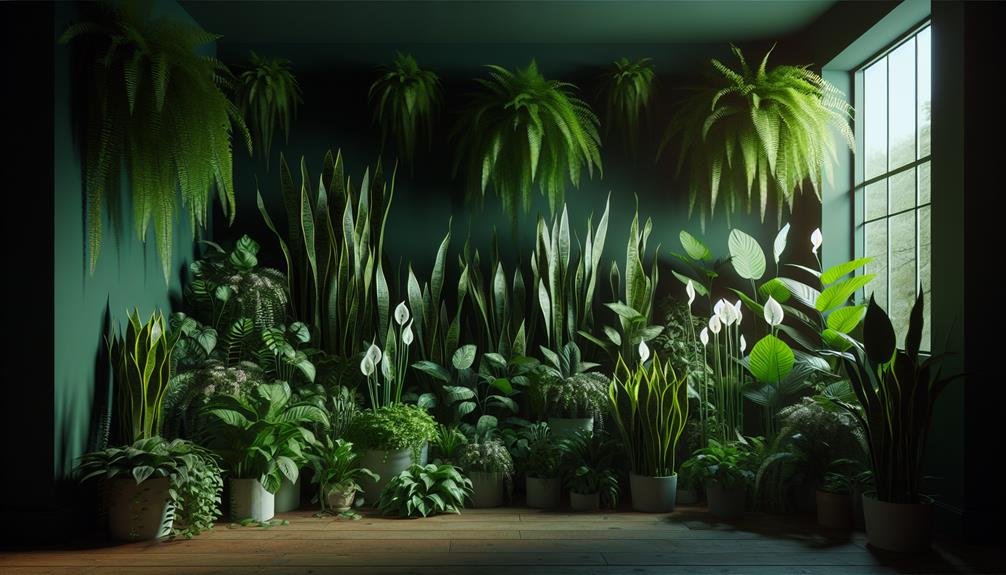
In the dim corners of your living space, where light struggles to reach, there exists a realm of green possibilities waiting to thrive.
But which plants can truly withstand the shadows and breathe life into these light-deprived areas of your home?
Discover the secrets of selecting the perfect indoor companions that require minimal light to flourish and add a touch of nature to even the darkest corners of your dwelling.
Benefits of Low Light Indoor Plants
When choosing indoor plants for low light conditions, you'll benefit from their ability to thrive in environments with minimal natural sunlight. Low light indoor plants have adapted to survive in shaded areas, making them ideal for spaces with limited access to sunlight. These plants are often low-maintenance, requiring less frequent watering and care compared to their sun-loving counterparts.
Another advantage of low light indoor plants is their ability to purify the air. Plants like the peace lily, snake plant, and spider plant are known for their air-purifying properties, helping to remove toxins and improve air quality in your home. Having these plants around can contribute to a healthier living environment for you and your family.
Additionally, low light indoor plants can add beauty and greenery to any room, even those with the least amount of natural light. Their lush foliage and unique shapes can enhance the aesthetic appeal of your space, creating a more welcoming and relaxing atmosphere. So, next time you're looking to brighten up a dimly lit area, consider bringing in some low light indoor plants to enjoy these benefits.
Top 5 Low Light Houseplants
For selecting the best low light houseplants, consider the following top 5 options that thrive in minimal sunlight conditions.
- Snake Plant: Also known as Mother-in-law's Tongue, this plant is virtually indestructible and can survive in low light with infrequent watering.
- Peace Lily: These elegant plants with glossy leaves and white flowers can flourish in low light, purifying the air while adding beauty to your space.
- Spider Plant: Ideal for beginners, spider plants are resilient and can thrive in various light conditions, including low light areas.
- ZZ Plant: With its attractive glossy leaves, the ZZ plant is a great low light option that requires minimal care and can add a touch of green to any room.
- Parlor Palm: This graceful plant can thrive in low light, making it perfect for brightening up dim corners of your home.
These top 5 low light houseplants not only survive but thrive in minimal sunlight, making them excellent choices for spaces with little natural light.
Care Tips for Low Light Plants
To ensure your low light plants thrive, it's important to understand the specific care requirements tailored to their light conditions. Low light plants may require less frequent watering compared to those in brighter conditions. Be sure to check the soil moisture with your finger before watering to prevent overwatering, which can lead to root rot.
These plants also benefit from occasional misting to provide them with the humidity they need. While they may not need as much light, it's essential to dust their leaves regularly to ensure they can still absorb what light is available efficiently.

Fertilizing low light plants should be done sparingly, as they don't grow as quickly in low light conditions. Use a diluted, balanced fertilizer once every few months during their growing season. When repotting low light plants, choose a slightly larger pot to provide them with room to grow but avoid going too big, as excess soil can retain moisture and lead to issues.
Creative Ways to Display Low Light Plants
Enhance your living space with low light plants by getting creative in how you display them. Utilize hanging planters near windows to maximize light exposure without taking up floor space. Consider placing plants on shelves or bookcases to add a touch of greenery at different heights in the room.
Mix and match plant sizes and types to create visual interest and depth in your plant display. Incorporate small potted plants on side tables or countertops to bring life to unused spaces. For a more dramatic effect, group several plants together in a corner or on a plant stand to create a mini indoor garden.
Don't forget to rotate your plants occasionally to ensure even growth and exposure to light. By experimenting with various display options, you can transform your living space into a lush and vibrant oasis, even in low light conditions.
Troubleshooting Common Issues
If you notice your low light plants aren't thriving, troubleshoot common issues by checking for signs of overwatering or inadequate light exposure.
Overwatering is a common problem that can lead to root rot and other issues. Ensure your plant's pot has proper drainage and allow the soil to dry out slightly between waterings. Yellowing or browning leaves can indicate overwatering.
On the other hand, inadequate light exposure may cause your plants to become leggy or exhibit slow growth. Consider moving them to a brighter spot, but avoid direct sunlight, which can harm low light plants.
Additionally, dusty leaves can hinder photosynthesis, so gently wipe them with a damp cloth to remove any buildup. Pests like spider mites and fungus gnats can also affect your plants' health. Use natural remedies or insecticidal soap to combat these intruders.
Frequently Asked Questions
Can Low Light Indoor Plants Survive in Rooms With No Windows?
Yes, low light indoor plants can survive in rooms with no windows. However, they'll need some form of light source to thrive. Consider using grow lights to provide the necessary light for these plants to survive and grow.
Without any natural light, it's crucial to ensure that they receive adequate artificial light to support their growth and health. Remember to monitor their light exposure and adjust as needed for optimal growth.
How Often Should I Water Low Light Houseplants Compared to Plants That Require More Light?
Water low light houseplants less frequently than plants that require more light. Check the soil moisture by feeling it with your finger. If it feels dry about an inch deep, it's time to water.
Overwatering can lead to root rot, so it's better to underwater than overwater. Adjust the watering schedule based on the specific needs of each plant. Remember, it's always easier to add more water than to remove excess water.
Are There Any Low Light Plants That Are Safe for Pets to Be Around?
When it comes to finding low light plants safe for pets, you'll want to choose options that won't harm your furry friends if they decide to nibble on them. Some pet-friendly options include spider plants, ferns, and prayer plants.
These plants aren't only easy to care for in low light conditions but also pose minimal risk to your pets if ingested. Remember to keep an eye on your plants and pets to ensure a safe environment.
Can Low Light Plants Help Improve Air Quality in a Room?
Low light plants can definitely help improve air quality in a room. They absorb carbon dioxide and release oxygen through photosynthesis, which can enhance the overall air quality.
Having these plants around can also reduce certain air pollutants, making the environment healthier for you.
What Are Some Unique Ways to Incorporate Low Light Plants Into a Small Living Space?
To incorporate low light plants into a small living space, get creative with shelving or hanging planters. Utilize vertical wall space or place them on windowsills to maximize light exposure.
Grouping plants together can create a lush mini indoor garden. Consider plants with different textures and heights for visual interest. Remember to rotate them occasionally for even growth.
These strategies can transform your space into a green oasis.
Conclusion
Overall, low light indoor plants are a great addition to any space, adding a touch of greenery and life even in the darkest corners of your home.
With the right care and attention, these plants can thrive and bring a sense of calm and beauty to your indoor environment.
Whether you choose a snake plant, pothos, or peace lily, there are plenty of options to choose from to brighten up your space.