Imagine your home as a sanctuary, a place where you can breathe freely and deeply. Just like a well-tended garden nurtures vibrant blooms, certain indoor plants can work silently to cleanse the air you breathe every day.
Have you ever wondered which plants not only add a touch of green to your living space but also enhance the air quality around you? Stay tuned to discover the top indoor plants that can be your allies in creating a healthier environment indoors.
Benefits of Indoor Plants
Indoor plants not only beautify your living space but also actively contribute to purifying the air you breathe. These green companions are nature's air purifiers, absorbing harmful toxins like formaldehyde and benzene while releasing oxygen. By simply adding a few indoor plants to your home, you can significantly improve the air quality and create a healthier environment for yourself and your loved ones.
Aside from their air-purifying abilities, indoor plants also have a positive impact on your mental well-being. Studies have shown that caring for plants can reduce stress, boost mood, and increase productivity. The presence of greenery indoors can create a calming atmosphere, promoting relaxation and enhancing your overall quality of life.
Furthermore, indoor plants can help regulate humidity levels, reduce noise, and even act as natural air fresheners. With a variety of plant options available, from low-maintenance succulents to vibrant flowering plants, there's a perfect match for every home and individual preference. So, why not invite these natural air purifiers into your living space and enjoy the multitude of benefits they bring?
Top Air-Purifying Indoor Plants
When considering air-purifying indoor plants for your home, prioritize those that are known for their efficiency in removing toxins.
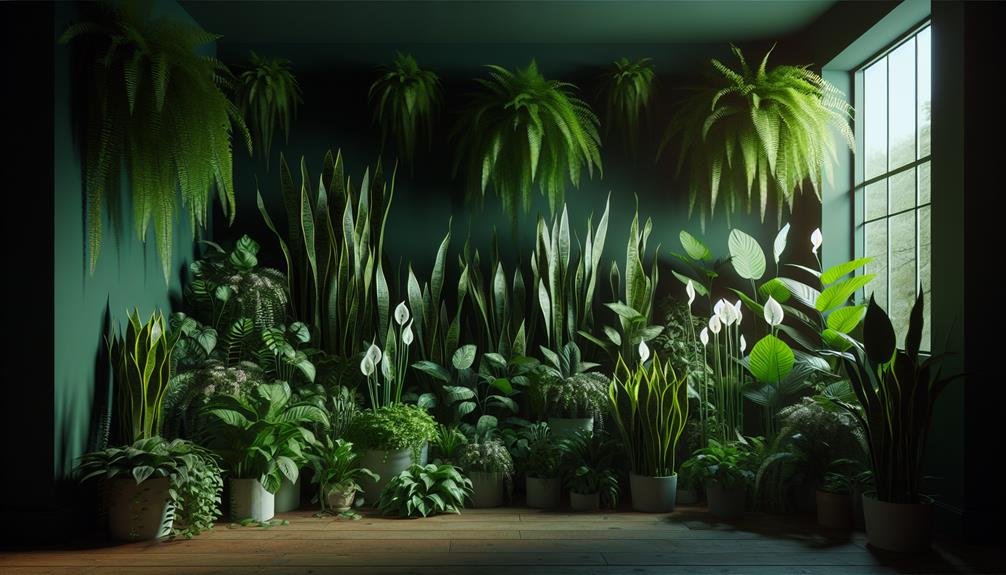
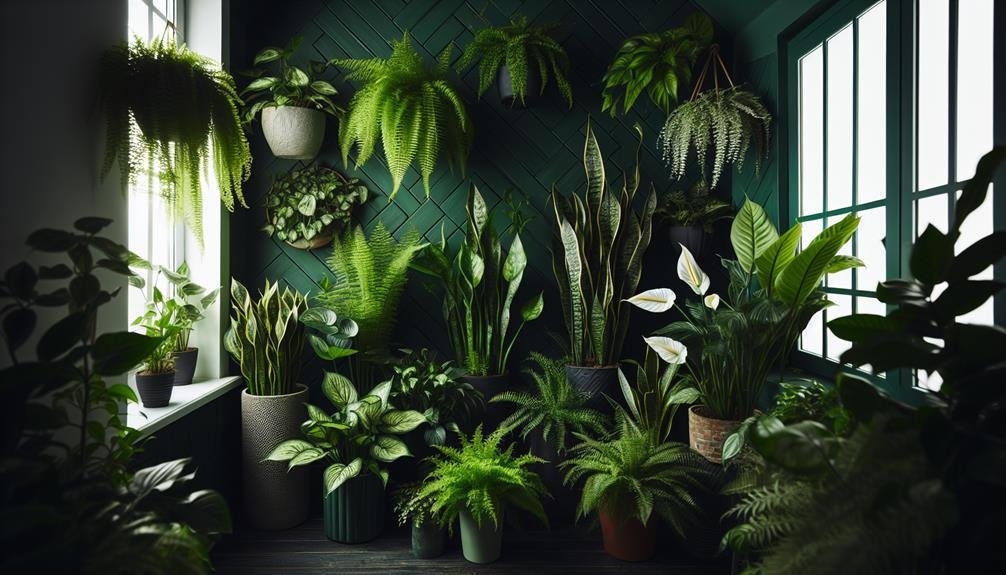
Some of the top air-purifying indoor plants include the Spider Plant, which is excellent at removing formaldehyde and xylene, and the Peace Lily, known for filtering out benzene and trichloroethylene.
Another great option is the Snake Plant, which is effective in removing formaldehyde, benzene, and carbon monoxide. The Aloe Vera plant not only has air-purifying properties but also offers the added benefit of its healing gel.
Additionally, the Rubber Plant is highly efficient in eliminating toxins like formaldehyde from indoor air. The Pothos plant is a popular choice for its ability to clear formaldehyde, benzene, and carbon monoxide.
Lastly, the Boston Fern is great for removing pollutants like xylene and formaldehyde, making it a valuable addition to your indoor plant collection.

Plant Care Tips for Air Quality
To maintain optimal air quality in your home, proper care of your air-purifying indoor plants is key. Here are some essential plant care tips to ensure that your indoor plants are effectively improving the air quality in your living space.
Firstly, make sure to place your plants in areas where they can receive adequate sunlight. Most air-purifying plants thrive in indirect sunlight, so be mindful of their specific light requirements.
Additionally, water your plants regularly, but be cautious not to overwater them as this can lead to root rot. It's crucial to monitor the moisture levels in the soil and adjust your watering schedule accordingly.
Furthermore, dust the leaves of your plants regularly to prevent dust buildup, which can hinder their ability to purify the air.
Lastly, consider fertilizing your plants occasionally to ensure they've the nutrients needed to thrive and effectively clean the air in your home. By following these simple care tips, you can maximize the air-purifying benefits of your indoor plants.
Best Plants for Low Light
For optimal air quality in spaces with limited natural light, consider selecting indoor plants that thrive in low-light conditions.
When looking for plants that can thrive in low-light environments, options like the snake plant, pothos, and peace lily are excellent choices.
Snake plants are known for their ability to survive in almost any lighting condition and are great for purifying the air.
Pothos, with their trailing vines, aren't only aesthetically pleasing but also effective at removing toxins from the air.
Peace lilies are another top contender, with their beautiful white blooms and air-purifying qualities.
These plants are perfect for offices, bathrooms, or any room with minimal sunlight. Remember to regularly water these plants and keep an eye on their growth to ensure they remain healthy in low-light settings.
Creating a Healthy Indoor Environment
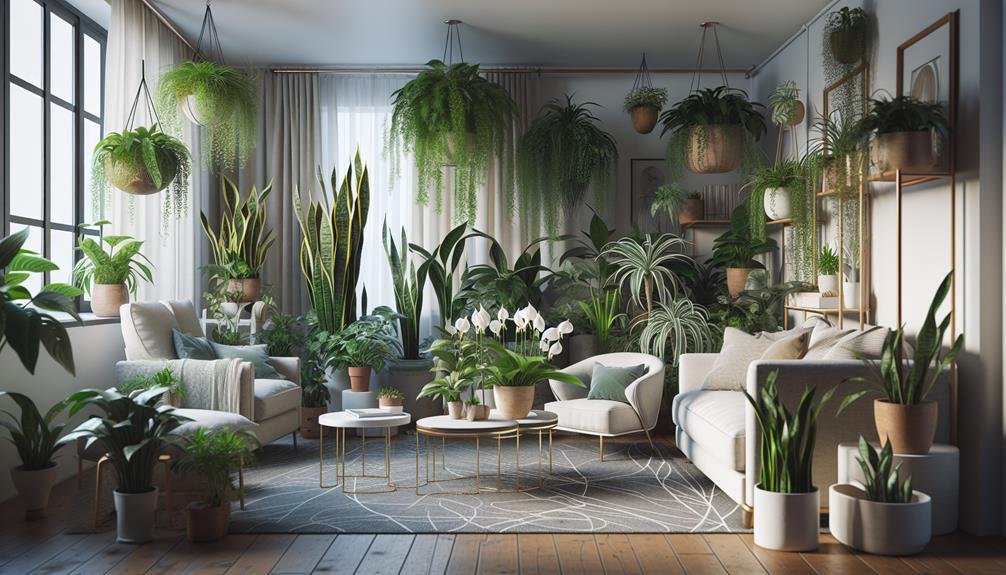
Consider the overall layout and placement of your indoor plants to enhance air quality and create a healthier indoor environment. Place plants strategically near areas where you spend the most time, such as your living room or workspace. This way, you can maximize the benefits of cleaner air where you need it most.
Additionally, group plants together to create microclimates that boost humidity levels and improve air quality. Be mindful of overwatering, as excessively damp soil can lead to mold growth and affect air quality negatively. Regularly dust the leaves of your plants and keep them healthy to ensure they can effectively purify the air.
Integrate a variety of plant species to diversify the types of toxins they can filter out. By incorporating plants like spider plants, peace lilies, and pothos, you can target a broader range of indoor pollutants. Remember that proper care and placement of indoor plants are key factors in fostering a healthier indoor environment.
Frequently Asked Questions
Can Indoor Plants Completely Eliminate All Toxins in the Air?
Indoor plants can help improve air quality by filtering out toxins and releasing oxygen. While they're beneficial, they may not completely eliminate all toxins in the air.
To achieve optimal results, it's recommended to use a combination of plants and ensure proper ventilation in your living space.
Regularly maintaining your plants and keeping them healthy can enhance their air-purifying abilities.
Do Indoor Plants Have Any Negative Effects on Air Quality?
Indoor plants typically don't have negative effects on air quality. They can help by absorbing pollutants and releasing oxygen.
However, in some cases, overwatering or poor drainage can lead to mold growth which might affect air quality negatively. To prevent this, ensure proper care for your plants and maintain good ventilation.
How Often Should Indoor Plants Be Watered to Maintain Optimal Air Purification?
To keep your indoor plants thriving and maintaining optimal air purification, it's essential to water them appropriately. Overwatering can lead to root rot, so it's crucial to strike a balance.
Generally, a good rule of thumb is to check the soil moisture level before watering. Depending on the plant type and environmental conditions, you may need to water your plants once a week or every few days to ensure they stay healthy and effective at purifying the air.
Are There Any Specific Indoor Plants That Are Known to Improve Mental Health in Addition to Air Quality?
When it comes to specific indoor plants that can boost mental health along with air quality, you're in luck! Certain plants, like lavender, jasmine, and aloe vera, are known for their calming and mood-boosting properties.
Placing these green companions in your living space can help create a more serene and peaceful environment, promoting both cleaner air and a sense of well-being. So go ahead and bring some green therapy into your home!
Can Indoor Plants Help Reduce the Spread of Airborne Illnesses in a Home or Office Setting?
Indoor plants can indeed help reduce the spread of airborne illnesses in your home or office. They act as natural air purifiers by filtering out toxins and increasing humidity levels, which can in turn decrease the survival rate of certain viruses and bacteria.
Conclusion
Overall, incorporating air-purifying indoor plants into your home is a simple and effective way to improve air quality and create a healthier indoor environment.
With a variety of low-maintenance options available, you can easily find plants that suit your space and lifestyle.
By taking care of your plants and ensuring they receive proper light and water, you can enjoy the benefits of cleaner air and a more vibrant living space.