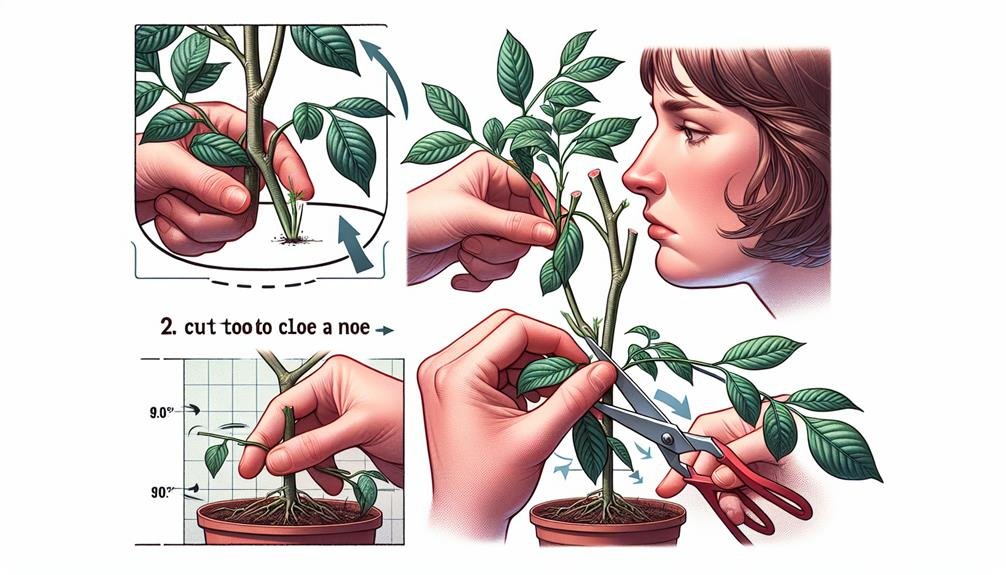
When propagating plants, did you know that overwatering is a mistake that 90% of beginners tend to make?
It's crucial to understand the common errors that can hinder the growth of your new plant babies.
From improper lighting to neglecting humidity levels, each misstep can impact the success of your propagation journey.
Stay tuned to uncover the key pitfalls to avoid and ensure your plants thrive in their new environment.
Overwatering
Avoid overwatering your plants to prevent root rot and other issues that can hinder successful propagation. Overly damp soil deprives the roots of oxygen, leading to root rot, a common problem that can quickly kill your plants. When propagating, it's crucial to strike a balance with watering to ensure optimal growth conditions.
To prevent overwatering, always check the moisture level of the soil before watering again. Stick your finger about an inch into the soil – if it feels dry, it's time to water. Ensure your pots have proper drainage holes to allow excess water to escape, preventing waterlogging. Additionally, consider using a well-draining potting mix to help regulate moisture levels effectively.
Improper Lighting
Insufficient lighting can hinder the successful propagation of plants by impeding their ability to photosynthesize effectively. When propagating plants, it's crucial to provide them with the right amount of light. Without adequate light, plants struggle to produce the energy needed for growth, which can lead to weak or stunted propagation.
To ensure proper lighting for your propagated plants, place them in a location where they can receive sufficient natural light or supplement with artificial light if necessary. Different plants have varying light requirements, so it's essential to research the specific needs of the plants you're propagating.
Remember that too much light can also be detrimental, causing issues like sunburn or heat stress. Monitor your plants regularly to ensure they're receiving the right amount of light for optimal growth during the propagation process.
Using Dirty Tools
Dirty tools can introduce harmful pathogens to your plants during the propagation process, potentially hindering their growth and health. When you use tools that haven't been properly cleaned and sanitized, you risk transferring diseases and pests to your plant cuttings. To prevent this, make sure to regularly clean your tools before and after each use.

To clean your tools, start by removing any dirt or debris with a brush or cloth. Then, wash them with warm, soapy water to remove any remaining residue. After washing, rinse the tools thoroughly and dry them completely before using them again.
You can also disinfect your tools by soaking them in a solution of one part bleach to nine parts water for about 30 minutes, then rinse and dry them.
Neglecting Humidity Levels
Neglecting humidity levels can significantly impact the successful propagation of your plants, affecting their ability to root and thrive. Proper humidity is crucial for the development of new roots during the propagation process. When humidity levels are too low, plants can lose moisture through their leaves faster than they can absorb it from the soil, leading to wilting and potential failure to root.
On the other hand, excessively high humidity levels can create a breeding ground for mold, fungus, and rot, which can harm your plant cuttings.
To ensure optimal humidity levels, consider using a propagation dome or a misting system to maintain a consistent environment around your cuttings. You can also place a tray of water near your plants to increase ambient moisture. Monitoring humidity levels regularly with a hygrometer is essential to make adjustments as needed.
Skipping Proper Rooting Hormones
Properly applying rooting hormones is crucial for successful plant propagation, enhancing the chances of successful rooting and healthy growth. When propagating plants, skipping the use of rooting hormones can significantly reduce the success rate of your propagation efforts. Rooting hormones contain auxins, which are plant growth regulators that stimulate root development and help plants establish themselves in new soil.
Without rooting hormones, the plant may struggle to grow roots quickly and robustly, leading to a higher risk of transplant shock or even failure to thrive. Rooting hormones come in different forms such as powders, gels, or liquids, and choosing the right type for your specific plant species can make a significant difference in the success of your propagation.
To ensure proper application, follow the instructions on the rooting hormone product carefully. Dip the cut end of the stem or leaf in the rooting hormone before planting it in the propagation medium. By incorporating rooting hormones into your propagation process, you give your plants the best possible chance to establish strong roots and thrive in their new environment.
Frequently Asked Questions
Can I Use Tap Water for Watering My Propagated Plants, or Should I Use Filtered or Distilled Water?
You should avoid using tap water for watering your propagated plants as it may contain chemicals or minerals that could harm them. Opt for filtered or distilled water instead to ensure the best care for your plants.
Water quality is key to successful propagation, so make this simple switch to give your plants the best chance to thrive and grow strong. Your plants will thank you for the extra care!
How Often Should I Check the Humidity Levels for My Propagated Plants, and What Are Some Signs of Low Humidity?
Check the humidity levels for your propagated plants regularly. Signs of low humidity include dry or crispy leaves, slow growth, and browning leaf edges.
To keep your plants healthy, consider misting them or using a humidifier. Be attentive to the moisture levels in the air to ensure optimal conditions for successful propagation.
Your plants will thrive with the right humidity levels.
Are There Any Natural Alternatives to Store-Bought Rooting Hormones That Can Be Used for Propagating Plants?
When propagating plants, you can use natural alternatives instead of store-bought rooting hormones. Some options include using honey, cinnamon, or aloe vera gel as rooting agents. These alternatives can help stimulate root growth in your propagated plants without the need for commercial products.
Experiment with these natural options to see what works best for your plants and enjoy the process of propagating without relying on store-bought solutions.
How Can I Tell if My Plant Is Not Getting Enough Light, Even if It Is Placed in a Sunny Spot?
If your plant isn't getting enough light, even in a sunny spot, you may notice signs like leggy growth, pale leaves, or the plant leaning towards the light source.
To ensure your plant thrives, consider moving it to a brighter location, rotating it regularly, or supplementing with artificial light.
Monitoring your plant's response to light conditions can help you provide the optimal environment for its growth.
Is It Necessary to Use New or Sterilized Tools Every Time I Propagate a New Plant, or Can I Clean and Reuse the Same Tools?
When propagating plants, it's crucial to use new or sterilized tools each time. Reusing tools without proper cleaning can spread diseases and pests to your new plants.
It's best to keep your tools clean and sanitized to ensure successful propagation and healthy plants. Remember, a little effort in maintaining your tools goes a long way in protecting your plants.
Conclusion
Avoiding common mistakes when propagating plants is crucial for their successful growth. Remember to water your plants properly, provide adequate lighting, use clean tools, monitor humidity levels, and use rooting hormones when necessary.
By being mindful of these factors, you can ensure that your propagated plants thrive and flourish. So, take care to avoid these mistakes and enjoy watching your plants grow and thrive!