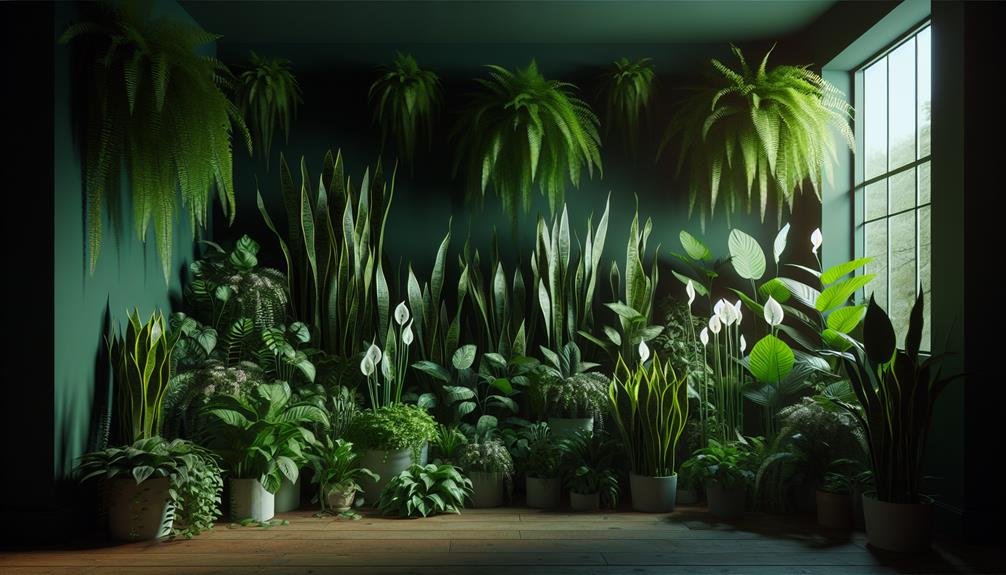
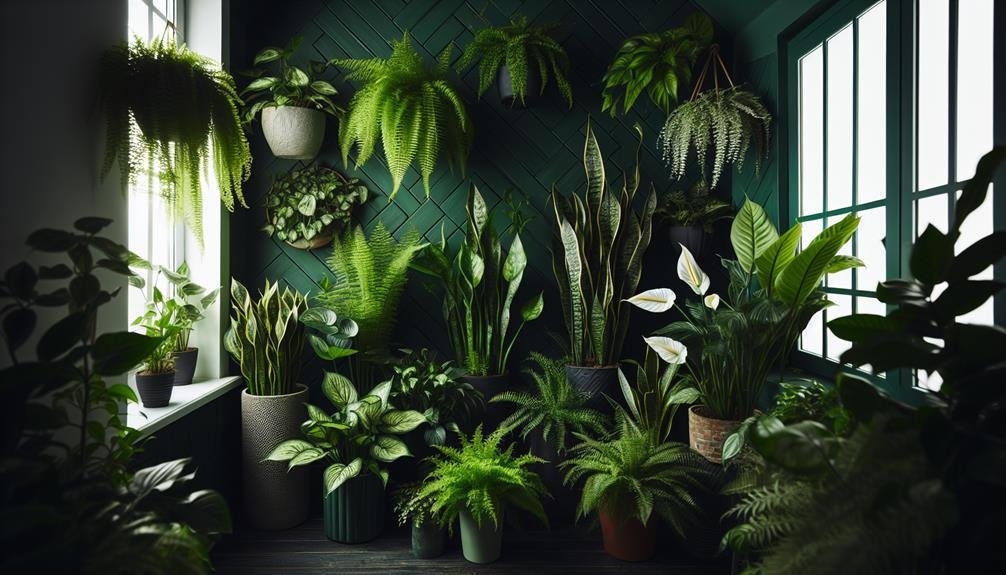
Looking to add some greenery to your space but unsure where to start? With the myriad of options available, it can be overwhelming to choose the right plant. However, fear not, as there are a few small plants that are perfect for beginners.
These plants not only require minimal care but also have a high chance of thriving even if you lack a green thumb. Stay tuned to discover which small plants will kickstart your journey into the world of indoor gardening.
Pothos
Pothos, also known as devil's ivy, is a popular choice for beginner plant enthusiasts due to its low maintenance and forgiving nature. You'll find this plant to be a great companion as you begin your journey into the world of indoor gardening. Pothos thrives in various lighting conditions, making it adaptable to different environments. Its heart-shaped leaves add a touch of greenery to any space, brightening up even the dimmest corners of your home.
Caring for Pothos is a breeze. You only need to water it when the top inch of soil feels dry, typically every 1-2 weeks. Trim any yellowing leaves to keep your plant looking lush and healthy. Pothos is also excellent at purifying the air, making it a functional and decorative addition to your home. With proper care, your Pothos will grow long trails of vibrant leaves, creating a beautiful cascade of green that you'll enjoy for years to come.
Snake Plant
Easy to care for and visually striking, the Snake Plant is a top choice for beginners looking to add a touch of green to their indoor spaces. With its upright, sword-shaped leaves that come in various shades of green and yellow, this plant can thrive in a wide range of conditions. One of the Snake Plant's most appealing features is its ability to tolerate low light levels, making it perfect for rooms with minimal sunlight.
When it comes to maintenance, you'll be pleased to know that Snake Plants are forgiving of irregular watering schedules. In fact, overwatering is more likely to harm them than underwatering. These plants prefer to dry out between waterings, so a good rule of thumb is to water them every 2-6 weeks, depending on the humidity levels in your home.
Another benefit of the Snake Plant is its air-purifying qualities. It can help remove toxins like formaldehyde and benzene from the air, promoting a healthier indoor environment for you and your loved ones. If you're a beginner looking for a resilient and visually appealing plant, the Snake Plant is an excellent choice.
Spider Plant
The Spider Plant, known for its elegant arching leaves and air-purifying properties, is a popular choice for beginner plant enthusiasts. This resilient plant is low-maintenance and thrives in various light conditions, making it ideal for those new to plant care. Spider Plants are excellent at removing toxins like formaldehyde and xylene from the air, enhancing the air quality in your living space.
When caring for a Spider Plant, keep it in bright, indirect light and water it when the topsoil feels dry to the touch. These plants also produce offshoots called 'spiderettes' that can be propagated in water or soil, allowing you to expand your plant collection easily. Spider Plants are safe for pets and can even be placed in hanging baskets to showcase their cascading leaves. Remember to trim any brown tips on the leaves to keep your plant looking its best.
Succulents
With their unique shapes and water-storing abilities, succulents make a great addition to your collection after mastering the care of a Spider Plant. These hardy plants come in a variety of shapes, sizes, and colors, making them a versatile choice for beginners. One of the key features of succulents is their ability to store water in their leaves, allowing them to thrive in dry conditions and requiring minimal watering.

When caring for succulents, it's important to provide them with well-draining soil to prevent root rot. Place them in a sunny spot, as most succulents thrive in bright light. Water them sparingly, allowing the soil to dry out completely between waterings. Overwatering is one of the most common mistakes when caring for succulents, so it's crucial to follow a less is more approach.
Popular succulent varieties for beginners include Echeveria, Haworthia, and Aloe. These plants aren't only easy to care for but also add a touch of greenery to any space. Start your succulent collection today and enjoy the beauty of these low-maintenance plants!
Peace Lily
When caring for a Peace Lily, ensure it receives adequate indirect sunlight to thrive. These beautiful plants are perfect for beginners due to their low maintenance.
Water your Peace Lily about once a week, allowing the soil to dry slightly between waterings. If the leaves start to droop, it's a sign that the plant needs water. Peace Lilies are also great at cleaning the air, making them a healthy addition to your home.
Keep them away from direct sunlight to prevent leaf burn, and mist the leaves occasionally to increase humidity. If you notice brown tips on the leaves, it could be due to excess minerals in the water, so using distilled or rainwater can help.
Frequently Asked Questions
How Often Should I Fertilize My Small Plants?
When caring for your small plants, it's essential to fertilize them regularly. Fertilize your plants according to their specific needs and growth stages.
Generally, a good rule of thumb is to fertilize every 2-4 weeks during the growing season. Be mindful not to over-fertilize, as this can harm your plants.
Always follow the instructions on the fertilizer package and adjust based on the plant's response to ensure healthy growth.
Can I Keep My Small Plants Outside in the Garden During the Summer?
During the summer, you can definitely keep your small plants outside in the garden. Just make sure they get enough sunlight and water.
Check the specific care instructions for each plant to ensure they thrive outdoors. Keep an eye out for any signs of stress like wilting or discoloration, and adjust their placement or care accordingly.
Enjoy watching your plants flourish in the outdoor environment during the warmer months!
Are There Any Common Pests That I Should Watch Out for With These Small Plants?
When caring for small plants, it is important to watch out for common pests like aphids and spider mites. These critters can damage your plants by feeding on them or spreading diseases. Keep an eye out for any signs of infestation, such as yellowing leaves or webs on your plants.
Regularly inspect your plants and consider using natural remedies or pesticides to control these pests and keep your plants healthy.
What Are Some Creative Ways to Display Small Plants in My Home?
To display small plants in your home, consider hanging them in macramé plant hangers or placing them on floating shelves. Utilize cute pots and planters to add a touch of style.
Group different plants together for a visually appealing display. You can also get creative by using old teacups or mason jars as unique plant containers.
Experiment with different heights and textures to create an interesting plant arrangement in your living space.
Can I Propagate These Small Plants to Create More?
Sure, you can propagate small plants to create more. It's a fun and rewarding process. Start by taking cuttings from healthy plants, making sure they've a node.
Place the cuttings in water or soil, keeping them moist and in indirect light. With patience and care, you'll soon see new roots forming. Once the roots are established, you can transplant the new plants to their own pots.
Enjoy expanding your plant collection!
Conclusion
Overall, when starting out as a beginner in plant care, it's best to choose low-maintenance options like Pothos, Snake Plants, Spider Plants, Succulents, and Peace Lilies.
These plants are easy to care for, forgiving of occasional neglect, and can thrive in various lighting conditions. With a little love and attention, these small plants will bring beauty and life into your home without requiring too much effort on your part.
Happy planting!