You've probably heard the saying, 'Don't let the bedbugs bite.' Well, when it comes to indoor plants, aphids are the tiny pests you don't want to ignore. These seemingly harmless insects can wreak havoc on your beloved greenery in more ways than one.
From causing unsightly plant damage to potentially spreading diseases, aphids on indoor plants can quickly turn into a nightmare. But that's just the beginning of why you should be concerned about these tiny invaders.
Plant Damage
How do aphids cause damage to your indoor plants?
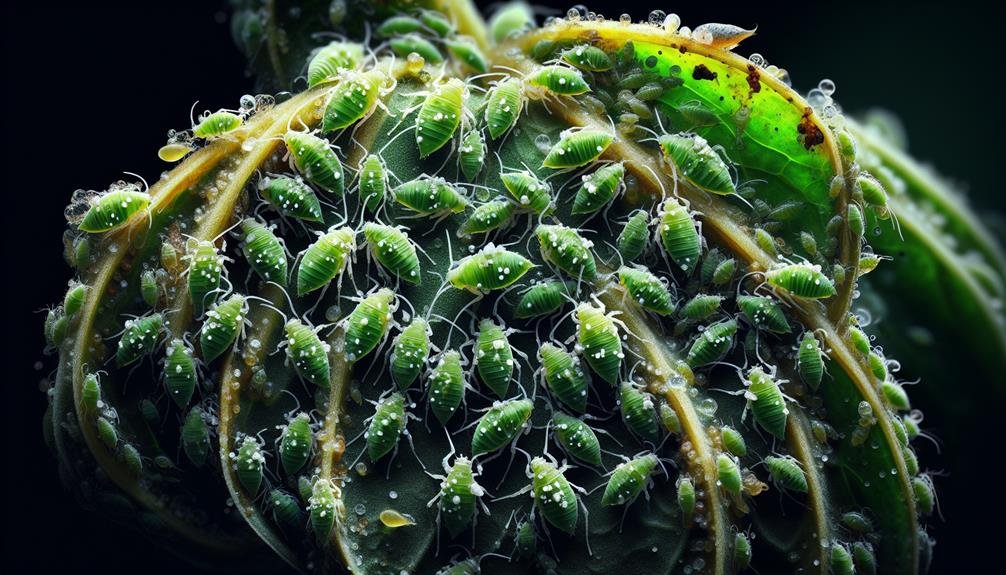
Aphids are tiny insects that can wreak havoc on your beloved indoor plants. These pests pierce the plant's leaves and stems with their needle-like mouths to feed on the sap inside. As they feed, aphids inject toxins into the plant, causing damage to the foliage and stunting growth.
One of the most noticeable signs of aphid damage is the distortion of leaves and shoots. You might observe curling, yellowing, or wilting of the leaves, which can ultimately lead to the plant's decline if left untreated. Additionally, aphids excrete a sticky substance called honeydew, which can attract other pests like ants and mold, further harming your plant.
Aphids reproduce rapidly, so a small infestation can quickly escalate into a full-blown problem. It's essential to regularly inspect your indoor plants for any signs of aphids and take prompt action to prevent extensive damage. Consider using natural predators, insecticidal soaps, or neem oil to control aphid populations and protect your indoor greenery from harm.
Spread Disease
Aphids on indoor plants can spread disease, posing a threat to the overall health of your green companions. These tiny pests feed on plant sap, weakening the plants and making them more susceptible to various diseases. As aphids pierce the plant tissues to suck out the sap, they can introduce pathogens into the plant, causing infections that can spread rapidly throughout your indoor garden.
One common disease spread by aphids is the plant virus. Aphids can pick up viruses from infected plants and transmit them to healthy ones as they move from plant to plant. Once a virus takes hold in a plant, it can cause a range of symptoms such as stunted growth, leaf discoloration, and even plant death.
To prevent the spread of disease by aphids, it's crucial to monitor your indoor plants regularly for any signs of infestation. Taking action promptly to control aphid populations can help protect your plants from falling victim to damaging diseases.
Attract Ants
Ants are often attracted to indoor plants infested with aphids due to the honeydew they produce. Aphids secrete a sticky substance called honeydew, which is a sweet and nutritious treat for ants. This sticky residue not only serves as a food source for ants but also encourages their presence around your plants. Ants have a mutually beneficial relationship with aphids; they protect the aphids from predators and, in return, feed on the honeydew they produce.

Once ants detect the presence of honeydew on your indoor plants, they'll work tirelessly to harvest it. You may notice ants crawling all over your plants, especially near the aphid-infested areas. These tiny intruders can quickly become a nuisance and even create further problems for your plants. Their constant movement can disrupt the plant's growth and overall health. Additionally, having ants around can attract other pests, exacerbating the issues caused by aphids on your indoor plants.
Stunt Growth
Attracting ants to indoor plants infested with aphids can inadvertently stunt the growth of your plants. Ants are attracted to the sweet honeydew secreted by aphids, and as they feed on this substance, they protect the aphids from predators like ladybugs that would otherwise keep the aphid population in check. This protection allows the aphid population to grow unchecked, leading to a higher number of aphids feeding on your plants.
As aphids feed on the sap of plants, they deplete the nutrients necessary for healthy growth. This can result in stunted growth, yellowing leaves, and overall weakened plant health. The damage caused by aphids can be especially detrimental to young plants or new growth, which rely heavily on a steady supply of nutrients for development.
To prevent the stunted growth of your indoor plants due to aphid infestations, it's crucial to address the aphid problem promptly and effectively. Removing the aphids and deterring ants from your plants can help restore their growth and overall health.
Reproduction Rate
To understand the impact of aphid infestations on indoor plants, it's essential to consider their rapid reproduction rate. Aphids are known for their astonishing ability to multiply quickly. A single aphid can produce numerous offspring in a short period, leading to exponential population growth. This rapid reproduction rate is a significant concern for indoor plants because it means that a small initial infestation can swiftly escalate into a full-blown invasion if left unchecked.
The reproductive capabilities of aphids are truly remarkable. In optimal conditions, aphids can give birth to live young instead of laying eggs, allowing for even faster population growth. This means that within a matter of days, a few aphids can turn into a thriving colony, causing widespread damage to your indoor plants.
The high reproduction rate of aphids not only results in a larger infestation but also makes it challenging to control their numbers effectively. Prompt action is crucial when dealing with aphids to prevent their rapid reproduction from causing irreparable harm to your beloved indoor plants.
Frequently Asked Questions
How Can I Prevent Aphids From Infesting My Indoor Plants in the First Place?
To prevent aphids from infesting your indoor plants, start by regularly inspecting your plants for any signs of these pests. Keep your plants well-watered but not overwatered, as aphids are attracted to moisture. Consider using natural remedies like neem oil or insecticidal soaps to deter aphids.
If you spot any aphids, remove them manually or use a gentle spray of water to dislodge them. Proper plant care and vigilance can help keep aphids at bay.
Are There Any Natural Predators or Control Methods for Managing Aphid Populations on Indoor Plants?
You can manage aphid populations on indoor plants by introducing natural predators like ladybugs or lacewings. These beneficial insects feed on aphids, keeping their numbers in check.
Additionally, you can use natural control methods such as neem oil or insecticidal soap to deter aphids from infesting your plants.
Regularly inspecting your plants for signs of aphids and promptly addressing any infestations can help maintain a healthy indoor garden.
Can Aphids Cause Any Harm to Humans or Pets if They Are on Indoor Plants?
Aphids on indoor plants can pose risks to humans or pets if ingested or if they cause an allergic reaction. These tiny pests mightn't directly harm you or your furry friends, but it's best to prevent any potential issues by managing aphid populations effectively.
Stay vigilant and take care of your indoor plants to keep your environment safe for all inhabitants.
Are There Any Specific Types of Indoor Plants That Are More Susceptible to Aphid Infestations?
Certain indoor plants, like roses, hibiscus, and fuchsia, are more prone to aphid infestations due to their tender new growth. These plants provide a favorable environment for aphids to feed and reproduce.
Regularly inspecting and caring for these susceptible plants can help prevent aphid issues. Proper watering, adequate sunlight, and maintaining plant health can also deter aphids from taking hold.
How Quickly Can Aphid Populations Grow and Spread on Indoor Plants if Left Unchecked?
If you leave aphid populations unchecked on indoor plants, they can grow and spread rapidly. These tiny insects reproduce quickly, with some species capable of producing multiple generations in a short time span.
Without intervention, aphid numbers can skyrocket, leading to severe infestations that harm your plants. Regular monitoring and prompt action are crucial to prevent these pests from taking over your indoor garden.
Conclusion
So next time you see aphids on your indoor plants, don't ignore them! These tiny pests may seem harmless, but they can cause serious damage to your plants.
By taking action to remove them, you can prevent further plant damage, disease spread, ant infestations, and growth stunting.
Keep a close eye on your plants and address any aphid problems promptly to ensure your indoor garden stays healthy and thriving.