When it comes to caring for indoor houseplants, it's like a walk in the park compared to outdoor gardening. The secret lies in their ability to adapt effortlessly to the indoor environment.
But what makes these green companions so low-maintenance? Well, the answer might surprise you.
Adaptability to Indoor Environments
Have you ever wondered why some houseplants thrive indoors while others struggle to adapt? The key lies in their natural habitat. Plants originating from tropical regions, such as peace lilies and spider plants, tend to acclimate better to indoor environments due to similarities in temperature and humidity levels. These plants have evolved to thrive in lower light conditions, making them ideal for homes with limited natural light.
On the other hand, plants native to arid climates, like cacti and succulents, may struggle indoors where humidity levels are higher, and sunlight may be filtered through windows. Understanding the origins of your houseplants can help you provide the right conditions for them to flourish indoors. By selecting plants that are naturally suited to indoor environments, you can simplify care and create a thriving indoor garden effortlessly.
Low Light Requirements
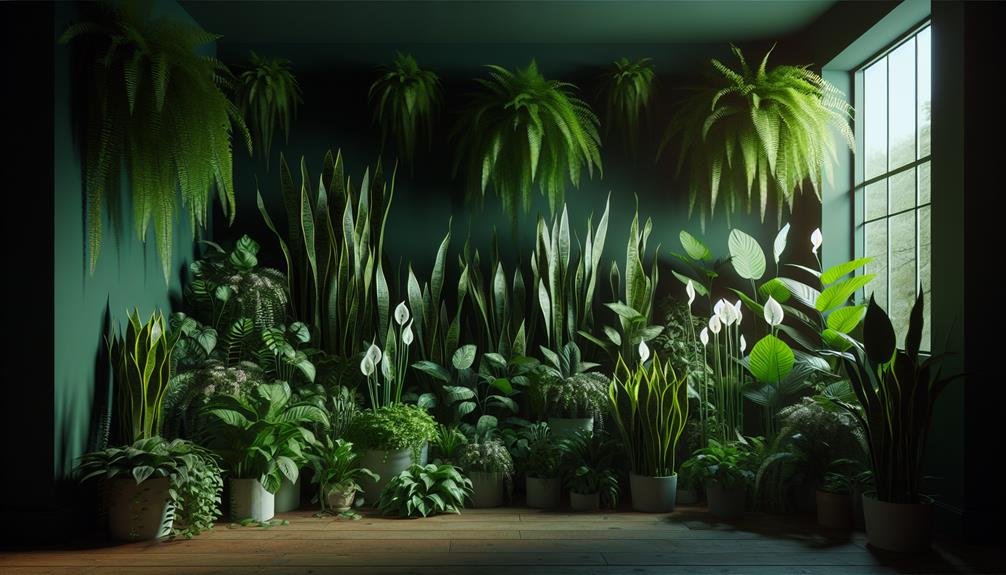
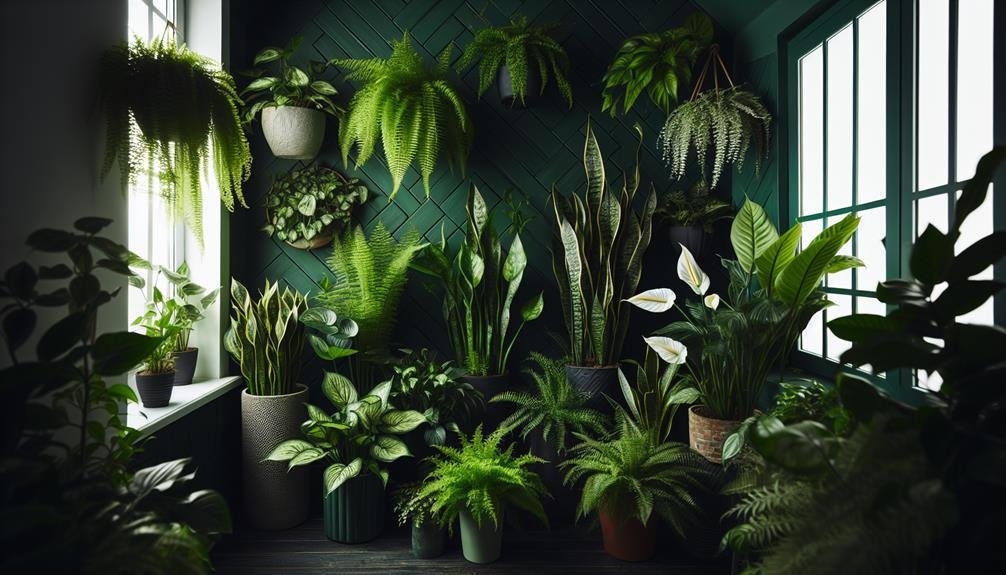
Plants with low light requirements can thrive in spaces with minimal natural light. These plants have adapted to survive in shaded areas, making them perfect for indoor environments with little sunlight. Some popular houseplants that excel in low light conditions include the pothos, snake plant, and peace lily.
Low light plants are ideal for rooms with small windows or areas that receive indirect sunlight. They can tolerate being further away from windows and still grow steadily. When arranging these plants in your home, consider placing them in corners or on shelves away from direct sunlight.
One of the key benefits of low light plants is their ability to add greenery to spaces that would otherwise not support plant life. They're excellent choices for offices, bathrooms, or bedrooms that lack bright light. Remember to rotate these plants occasionally to ensure all sides receive some light for even growth. With their adaptability to low light conditions, these houseplants offer an easy-care option for those seeking a touch of nature indoors.
Reduced Water Needs
In indoor environments with minimal natural light, low light plants not only thrive but also require reduced water needs to continue flourishing. The reduced water needs of indoor houseplants can be attributed to their slower growth rate due to lower light levels. Since these plants aren't photosynthesizing at a rapid pace, they don't require as much water to sustain themselves. Overwatering low light plants in such environments can lead to root rot and other issues, making it crucial to be mindful of their reduced water needs.
When caring for indoor houseplants with low light requirements, it's important to adjust your watering schedule accordingly. Allow the soil to partially dry out between waterings to prevent waterlogged conditions that can harm the plant. Check the moisture level by inserting your finger into the soil; if it feels dry at a depth of an inch or so, it's time to water. By understanding and accommodating their reduced water needs, you can help your indoor low light plants thrive with minimal maintenance.
Minimal Pest Problems
With proper care and attention, indoor houseplants with low light requirements often experience minimal pest problems. Indoor environments typically have fewer pests compared to outdoor settings, reducing the likelihood of infestations. Insects that commonly affect plants, such as aphids, spider mites, and mealybugs, thrive in outdoor conditions with a variety of host plants available. However, indoor houseplants are usually isolated from these external factors, making it harder for pests to find and infest them. Additionally, indoor environments have more stable temperatures and humidity levels, which can deter certain pests from thriving.

When pests do occur indoors, they're usually easier to spot and control due to the confined space and controlled environment. Regularly inspecting your indoor plants for any signs of pest infestation, such as yellowing leaves, tiny webs, or sticky residues, can help you catch and address any issues early on. With fewer pests to contend with, maintaining the health and beauty of your indoor houseplants becomes a more manageable task.
Ease of Maintenance
Maintaining indoor houseplants becomes a breeze with their ease of maintenance. Unlike outdoor plants that are prone to weather changes and pests, indoor houseplants offer a simpler care routine. Watering indoor plants is straightforward; a regular schedule ensures they thrive. Most indoor plants do well with a weekly watering session, while others might require watering every few weeks. Their needs are generally easy to meet and don't demand constant attention.
Pruning indoor houseplants is also hassle-free. Trimming off dead leaves or stems not only enhances their appearance but also promotes healthier growth. This simple task can be done occasionally and doesn't require extensive gardening knowledge. Additionally, indoor houseplants usually don't grow as rapidly as outdoor plants, reducing the frequency of pruning needed.
Frequently Asked Questions
Can Indoor Houseplants Help Improve Indoor Air Quality?
Indoor houseplants can indeed help improve indoor air quality. They absorb carbon dioxide and release oxygen, acting as natural air purifiers. By filtering out toxins like benzene and formaldehyde, plants create a healthier environment for you to breathe in.
Are There Any Indoor Houseplants That Are Safe for Pets to Be Around?
Yes, there are indoor houseplants that are safe for pets to be around. Some pet-friendly options include spider plants, parlor palms, and Boston ferns.
These plants are non-toxic to cats and dogs, making them a great choice for pet owners looking to add some greenery to their homes without worrying about their furry friends getting sick from nibbling on the leaves.
How Can I Prevent My Indoor Houseplants From Becoming Overgrown?
To prevent indoor houseplants from becoming overgrown, regularly prune them by trimming back excess growth. Check for any signs of overcrowding and repot if needed.
Ensure your plants are receiving adequate sunlight and water, but don't overdo it. Regularly rotate your plants to promote even growth.
Do Indoor Houseplants Need to Be Fertilized Regularly?
Indoor houseplants benefit from regular fertilization to stay healthy and thrive. By providing essential nutrients through fertilization, you ensure your plants have the necessary resources to support growth and blooming. Remember to follow the instructions on the fertilizer packaging and avoid over-fertilizing, which can harm your plants.
Regular fertilization can help your indoor houseplants maintain their vibrancy and overall well-being, contributing to a more lush and beautiful indoor garden.
Are There Any Specific Indoor Houseplants That Are Best for Beginners With Little Gardening Experience?
When starting out with indoor houseplants and having little gardening experience, it's best to look for plants that are low-maintenance and forgiving.
Some great options for beginners include pothos, snake plants, spider plants, and peace lilies. These plants are resilient and don't require a lot of attention, making them perfect for those new to caring for indoor greenery.
Start with these easy-to-care-for plants to build your confidence and green thumb skills.
Conclusion
Overall, indoor houseplants are easier to care for due to their adaptability to indoor environments, low light requirements, reduced water needs, minimal pest problems, and ease of maintenance.
By choosing the right plants for your home and following simple care tips, you can enjoy the benefits of having greenery indoors without the stress of high maintenance.
So go ahead, add some indoor plants to your space and enjoy their beauty with minimal effort.