If you've ever wanted to introduce greenery into your living space but felt hesitant due to lack of experience, you're not alone.
Did you know that 67% of aspiring plant owners feel overwhelmed by the thought of caring for houseplants?
However, fear not, as there are certain houseplants tailored for beginners that can help ease you into the world of indoor gardening. These plants not only require minimal attention but also offer a myriad of benefits that go beyond just aesthetics.
Let's explore why these houseplants are perfect for beginners and how they can kickstart your journey to becoming a confident plant parent.
Benefits of Choosing Beginner-Friendly Houseplants
Choosing beginner-friendly houseplants provides a low-maintenance way to introduce greenery into your living space. These plants are perfect for individuals who are just starting to explore the world of indoor gardening. They offer numerous benefits that can enhance your well-being and living environment.
One key benefit of beginner-friendly houseplants is their resilience. These plants are typically hardy and can withstand occasional neglect or overwatering, making them ideal for those who may not have a green thumb yet. This resilience means you can enjoy the beauty of indoor plants without constantly worrying about keeping them alive.
Additionally, beginner-friendly houseplants often require minimal care. They've straightforward care instructions and don't demand much attention, making them perfect for busy individuals or those with hectic schedules. By choosing these plants, you can effortlessly enjoy the benefits of having greenery in your home without feeling overwhelmed by intricate plant care routines.
Top Easy-to-Care-For Indoor Plants
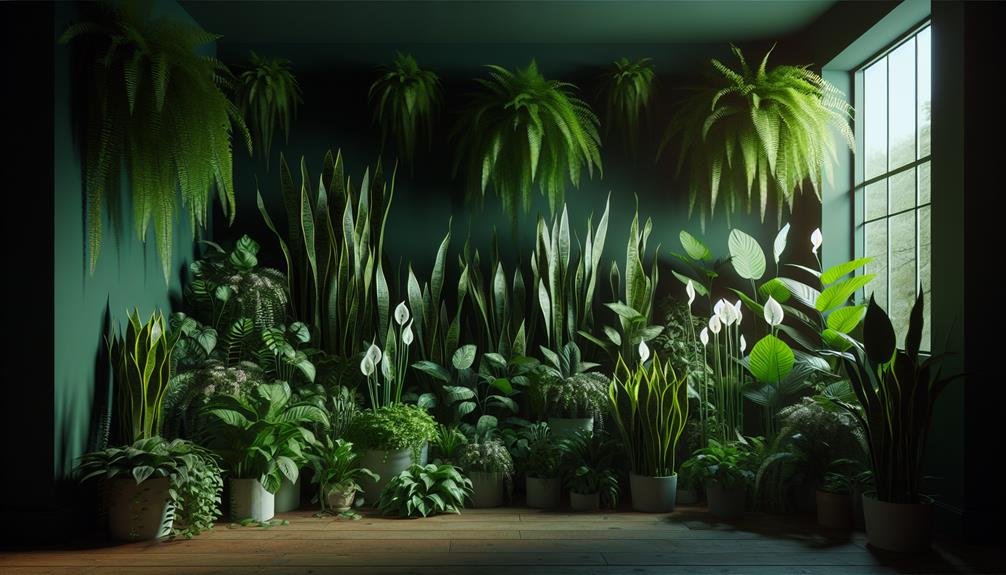
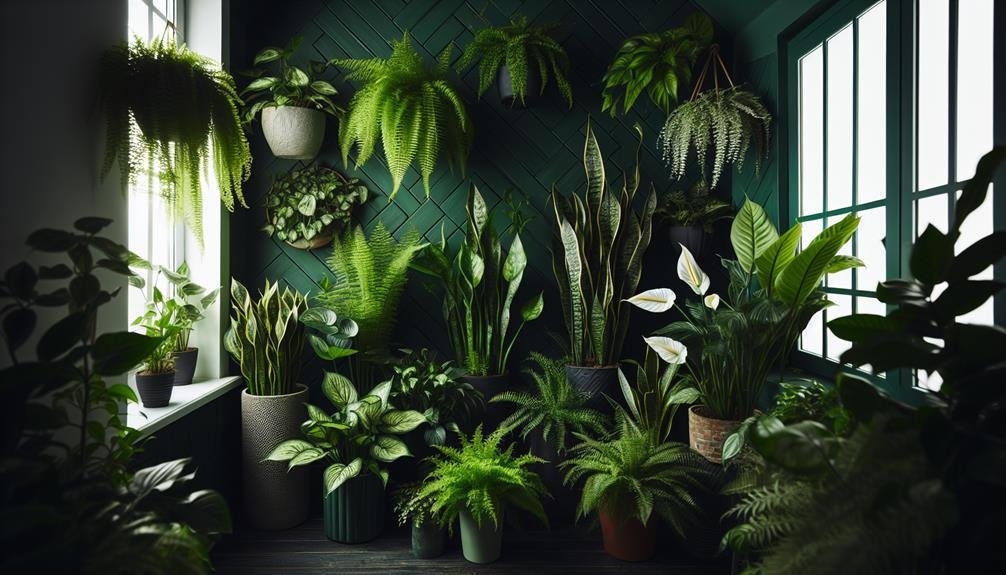
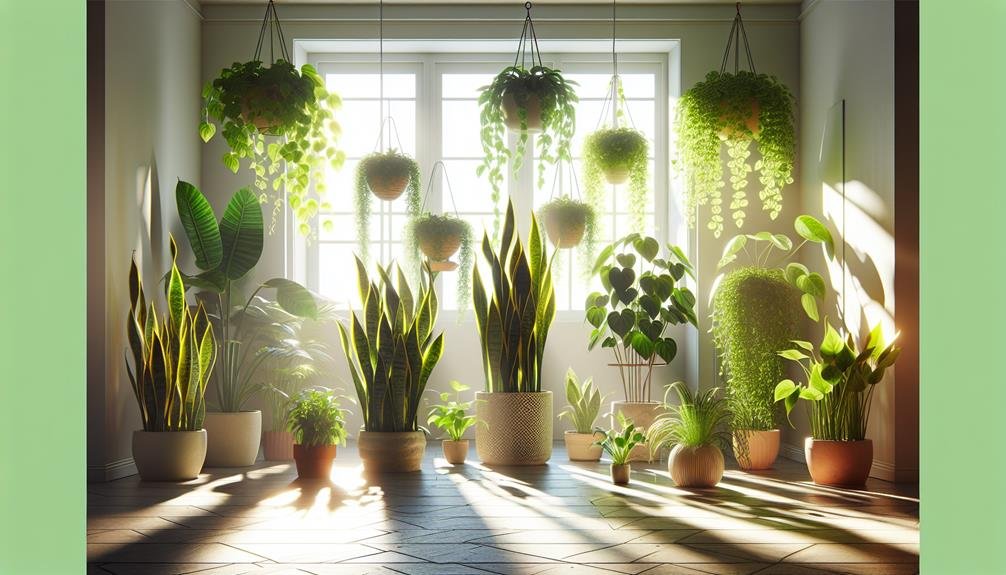
To explore the top easy-to-care-for indoor plants, consider starting with varieties that thrive in low light conditions. Snake plants, also known as Sansevieria, are perfect for beginners as they can tolerate low light and irregular watering.
Another great option is the pothos plant, which requires minimal attention and can adapt to various light conditions. The spider plant is a resilient choice that can thrive in indirect sunlight and only needs occasional watering.
If you prefer flowering plants, the peace lily is an excellent choice for beginners due to its low light requirements and easy watering needs. Aloe vera is a versatile plant that not only adds a touch of green to your space but also has medicinal properties.

Lastly, the ZZ plant is virtually indestructible, thriving in low light and tolerating infrequent watering. These easy-to-care-for indoor plants are perfect for beginners looking to add greenery to their homes without the stress of high maintenance.
Characteristics of Low-Maintenance Houseplants
When selecting low-maintenance houseplants, prioritize resilience and adaptability to ensure they thrive in your living space effortlessly. Look for plants that can withstand occasional neglect, such as forgetting to water them on time or providing inconsistent sunlight. Opt for varieties like snake plants, pothos, or spider plants, known for their ability to bounce back from less-than-ideal conditions. These plants are forgiving and can tolerate fluctuations in watering schedules, making them perfect for beginners.
Choose houseplants that can adapt to different light levels, whether your space receives lots of sunlight or is on the dimmer side. Plants like peace lilies, ZZ plants, or cast-iron plants are excellent choices for areas with low light. They can still grow and thrive with minimal natural light, reducing the stress of finding the perfect spot for them in your home. Additionally, prioritize plants that are pest-resistant and don't require frequent repotting, simplifying your maintenance routine. By focusing on these characteristics, you can enjoy the beauty of indoor plants without the added stress of high maintenance.
Reasons Why Beginners Love These Plants
For beginners, these resilient and adaptable houseplants offer a stress-free way to enjoy indoor greenery without the hassle of high maintenance. One key reason why beginners love these plants is their forgiving nature. They can handle occasional overwatering or forgetting to water them for a few days without immediately withering away. This flexibility provides peace of mind and room for learning without the fear of quickly causing irreparable damage.
Additionally, the low light requirements of these houseplants make them perfect for beginners. You don't need to worry about ensuring they receive hours of direct sunlight each day; they can thrive in various lighting conditions, including fluorescent or indirect light. This adaptability reduces the stress often associated with finding the perfect sunny spot in your home.
Moreover, the affordability and accessibility of these houseplants make them even more appealing to beginners. You can easily find them at local nurseries, home improvement stores, or even online, without breaking the bank. This accessibility allows you to start your indoor garden without a significant upfront investment.
How to Successfully Grow Houseplants
Growing houseplants successfully requires consistent care, attention to detail, and a basic understanding of their specific needs. To start, always consider the lighting conditions in your home. Different plants have varying light requirements, so place them accordingly.
Watering is crucial; overwatering can cause root rot, while underwatering leads to wilting. Check the soil moisture regularly by feeling the top inch—water if it's dry. Fertilize sparingly during the growing season to provide essential nutrients.
Dust the leaves occasionally to allow for better light absorption and respiration. Prune dead or yellowing leaves to encourage new growth. Keep an eye out for pests like spider mites or aphids; act promptly if you spot any.
Lastly, repot your plants as needed to prevent them from becoming root-bound. By following these simple steps and staying attentive to your plant's needs, you'll be on your way to cultivating thriving houseplants.
Frequently Asked Questions
Can These Beginner-Friendly Houseplants Be Toxic to Pets or Children?
Yes, some beginner-friendly houseplants can be toxic to pets or children. It's essential to research each plant's toxicity level before bringing them home.
Keep them out of reach or opt for non-toxic alternatives if you have pets or small children. Safety should always be a priority when selecting houseplants, ensuring a healthy environment for both your family and your green friends.
How Often Should I Repot These Easy-To-Care-For Indoor Plants?
When caring for these easy-to-care-for indoor plants, it's important to know when to repot them. Generally, you should consider repotting every 1-2 years to ensure optimal growth.
Keep an eye out for roots peeking through drainage holes or if the plant seems to outgrow its current container. Repotting provides fresh nutrients and room for growth, promoting overall plant health.
Are There Any Specific Lighting Requirements for Low-Maintenance Houseplants?
For low-maintenance houseplants, you'll want to place them in areas with indirect sunlight. These plants thrive in moderate light conditions, so avoid direct sun exposure.
If you notice your plant leaning towards the light source, rotate it occasionally for even growth. Remember, the key is to strike a balance and not place them in harsh, direct sunlight that could scorch their leaves.
Just keep things simple and your plants will be happy!
Can These Beginner-Friendly Houseplants Be Grown Outdoors as Well?
Yes, these beginner-friendly houseplants can thrive outdoors as well. Many of them, like spider plants or pothos, can adapt to outdoor conditions easily. Just ensure they're placed in suitable spots with the right amount of sunlight and water.
Outdoor growth might even enhance their development, making them more robust and vibrant. So go ahead and experiment with these plants in your outdoor garden!
Do These Plants Attract Pests or Require Any Special Pest Control Measures?
These beginner-friendly houseplants generally don't attract many pests. However, it's always good to keep an eye out for any signs of infestation.
Simple measures like wiping down leaves regularly and using insecticidal soap can help prevent any pest issues.
Conclusion
Overall, these beginner-friendly houseplants are perfect for those new to indoor gardening.
With their easy care requirements and forgiving nature, they're ideal for beginners looking to add some greenery to their homes.
By choosing low-maintenance plants and following simple growing tips, even those with a brown thumb can successfully nurture and enjoy their houseplants.
So don't be afraid to start your indoor garden journey with these perfect plants for beginners!