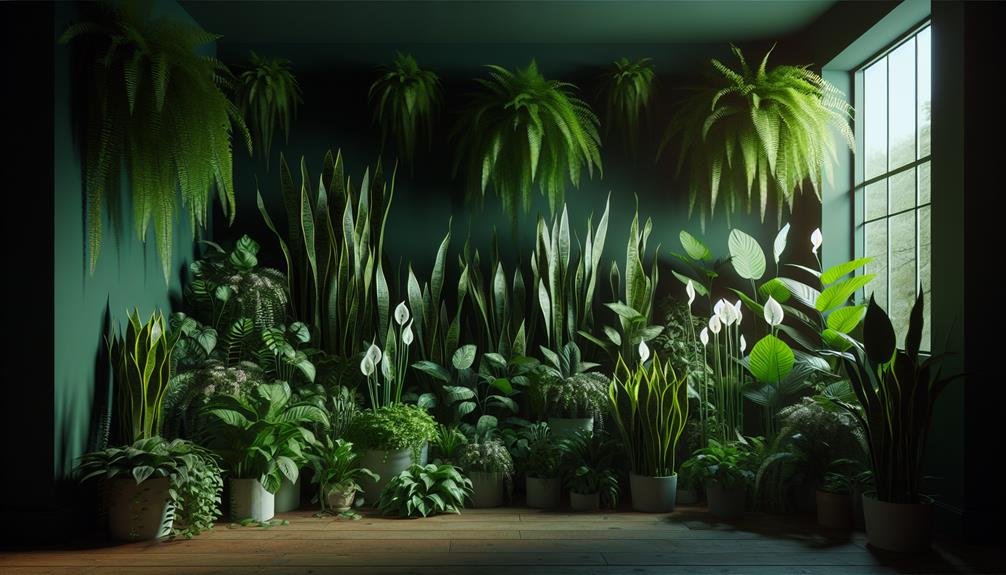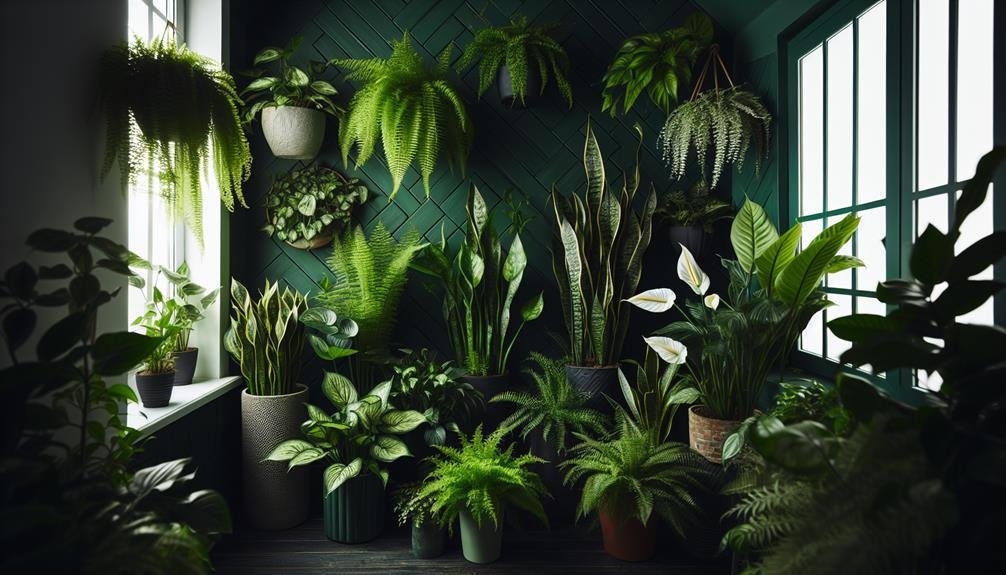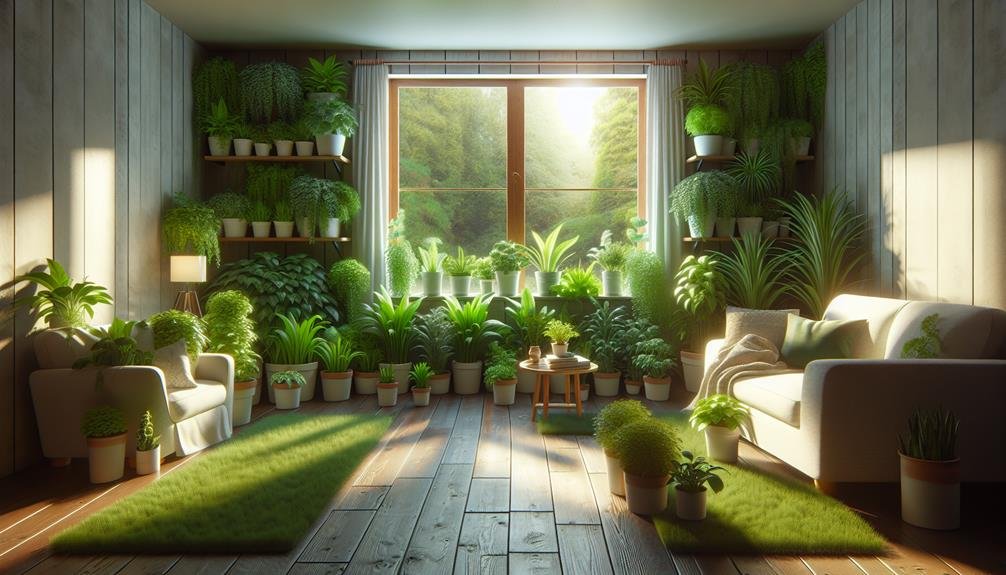
Imagine creating a tranquil oasis right in the heart of your home, where lush greenery thrives regardless of the weather outside.
But why should you opt for dependable indoor plants over their outdoor counterparts?
Let's explore the hidden advantages that might just surprise you and elevate your indoor space to a whole new level of sophistication and style.
Benefits of Indoor Plants
If you're looking to enhance your indoor space effortlessly, adding indoor plants can bring a touch of nature and freshness to your surroundings. Not only do indoor plants beautify your home, but they also offer numerous benefits that contribute to your overall well-being.
Indoor plants are known for their air-purifying properties, helping to remove harmful toxins and improve air quality. This can lead to better respiratory health and create a more pleasant living environment. Additionally, indoor plants have been shown to reduce stress, boost mood, and increase productivity. The presence of greenery indoors can have a calming effect on your mind and body, promoting relaxation and reducing anxiety.
Furthermore, caring for indoor plants can be a rewarding hobby that allows you to connect with nature and cultivate a sense of responsibility. With the right selection of indoor plants, you can transform your indoor space into a peaceful sanctuary that benefits both your physical and mental health.
Low Maintenance Requirements
When considering indoor plants, it's important to prioritize low maintenance requirements to ensure easy care and upkeep. Opting for plants that thrive with minimal attention can save you time and effort in the long run. Low-maintenance indoor plants like snake plants, pothos, or spider plants are excellent choices for busy individuals or beginners in plant care. These plants are forgiving of occasional forgetfulness when it comes to watering and can withstand fluctuations in light levels.
Choosing indoor plants with low maintenance requirements also means less frequent repotting and pruning. Plants that grow slowly or remain compact reduce the need for constant monitoring and upkeep. Additionally, selecting plants that are less susceptible to pests and diseases can further simplify maintenance tasks. By focusing on low-maintenance indoor plants, you can enjoy the beauty and benefits of greenery in your home without feeling overwhelmed by demanding care routines.
Adaptability to Indoor Environments
To thrive indoors, plants must demonstrate adaptability to the unique environmental conditions found inside homes. Indoor environments typically have lower light levels, fluctuating temperatures, and drier air compared to the outdoors. Therefore, it's crucial to choose plants that can thrive in these conditions.
Plants like the spider plant, pothos, and snake plant are excellent choices for indoor spaces due to their ability to adapt to low light conditions. These plants have evolved to thrive in the shade of the forest floor, making them well-suited for indoor environments with limited sunlight.

Additionally, plants such as the peace lily and Chinese evergreen can tolerate fluctuations in temperature commonly found in homes. They can withstand changes in temperature throughout the day, making them resilient choices for indoor spaces.
Moreover, plants like succulents and cacti have adapted to store water in their leaves and stems, allowing them to survive in drier indoor air conditions. Their ability to thrive with minimal watering makes them ideal for busy individuals looking for low-maintenance indoor plants that can adapt to their surroundings.
Health and Well-being Benefits
Indoor plants offer numerous health and well-being benefits that can enhance your quality of life. Not only do they serve as natural air purifiers by absorbing toxins and releasing oxygen, but they also help to increase humidity levels, which can alleviate respiratory issues and dry skin. Having indoor plants around has been linked to reduced stress levels and improved mood, making them great companions for promoting mental wellness.
The act of caring for plants can also provide a sense of purpose and accomplishment, boosting self-esteem and overall happiness.
In addition, indoor plants have been shown to enhance concentration and productivity, making them ideal for home offices or study spaces. The presence of greenery indoors can help to create a calming and relaxing environment, which is beneficial for both mental and physical health.
Suitable for Various Interior Design Styles
Enhancing the aesthetic appeal of your living spaces, indoor plants are versatile additions that effortlessly complement various interior design styles. Whether your home boasts a modern, minimalistic look or a cozy, bohemian vibe, there's a plant to suit every taste. For a sleek and contemporary setting, consider incorporating plants with clean lines like snake plants or succulents. These plants add a touch of greenery without overwhelming the space.
If your style leans towards a more rustic or farmhouse aesthetic, plants like fiddle leaf figs or peace lilies can bring a sense of warmth and charm to the room. Their lush foliage and earthy tones blend seamlessly with wooden accents and vintage decor. In contrast, for those who prefer a Scandinavian-inspired design, air plants or spider plants offer a simple yet elegant appeal that aligns perfectly with the minimalist ethos.
No matter your interior design preferences, indoor plants offer a versatile and cost-effective way to elevate the look of your home while bringing a breath of fresh air into your daily life.
Frequently Asked Questions
Can Indoor Plants Help Reduce Energy Costs in a Home or Office?
Indoor plants can indeed help reduce energy costs in your home or office. They act as natural air purifiers and can improve air quality, reducing the need for artificial ventilation systems.
Plants also release moisture through a process called transpiration, which can help regulate humidity levels and potentially lower heating and cooling costs.
Do Indoor Plants Attract Pests or Insects Into the Indoor Environment?
Indoor plants can attract pests or insects into the indoor environment if not properly cared for. Overwatering, poor ventilation, and lack of sunlight can create conditions that attract bugs.
To prevent this, regularly inspect your plants for any signs of pests, maintain proper watering and drainage, and ensure good air circulation.
Are There Any Indoor Plants That Are Harmful to Pets or Children?
When selecting indoor plants, consider the safety of your pets and children. Some indoor plants can be harmful if ingested. Research pet-friendly and non-toxic plant options to ensure a healthy environment for your loved ones.
Always place plants out of reach of curious pets and children. Prioritize safety by choosing indoor plants that are safe for your furry friends and little ones to be around.
How Often Should Indoor Plants Be Repotted or Have Their Soil Changed?
When it comes to repotting or changing the soil of your indoor plants, it's important to pay attention to the specific needs of each plant.
Generally, most indoor plants benefit from being repotted every 1-2 years to allow for proper root growth and nutrient uptake. Changing the soil annually or as needed helps ensure that your plants have fresh, nutrient-rich soil to thrive in.
Be sure to check the specific requirements for each plant to keep them healthy and happy.
Can Indoor Plants Help Improve Air Quality in an Indoor Environment?
Indoor plants can indeed help improve air quality in your home. They absorb carbon dioxide and release oxygen through photosynthesis, which can freshen up indoor air.
Additionally, certain plants are known to filter out toxins and pollutants, promoting a healthier environment for you.
Conclusion
So, when it comes to choosing between indoor and outdoor plants, opt for indoor plants that offer numerous benefits. They require low maintenance, adapt well to indoor environments, and provide health and well-being benefits.
Plus, indoor plants can complement various interior design styles, adding a touch of greenery to your living space. Make the smart choice and bring the beauty of nature indoors with dependable indoor plants.