Tired of spending your weekends chained to the garden hose, nourishing plants that seem to thirst endlessly? Perhaps it's time to consider a more low-maintenance approach with drought-tolerant plants.
These hardy green companions not only save you time and energy but also bring a touch of resilience and beauty to your indoor and outdoor spaces.
So, why should you make the switch to these water-saving wonders?
Benefits of Drought-Tolerant Plants
When selecting plants for your garden, prioritize those that require less water to thrive. Opting for drought-tolerant plants not only conserves water but also offers numerous benefits. These plants are resilient and can withstand dry conditions, making them low-maintenance additions to your garden. By choosing drought-tolerant varieties, you reduce the need for frequent watering, saving both time and resources. Additionally, these plants are often more resistant to pests and diseases, promoting a healthier garden ecosystem.
Incorporating drought-tolerant plants into your garden can also enhance its aesthetic appeal. Many of these plants boast unique textures, colors, and shapes, adding visual interest to your outdoor space. From succulents with their striking geometric patterns to lavender with its fragrant blooms, there's a wide range of drought-tolerant options to choose from that can elevate the beauty of your garden.
Indoor Drought-Tolerant Plant Selection Tips
To continue creating an environmentally friendly and visually appealing indoor space, consider implementing these tips for selecting drought-tolerant plants that thrive with minimal watering.
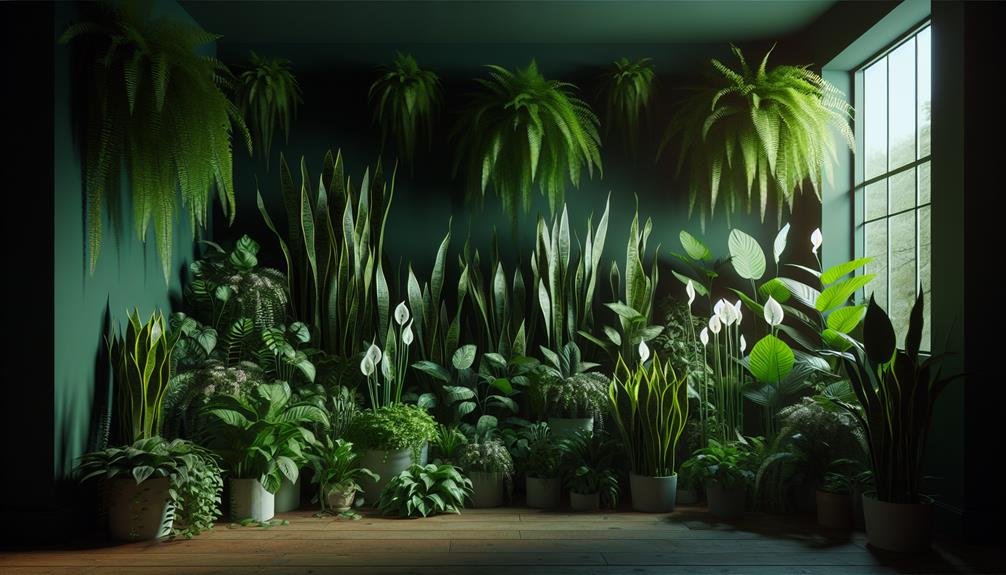
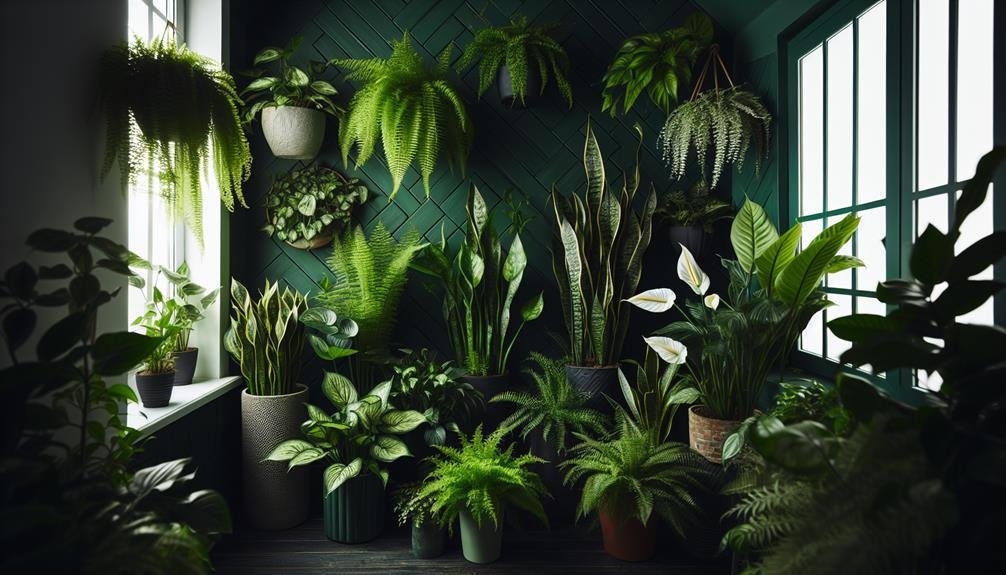
When choosing indoor plants that can withstand dry conditions, opt for varieties such as succulents, cacti, snake plants, and zz plants. These species are well-suited for indoor environments as they store water in their leaves or stems, requiring less frequent watering.
Prioritize plants that have adapted to low light conditions if your space lacks ample sunlight. Examples of low-light tolerant plants include pothos, peace lilies, and spider plants.
Additionally, consider the size of the plant and its container in relation to your space; overcrowding can hinder air circulation and lead to moisture-related issues.
Remember to research the specific care requirements of each plant to ensure they thrive in your indoor environment. By carefully selecting drought-tolerant plants suited to indoor conditions, you can create a sustainable and visually pleasing indoor oasis with minimal water consumption.

Outdoor Drought-Tolerant Planting Guide
Consider selecting drought-tolerant plants for your outdoor space to conserve water and create a resilient garden that thrives in dry conditions. When planting drought-tolerant plants, it's crucial to choose species that are well-suited to your specific climate and soil conditions. Before planting, ensure that the soil is well-draining to prevent waterlogging, which can be harmful to these plants.
Select a variety of plants with different heights, colors, and textures to create an aesthetically pleasing landscape. Group plants with similar water requirements together to make watering more efficient. Mulching around the plants can help retain soil moisture and reduce water evaporation.
When establishing drought-tolerant plants, provide adequate water during the first growing season to help them develop strong root systems. Once established, these plants will require less water, making them ideal for low-maintenance landscapes. Regularly monitor the plants for any signs of stress, such as wilting or yellowing leaves, and adjust watering as needed. By following these planting guidelines, you can create a beautiful outdoor space that conserves water and thrives even in dry conditions.
Maintenance Tips for Drought-Tolerant Plants
To effectively care for your drought-tolerant plants, it's important to understand the maintenance tips that will help them thrive in your outdoor space. Drought-tolerant plants are designed to withstand dry conditions, but they still require some level of care to ensure they remain healthy and vibrant. Here are some essential maintenance tips to keep in mind:
- Watering: While these plants are more resilient to drought, they still need watering, especially during their initial growth period. Once established, water infrequently but deeply to encourage deep root growth.
- Mulching: Apply a layer of mulch around your plants to help retain soil moisture and regulate soil temperature. This will reduce the frequency of watering needed.
- Pruning: Regularly prune your drought-tolerant plants to remove dead or damaged branches, promote new growth, and maintain their shape.
- Fertilizing: Use a balanced fertilizer sparingly to provide essential nutrients without overstimulating growth.
Design Ideas With Drought-Tolerant Plants
When planning your outdoor space, incorporate drought-tolerant plants to create a sustainable and low-maintenance garden design. Opt for succulents like aloe vera or agave to add a modern touch to your landscape. These plants come in various sizes and shapes, making them versatile for different design ideas.
Create a striking focal point by planting a yucca plant in the center of a gravel-filled area. The yucca's tall, sword-shaped leaves will add height and drama to your garden. For a pop of color, consider adding blanket flowers (Gaillardia) or lavender, which not only thrive in dry conditions but also attract pollinators.
Incorporate ornamental grasses like feather reed grass or blue fescue for texture and movement in your garden. These grasses are hardy and require minimal watering once established. Group different drought-tolerant plants together to create visual interest and cohesion in your outdoor space.
Frequently Asked Questions
Are There Any Specific Soil Requirements for Drought-Tolerant Plants?
When caring for drought-tolerant plants, it's essential to consider their soil needs. These plants typically thrive in well-draining soil that prevents waterlogging and root rot. Using a mix of sand, perlite, or gravel can improve drainage and ensure the roots stay healthy.
Avoid heavy clay soils that retain too much water. By providing the right soil conditions, you can help your drought-tolerant plants flourish indoors and outdoors.
Can Drought-Tolerant Plants Thrive in Areas With High Humidity?
In areas with high humidity, drought-tolerant plants can still thrive. These plants have adapted to survive in various conditions, including those with moisture in the air.
While they're designed to withstand dry spells, they can also handle humid environments by being efficient in using water. So, if you're dealing with high humidity, you can still enjoy the benefits of drought-tolerant plants without worry.
How Do Drought-Tolerant Plants Contribute to Water Conservation Efforts?
Drought-tolerant plants contribute to water conservation efforts by requiring less irrigation compared to other plants. Their ability to thrive in dry conditions means you can water them sparingly, reducing overall water usage.
This conservation aspect is beneficial for regions facing water scarcity or drought conditions. By choosing drought-tolerant plants, you play a role in promoting sustainable water practices and environmental resilience.
Are There Any Potential Pests or Diseases That Commonly Affect Drought-Tolerant Plants?
Some potential pests or diseases may affect drought-tolerant plants. Pests like spider mites, aphids, or mealybugs can trouble these plants. Diseases such as root rot or powdery mildew could also pose issues.
Regularly inspect your plants for any signs of infestation or disease. Promptly addressing these concerns can help keep your drought-tolerant plants healthy and thriving. Proper care and attention are key to maintaining the well-being of your plants.
What Are Some Creative Ways to Incorporate Drought-Tolerant Plants Into Vertical Gardens or Living Walls?
When incorporating drought-tolerant plants into vertical gardens or living walls, consider their size and growth habits. Opt for trailing varieties to create cascading effects or mix different textures for visual interest.
Use containers with proper drainage and a lightweight soil mix. Ensure adequate sunlight exposure and water sparingly but deeply.
Regularly check for any signs of overgrowth or pests, and prune as needed to maintain the desired look.
Conclusion
In conclusion, choosing drought-tolerant plants for both indoor and outdoor spaces not only saves water but also offers a range of benefits such as low maintenance, environmental sustainability, and beautiful design options.
By following the selection tips, planting guide, and maintenance tips provided, you can create a stunning and resilient landscape that thrives in challenging conditions.
Make the smart choice and go with drought-tolerant plants for a sustainable and visually appealing garden.