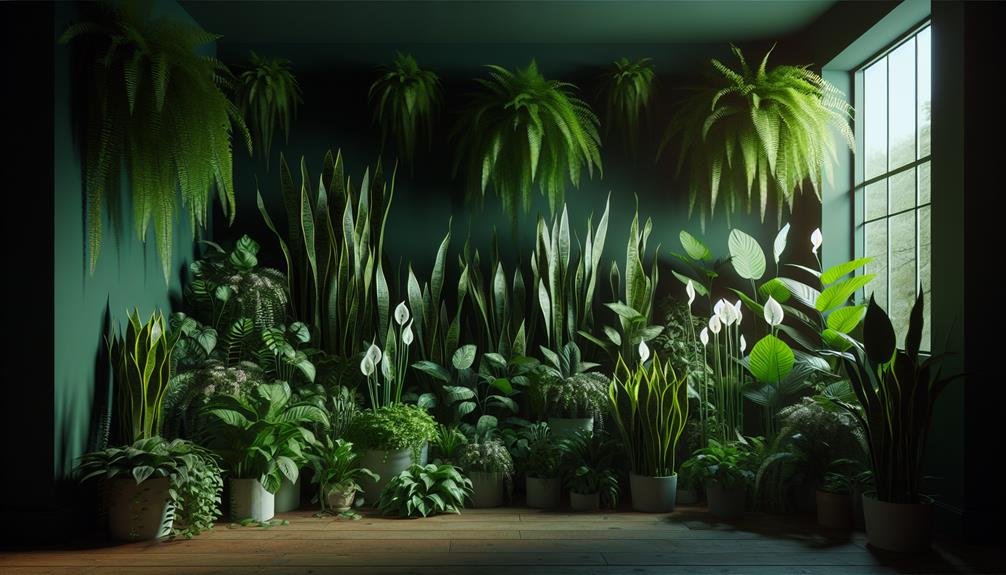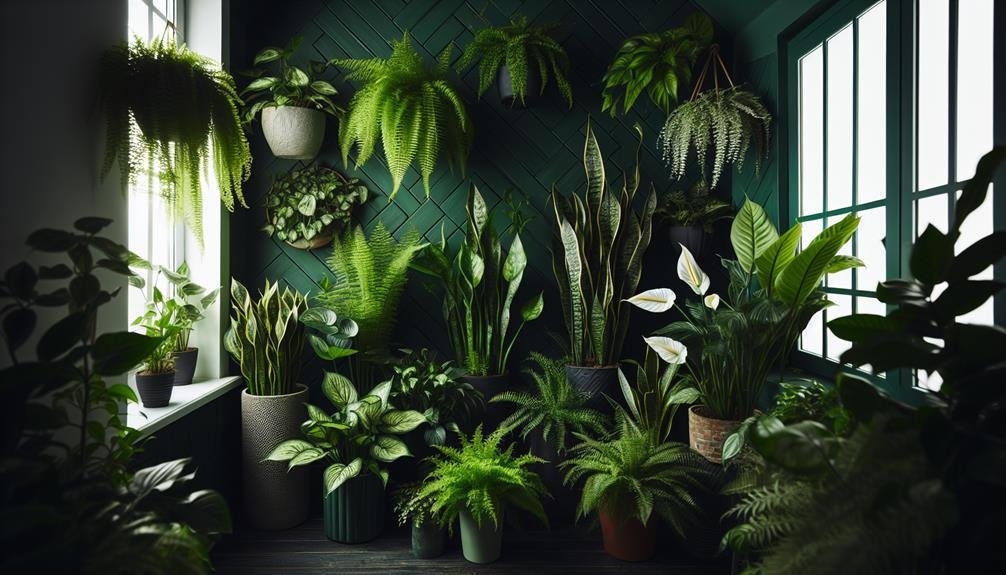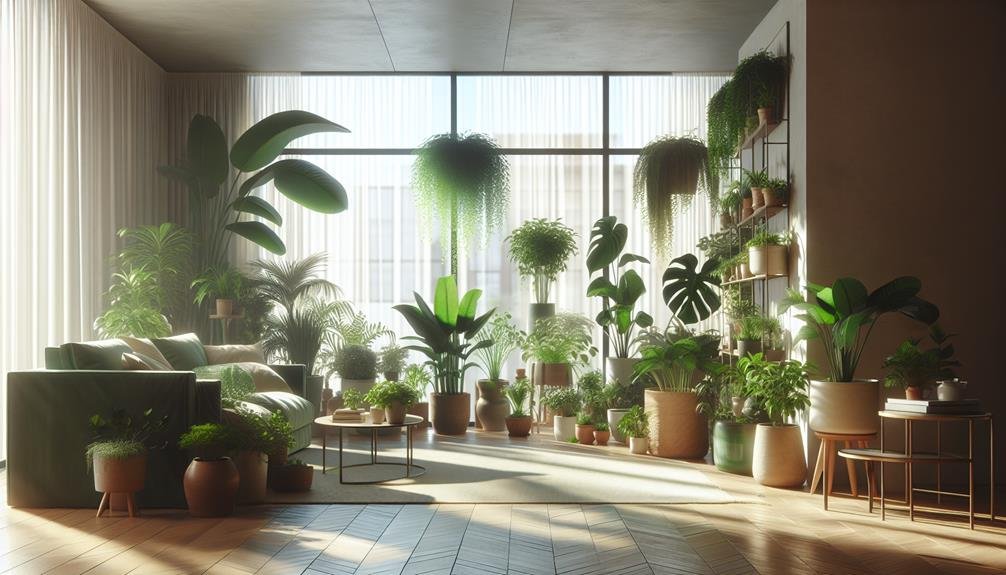
Embrace the tranquility and vitality that houseplants bring to your living space. Picture lush green leaves and vibrant blooms weaving a connection between nature and your home.
But why stop there? Houseplants offer more than just aesthetics; they contribute to your well-being in surprising ways.
Stay tuned to discover the hidden benefits that these green companions can offer, beyond mere decoration.
Health Benefits of Houseplants
Have you ever wondered how houseplants can improve your health? Well, the benefits may surprise you. Not only do houseplants add a touch of nature to your living space, but they can also have a positive impact on your overall well-being.
One significant health benefit of houseplants is their ability to reduce stress and improve your mood. Studies have shown that being around greenery can help lower cortisol levels, the hormone responsible for stress. Simply having a few plants around your home can create a calming environment, promoting relaxation and reducing feelings of anxiety.
Moreover, houseplants can also boost your productivity and concentration. The presence of plants indoors has been linked to improved focus and cognitive function. Whether you place them in your home office or study area, having houseplants around can help you stay alert and engaged in your tasks.
Enhancing Indoor Air Quality
Enhancing indoor air quality can be achieved through the strategic placement of specific houseplants known for their air-purifying properties. Plants such as peace lilies, spider plants, and snake plants are excellent choices for improving the air you breathe indoors. These plants can help remove common toxins like formaldehyde, benzene, and trichloroethylene, which are often found in household items such as paints, furniture, and cleaning products.
By introducing these air-purifying houseplants into your home, you not only enhance the aesthetic appeal but also create a healthier living environment. The natural ability of plants to absorb pollutants and release oxygen through photosynthesis can significantly impact the air quality in your home. This process can reduce the presence of airborne contaminants, making the air fresher and cleaner for you and your family to enjoy.
With just a few well-placed houseplants, you can transform your indoor space into a sanctuary of clean, purified air, promoting a sense of well-being and harmony within your home.
Easy Maintenance and Care
Taking care of your indoor plants is a simple task that can bring joy and beauty to your living space. Houseplants are generally low-maintenance and require minimal effort to thrive. To ensure your plants stay healthy, water them according to their specific needs. Overwatering can lead to root rot, while underwatering can cause wilting. Checking the soil moisture before watering is a good practice. Additionally, make sure to provide adequate sunlight for your plants. Most houseplants prefer indirect light, so placing them near a window or in a well-lit room is ideal.

Regularly dusting the leaves of your plants can help them photosynthesize more efficiently. Wiping the leaves with a damp cloth can also prevent pests from infesting your plants. Pruning dead or yellowing leaves can promote new growth and keep your plant looking fresh. Fertilizing your plants every few weeks during the growing season can provide them with essential nutrients. By following these simple care tips, you can enjoy the beauty of houseplants in your home without much hassle.
Boosting Mood and Productivity
Boost your mood and productivity by strategically placing houseplants in your workspace. Research shows that incorporating greenery into your work environment can have a positive impact on your overall well-being. Houseplants have the remarkable ability to reduce stress, boost creativity, and increase focus.
The presence of plants in your workspace can help create a calming atmosphere, making you feel more relaxed and at ease. As a result, you may find yourself better equipped to tackle tasks efficiently and stay motivated throughout the day. The visual appeal of lush green leaves and colorful blooms can also uplift your spirits and bring a sense of freshness to your surroundings.
Moreover, houseplants can improve air quality by absorbing toxins and releasing oxygen, leading to a healthier indoor environment. Breathing in cleaner air can enhance your cognitive function and productivity levels, helping you perform better in your daily tasks. So, next time you're looking to enhance your mood and increase productivity, consider adding some houseplants to your workspace for a natural and effective boost.
Stylish and Versatile Decor Options
Consider incorporating houseplants as stylish and versatile decor options to elevate the aesthetic appeal of your living spaces. Houseplants come in a variety of shapes, sizes, and colors, allowing you to mix and match them to suit your personal style. Succulents, for instance, bring a modern and minimalist touch, while trailing plants like pothos add a whimsical and cozy feel. You can also opt for statement plants like fiddle leaf figs or monstera for a bold and trendy look.
Houseplants not only enhance the visual appeal of a room but also serve as natural air purifiers, contributing to a healthier indoor environment. By strategically placing plants on shelves, tables, or hanging planters, you can create eye-catching displays that breathe life into any space. Additionally, the versatility of houseplants allows you to experiment with different pots and planters to match your existing decor or refresh the look of a room effortlessly.
Embrace the flexibility and charm of houseplants to infuse your home with personality and style. Whether you prefer a bohemian vibe with a jungle of plants or a sleek and contemporary look with a few select specimens, houseplants offer endless possibilities for creating a unique and inviting atmosphere in your home.
Frequently Asked Questions
Can Houseplants Attract Pests or Insects Into the Home?
Houseplants can attract pests or insects into your home if not properly cared for. Insects may be drawn to overwatered plants or those with dead leaves. To prevent this, regularly inspect your plants for any signs of pests or infestations.
If you notice any issues, take immediate action by removing the affected leaves or using natural pest control methods. Proper care and maintenance can help keep your houseplants healthy and bug-free.
Are There Any Houseplants That Are Toxic to Pets or Children?
Yes, some houseplants can be toxic to pets or children if ingested. It's important to research plants before bringing them home to ensure they're safe for your household. Common toxic houseplants include lilies, philodendrons, and peace lilies.
Place these plants out of reach or opt for pet-friendly varieties like spider plants, Boston ferns, or African violets.
Always prioritize the safety of your loved ones when selecting houseplants.
How Often Should Houseplants Be Repotted or Fertilized?
When it comes to repotting and fertilizing houseplants, the frequency can vary depending on the plant type and its growth rate. Generally, most houseplants benefit from being repotted every 1-2 years to refresh the soil and provide more space for root growth.
Fertilizing can be done every 2-4 weeks during the growing season, but always check the specific needs of your plant to ensure it stays healthy and thriving.
Do Certain Types of Houseplants Require More Natural Light Than Others?
Certain types of houseplants do require more natural light than others. It's essential to research the light preferences of each plant you have.
For example, succulents and cacti thrive in bright, direct sunlight, while ferns and snake plants prefer indirect light.
Monitoring the light levels in your home and placing your plants accordingly will help them flourish. Remember, finding the right balance of light is crucial for the health of your houseplants.
What Are the Best Practices for Watering Houseplants to Prevent Overwatering or Underwatering?
When caring for houseplants, the best practices for watering involve checking the soil moisture before watering. Stick your finger about an inch into the soil; if it feels dry, it's time to water.
Ensure proper drainage by using pots with holes at the bottom. Water thoroughly until it starts draining from the bottom, but avoid letting your plants sit in excess water.
Conclusion
Overall, choosing houseplants for natural home decor is a smart and beneficial decision. Not only do they provide health benefits by enhancing indoor air quality and boosting mood and productivity, but they're also easy to maintain and come in a variety of stylish options to suit any decor style.
So why not bring a touch of nature indoors with some beautiful houseplants? Your home will thank you!