
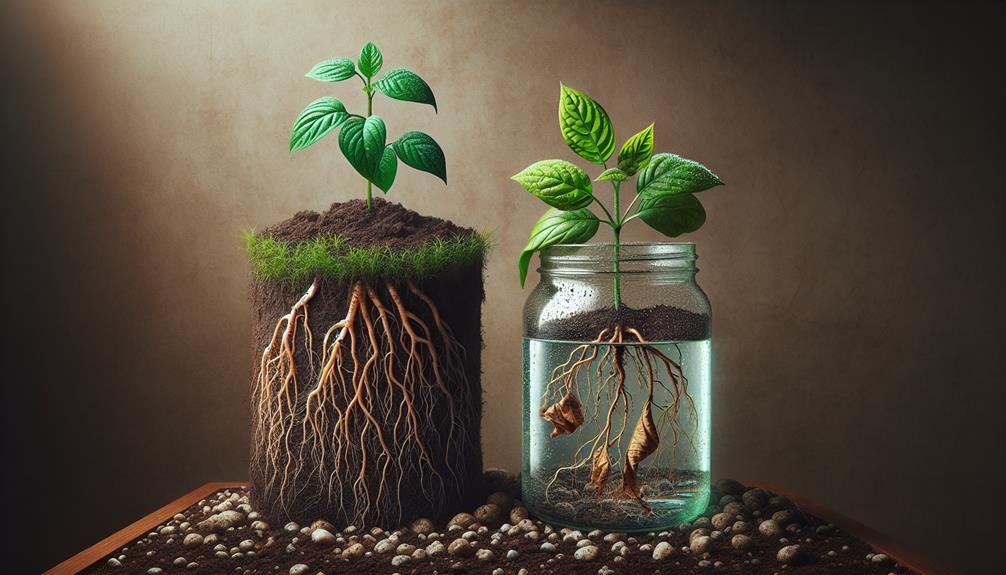
When it comes to houseplant propagations, it's like trying to master a delicate art form. You carefully select the cuttings, provide the necessary care, and eagerly await new growth.
Yet, sometimes, despite your best efforts, things don't go as planned. Have you ever wondered why your attempts at propagating houseplants end in disappointment?
Let's uncover some common pitfalls that might be hindering your success.
Improper Cutting Techniques
To ensure successful propagation, mastering proper cutting techniques is crucial. When taking cuttings from your houseplants, remember to use sharp, clean scissors or shears to make precise cuts. Avoid crushing or tearing the plant tissue, as this can impede the healing process and increase the risk of infections. Cut just below a node at a 45-degree angle to provide a larger surface area for root development.
After taking the cuttings, remove any leaves that would be below the waterline when placed in a propagation vessel. These submerged leaves can rot and create an environment conducive to fungal growth. Additionally, ensure that each cutting has at least one node, as this is where new roots will emerge.
When placing the cuttings in water or soil for propagation, make sure they're positioned upright and secure. Maintain consistent moisture levels and provide indirect sunlight to encourage root growth. By following these proper cutting techniques, you can increase the likelihood of successful propagation and enjoy healthy new plants in your home.
Inadequate Light Exposure
Mastering proper cutting techniques is key to successful propagation, and inadequate light exposure can hinder the growth of your houseplants. When propagating houseplants, it's essential to provide them with sufficient light to support their growth. Without proper exposure to light, your plant cuttings may struggle to photosynthesize effectively, leading to stunted growth or even the death of the cutting.
Houseplants generally require bright, indirect light for successful propagation. Placing your cuttings in a dimly lit area or far away from a window can result in insufficient light exposure. To ensure adequate light, consider placing your propagations near a window where they can receive indirect sunlight for a good portion of the day. If natural light is limited in your space, supplement it with artificial grow lights to provide the necessary light intensity for healthy growth.
Overwatering or Underwatering
Improper watering practices can significantly impact the success of your houseplant propagation efforts. Overwatering is a common mistake that can lead to root rot and hinder the growth of new plants. When you water your propagated cuttings too frequently, the excess moisture can suffocate the roots and cause them to decay. On the other hand, underwatering can also be detrimental. If you neglect to provide enough water to your propagations, the roots may dry out, leading to wilting and stunted growth. It's crucial to strike a balance and ensure that you're watering your plant cuttings appropriately.
To avoid overwatering or underwatering, monitor the moisture levels in the soil regularly. Stick your finger into the soil to check if it's dry before watering again. Additionally, choose pots with drainage holes to prevent water from accumulating at the bottom. By adjusting your watering routine based on the specific needs of your propagated plants, you can increase the chances of successful propagation.

Incorrect Soil Conditions
Avoiding incorrect soil conditions is crucial for successful houseplant propagation. Using the wrong type of soil can hinder root development and overall plant growth. When propagating houseplants, opt for a well-draining soil mix specifically designed for propagation. Regular potting soil may retain too much moisture, leading to root rot, while sandy soil may dry out too quickly, causing stress to the young plant.
Ensure that the soil you choose is light, airy, and provides good aeration to the roots. A mix of peat moss, perlite, and vermiculite is often recommended for propagating houseplants. These components help maintain the right balance of moisture and oxygen around the roots, promoting healthy growth.
Avoid using heavy garden soil or soil that has been used for an extended period, as it may be depleted of essential nutrients. Additionally, steer clear of soils with high levels of fertilizer, as they can burn delicate young roots. By selecting the correct soil mix, you set your houseplants up for successful propagation and vigorous growth.
Lack of Humidity Control
To ensure successful houseplant propagation, maintaining proper humidity control is key. Lack of humidity control can significantly hinder the growth of new plants from cuttings or seeds. When the air is too dry, the moisture in the soil evaporates quickly, leading to dehydration of the plant material. This can cause wilting, stunted growth, or even death of the propagation.
To combat this issue, consider using a humidity dome or a misting system to create a more suitable environment for your plant cuttings. These tools help retain moisture around the plants, promoting healthy growth. Additionally, grouping your propagations together can create a microclimate with higher humidity levels, benefiting all the plants involved.
It's crucial to monitor the humidity levels regularly, especially if you live in a dry climate or during the winter months when indoor air tends to be drier. By paying attention to humidity control and making adjustments as needed, you can improve the success rate of your houseplant propagations and enjoy a thriving indoor garden.
Frequently Asked Questions
Can Houseplants Be Propagated Using Water Propagation Methods?
Yes, houseplants can be propagated using water propagation methods.
This technique involves placing plant cuttings in water until they develop roots, making it an easy and effective way to grow new plants.
Water propagation is commonly used for a variety of houseplants, allowing you to expand your indoor garden with minimal effort.
Give it a try and watch your plant collection grow!
How Can Temperature Fluctuations Affect the Success of Houseplant Propagations?
Temperature fluctuations can have a significant impact on the success of your houseplant propagations. Sudden changes in temperature can stress the plants, affecting their growth and development. It's crucial to provide a stable and suitable environment for your propagations to thrive.
Keep an eye on the temperature levels and try to maintain a consistent range to support healthy growth. By controlling temperature fluctuations, you can improve the chances of successful propagations.
Is It Necessary to Use Rooting Hormone When Propagating Houseplants?
When propagating houseplants, using rooting hormone isn't always necessary, but it can certainly increase your chances of success. Rooting hormone helps stimulate root growth, aiding in the propagation process.
While some plants can root without it, others may benefit from the extra boost provided by the hormone. It's a helpful tool to consider for improving your success rate when propagating houseplants.
Can Houseplants Be Propagated at Any Time of Year, or Are There Specific Seasons That Are Better for Propagation?
You can propagate houseplants at any time of year, but some seasons might be more favorable. Spring and summer are ideal for most plants because of increased growth rates and sunlight. However, with proper care and attention, successful propagation can be achieved year-round.
Consider factors like temperature, light, and plant species when deciding the best time to propagate your houseplants.
Happy propagating!
Are There Specific Pests or Diseases That Commonly Affect Houseplant Propagations?
When propagating houseplants, pests like spider mites or fungus gnats can be common nuisances. Keeping a close eye on your plant babies can help you catch any issues early on.
Regularly inspect the leaves and soil for signs of infestations. By being proactive and treating any problems promptly, you can help ensure successful propagation and healthy plants.
Keep vigilant, and your green friends will thank you!
Conclusion
So, next time you're propagating houseplants, remember to:
- Use proper cutting techniques
- Provide adequate light exposure
- Water your plants just right
- Use the correct soil conditions
- Control the humidity levels
By avoiding these common mistakes, you can increase the chances of successful plant propagation and watch your green thumb flourish!



