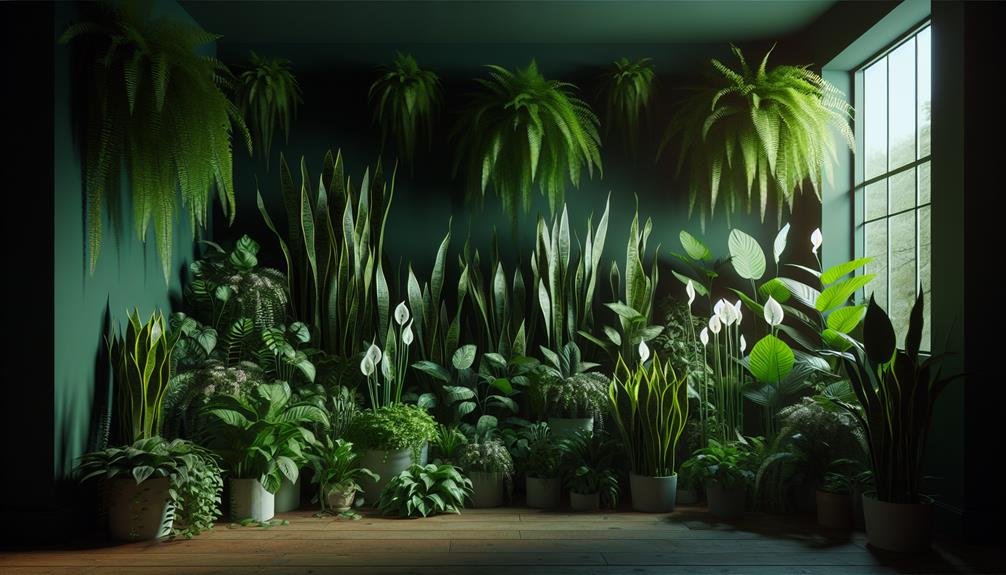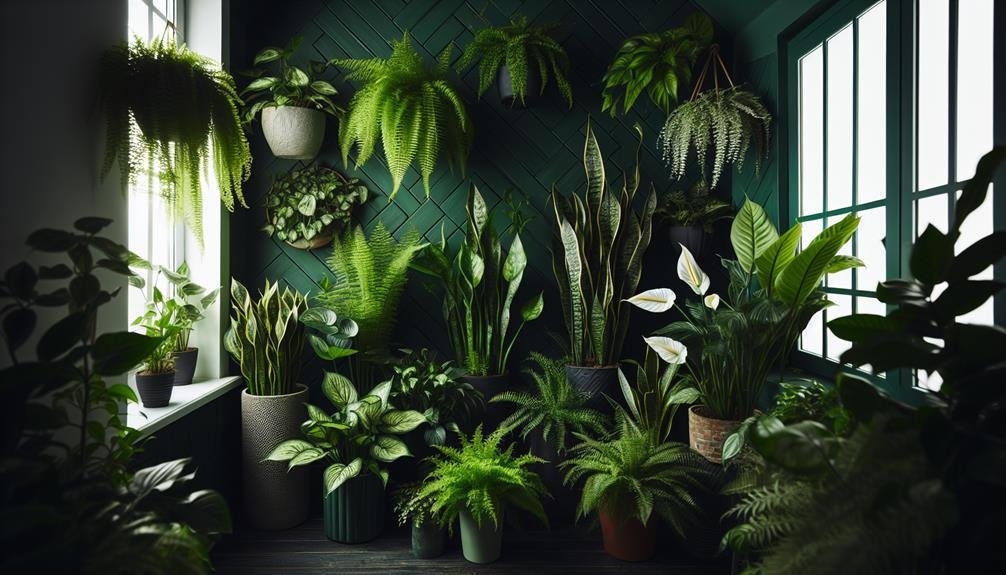
You know the saying, 'A breath of fresh air?' Well, have you ever considered how houseplants could be the key to a restful night's sleep?
The connection between houseplants and sleep quality is a fascinating topic that goes beyond just adding greenery to your bedroom. There are specific reasons why having houseplants in your sleeping space can make a significant difference in the quality of your rest.
Curious to learn more about how these leafy companions can transform your nights?
The Connection Between Plants and Sleep
Having plants in your bedroom can positively impact your sleep quality. The presence of plants can create a calming and relaxing environment, helping you unwind after a long day. When you enter your bedroom and see vibrant greenery, your stress levels may decrease, promoting a sense of tranquility that's conducive to better sleep.
Plants also release oxygen during photosynthesis, which can improve the quality of the air in your bedroom. This increase in oxygen levels can lead to better breathing and overall respiratory health, allowing you to breathe more easily as you drift off to sleep. In addition, certain plants, like lavender or jasmine, emit soothing fragrances that have been shown to promote relaxation and improve sleep quality.
How Houseplants Purify Indoor Air
Houseplants play a significant role in purifying indoor air, benefiting your overall health and well-being. These green companions aren't just decorative; they also act as natural air purifiers by absorbing carbon dioxide and releasing oxygen through photosynthesis.
Furthermore, houseplants have the remarkable ability to remove harmful toxins such as formaldehyde, benzene, and trichloroethylene from the air, which are commonly found in indoor environments due to furniture, cleaning products, and synthetic materials.
In addition to absorbing toxins, houseplants can increase humidity levels in your home, creating a more comfortable living environment and reducing respiratory issues like dry coughs or sore throats. Research has shown that certain plants like peace lilies, snake plants, and spider plants are particularly effective at improving indoor air quality.
Houseplants and Stress Reduction
To enhance your relaxation and reduce stress levels, consider incorporating indoor plants into your living spaces. Houseplants have been shown to have a calming effect on individuals, helping to lower stress and anxiety levels. The presence of greenery indoors can create a sense of tranquility and connection to nature, promoting a peaceful environment for you to unwind after a long day.
Studies have demonstrated that simply being around plants can positively impact your mood and mental well-being. The act of caring for plants can also be therapeutic, providing a mindful activity that allows you to focus on the present moment and alleviate stress. The visual appeal of houseplants can enhance the aesthetics of your home while simultaneously boosting your overall mood.

The Role of Humidity in Sleep Quality
Maintaining optimal humidity levels in your bedroom plays a crucial role in enhancing the quality of your sleep. Humidity levels affect how comfortable you feel while sleeping, impacting your overall sleep quality. High humidity can make the air feel heavy and sticky, leading to difficulty breathing and potentially disrupting your sleep. On the other hand, low humidity can cause irritation in your nasal passages and throat, making it uncomfortable to breathe and potentially waking you up throughout the night.
To ensure an ideal sleep environment, aim for a humidity level between 30% and 50%. This range helps keep the air in your bedroom comfortably moist without being too damp or too dry. By investing in a humidifier or dehumidifier, you can regulate the humidity levels in your bedroom and create a more conducive atmosphere for restful sleep. Remember, finding the right balance in humidity levels is key to improving the overall quality of your sleep.
Best Houseplants for Better Sleep
Achieving optimal humidity levels in your bedroom sets the foundation for better sleep, and incorporating specific houseplants can further enhance your sleeping environment.
When selecting houseplants to promote better sleep, consider options such as lavender, known for its calming scent that can reduce stress and anxiety levels, ultimately aiding in relaxation before bedtime.
Aloe vera is another excellent choice as it releases oxygen at night, improving the air quality in your room for a fresher and cleaner environment conducive to sleep.
Snake plants aren't only easy to care for but also release oxygen while you sleep, promoting better breathing and potentially reducing snoring.
Additionally, jasmine plants not only enhance decor with their beautiful flowers but also have been linked to reduced anxiety levels and improved sleep quality.
Frequently Asked Questions
Can Any Houseplant Improve My Sleep Quality, or Are There Specific Types That Work Better Than Others?
Any houseplant can enhance sleep quality, but some types are particularly beneficial. Choose plants like lavender, jasmine, or aloe vera for their calming effects. These plants can help reduce stress and anxiety, promoting a more restful sleep.
Implementing these specific types may lead to improved sleep quality compared to other houseplants. Consider incorporating them into your bedroom environment for a tranquil and soothing atmosphere conducive to better sleep.
Is There a Recommended Number of Houseplants to Have in a Bedroom for Optimal Sleep Benefits?
For optimal sleep benefits in your bedroom, aim for about two to three houseplants. This quantity can help improve air quality, reduce stress, and create a calming environment conducive to better sleep.
Make sure the plants are suitable for indoor conditions and easy to maintain. Too many plants might clutter your space or require excessive care, so find a balance that works well for your room size and lifestyle.
Will Artificial Plants Have the Same Effect on Sleep Quality as Real Houseplants?
Having artificial plants in your bedroom may not provide the same sleep benefits as real houseplants. Real plants release oxygen and improve air quality, which can positively impact your sleep.
Artificial plants don't have the same air-purifying effects. For optimal sleep quality, consider incorporating real houseplants into your bedroom decor. They can help create a more restful environment conducive to a good night's sleep.
Do the Size or Placement of Houseplants in a Room Affect Their Ability to Improve Sleep Quality?
Placing houseplants strategically can impact sleep quality. Larger plants may provide more benefits compared to smaller ones. Positioning them near your bed or in corners can enhance air quality and promote relaxation.
Consider the size and placement of your houseplants to maximize their potential effects on your sleep. The right combination can create a tranquil environment conducive to a restful night's sleep.
Are There Any Potential Negative Effects of Having Too Many Houseplants in a Bedroom in Terms of Sleep Quality?
Having too many houseplants in your bedroom could potentially lead to negative effects on your sleep quality. Some plants release oxygen at night, which might disrupt your sleep if there are too many in a small space.
Additionally, some people may be sensitive to pollen or scents from certain plants, causing allergies or discomfort that could interfere with restful sleep. It's important to find a balance to ensure your plants support rather than hinder your sleep.
Conclusion
So, if you want to improve your sleep quality, consider adding some houseplants to your bedroom.
Not only do they purify the air and reduce stress, but they can also help regulate humidity levels for a more comfortable sleep environment.
Choose plants like lavender, jasmine, or aloe vera for their sleep-promoting benefits.
With a little greenery in your space, you'll be on your way to a more restful night's sleep in no time.