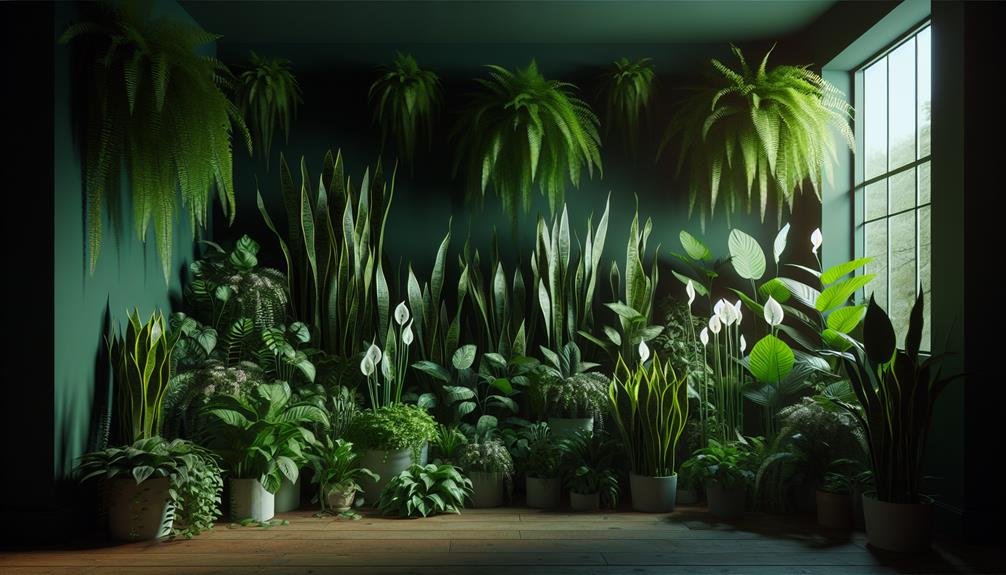
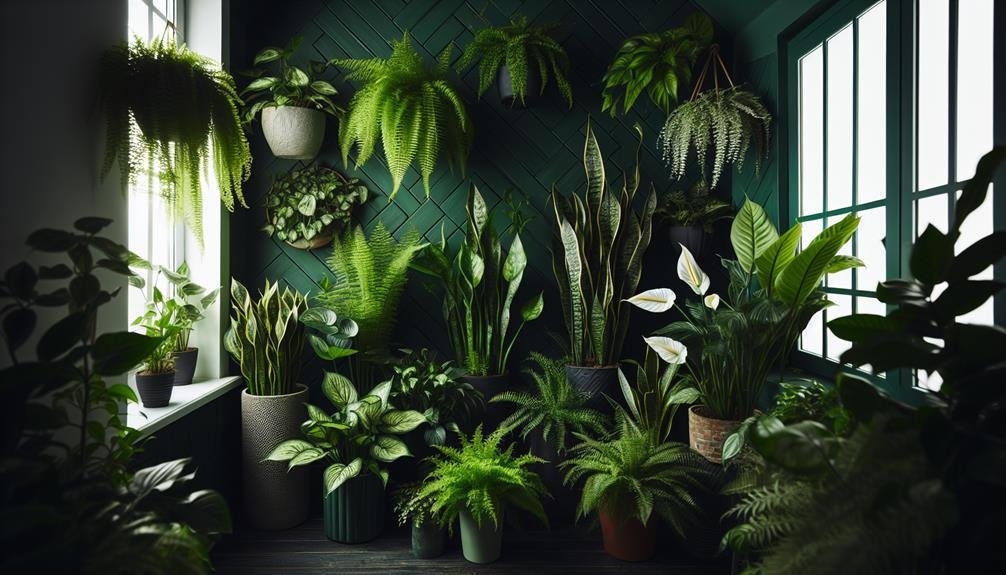
When it comes to indoor houseplants, you may wonder why they flourish in low light conditions. Their ability to adapt, utilize light effectively, and withstand fluctuations play key roles.
But have you considered the fascinating ways these green companions have evolved to thrive in such environments? Stay tuned to discover the secrets behind their success in low light settings and how you can optimize their growth in your own home.
Adaptations for Low Light Survival
To thrive in low light conditions, indoor houseplants have developed unique adaptations that enhance their ability to survive and grow effectively. One key adaptation is the ability to efficiently utilize available light. Plants like peace lilies and snake plants have evolved to capture and make the most of the limited light they receive indoors. Their leaves are often larger and broader, allowing them to absorb as much light as possible for photosynthesis.
Additionally, indoor houseplants have adapted by being more efficient in their water usage. In low light conditions, plants tend to photosynthesize at a slower rate, which means they require less water. This adaptation helps them conserve water and thrive in environments where light and resources may be scarce.
Moreover, many indoor houseplants have developed the ability to store energy effectively. Plants store excess energy from photosynthesis in their roots, stems, or specialized storage structures. This stored energy can then be used during periods of low light to sustain growth and overall health. By developing these adaptations, indoor houseplants can flourish even in low light conditions.
Photosynthesis in Dim Environments
In dim environments, indoor houseplants efficiently adapt their photosynthesis process to thrive with limited light. When light is scarce, plants have to make the most of what they receive. In low light conditions, houseplants like peace lilies and snake plants adjust by producing more chlorophyll, the pigment that helps them absorb light. This allows them to capture whatever light is available more effectively. Additionally, plants in dim environments may also optimize their stomata, tiny openings on their leaves, to reduce water loss while still allowing for gas exchange crucial to photosynthesis.
Furthermore, indoor plants facing low light levels tend to have lower rates of photosynthesis compared to those in well-lit areas. To compensate for this, they may slow down their overall growth, producing fewer leaves and smaller stems. This adaptation helps them conserve energy and resources while still sustaining their vital functions. By adjusting their photosynthesis process in response to dim environments, indoor houseplants can survive and even thrive in conditions where light is limited.
Efficient Use of Available Light
When faced with low light conditions, indoor houseplants demonstrate remarkable adaptability by efficiently utilizing the available light to sustain their growth and vitality. These green companions have evolved mechanisms to make the most of every photon that filters through your windows.
One key strategy is maximizing the surface area exposed to light. You may notice plants positioning their leaves to catch as much light as possible or even developing larger, broader leaves to capture more sunlight. Additionally, houseplants have specialized cells containing chlorophyll that efficiently absorb and convert light energy into the sugars they need for growth.
Moreover, indoor plants have the ability to adjust their photosynthetic rate based on the available light. They can regulate the opening and closing of their stomata to minimize water loss while still taking in carbon dioxide for photosynthesis. This dynamic response ensures that houseplants can thrive even in dimly lit environments, efficiently using the light they receive to stay healthy and vibrant.

Tolerance to Light Intensity Fluctuations
Houseplants in low light conditions demonstrate impressive adaptability by adjusting their tolerance to fluctuations in light intensity. These plants have evolved to cope with varying light levels by modifying their physiological processes. For example, they can quickly adjust the size and number of chloroplasts in their cells to capture and utilize available light more efficiently. This flexibility allows them to thrive even in environments with inconsistent lighting conditions.
Plants like the Peace Lily, Spider Plant, and Pothos are known for their ability to withstand changes in light intensity. They can acclimate to low light by reducing their energy requirements and slowing down their growth rate. When exposed to brighter light, they can gradually increase their photosynthetic activity to make use of the additional energy.
Top Low Light Houseplant Recommendations
For optimal indoor plant selection in low light conditions, consider these top recommendations. Spider plants are excellent choices for low light environments due to their resilience and ability to thrive with minimal sunlight. Their green and white striped leaves can brighten up any room.
Another great option is the pothos plant, known for its trailing vines and heart-shaped leaves. Pothos are low maintenance and can adapt well to low light settings.
If you're looking for a plant with unique foliage, the cast-iron plant is a sturdy option that can withstand neglect and low light conditions.
Peace lilies are also fantastic low light houseplants, producing beautiful white flowers while purifying the air in your home.
Lastly, the snake plant is a hardy choice that can survive in almost any lighting situation, making it perfect for low light areas.
These top recommendations won't only survive but also thrive in your low light indoor spaces.
Frequently Asked Questions
Can Indoor Houseplants Survive in Complete Darkness?
Indoor houseplants generally can't survive in complete darkness as they need some light for photosynthesis. While they can tolerate low light conditions, total darkness will eventually lead to their demise.
Light is essential for plants to produce energy and grow. Make sure to provide them with at least some light, even if it's minimal, to keep them healthy and thriving.
Do Low Light Houseplants Still Need to Be Watered Regularly?
Yes, low light houseplants still need to be watered regularly to thrive. Even though these plants can survive in less light, they still require water to grow and remain healthy.
It's important to monitor the soil moisture levels and adjust your watering routine accordingly to ensure that your low light houseplants get the hydration they need. Remember, consistent watering is key to keeping them happy and flourishing.
Are There Any Specific Types of Indoor Houseplants That Are Better Suited for Low Light Conditions Than Others?
When choosing indoor plants for low light conditions, opt for varieties like snake plants, pothos, or peace lilies. These plants are better suited to thrive in environments with minimal natural light.
Remember to consider the specific needs of each type of plant and adjust your care routine accordingly. By selecting plants that are well-suited for low light, you can create a green oasis in even the darkest corners of your home.
How Long Can Indoor Houseplants Go Without Any Natural Light Before They Start to Wilt?
Indoor houseplants can typically go without natural light for about 2-3 weeks before they start to wilt. It's essential to monitor your plants closely and provide artificial light if needed to keep them healthy.
Remember to adjust watering schedules during periods of low light to prevent overwatering. If you notice signs of wilting, move your plants to a brighter location or invest in grow lights to help them thrive.
Will Artificial Light Sources, Such as Grow Lights, Be Effective for Helping Indoor Houseplants Thrive in Low Light Environments?
Artificial light sources, like grow lights, can definitely be effective for helping your indoor houseplants thrive in low light environments. These specialized lights provide the necessary spectrum for plant growth and can supplement natural light.
Placing them strategically can make a significant difference in the health of your plants. Remember to adjust the intensity and duration of light exposure based on the specific needs of each plant species for optimal results.
Conclusion
Overall, indoor houseplants thrive in low light due to their unique adaptations for survival in dim environments. They've evolved to efficiently use available light, tolerate fluctuations in light intensity, and continue to carry out photosynthesis even in less than ideal conditions.
With the right care and selection of low light houseplants, you can enjoy the beauty and benefits of greenery in your home, even in areas with limited natural light.