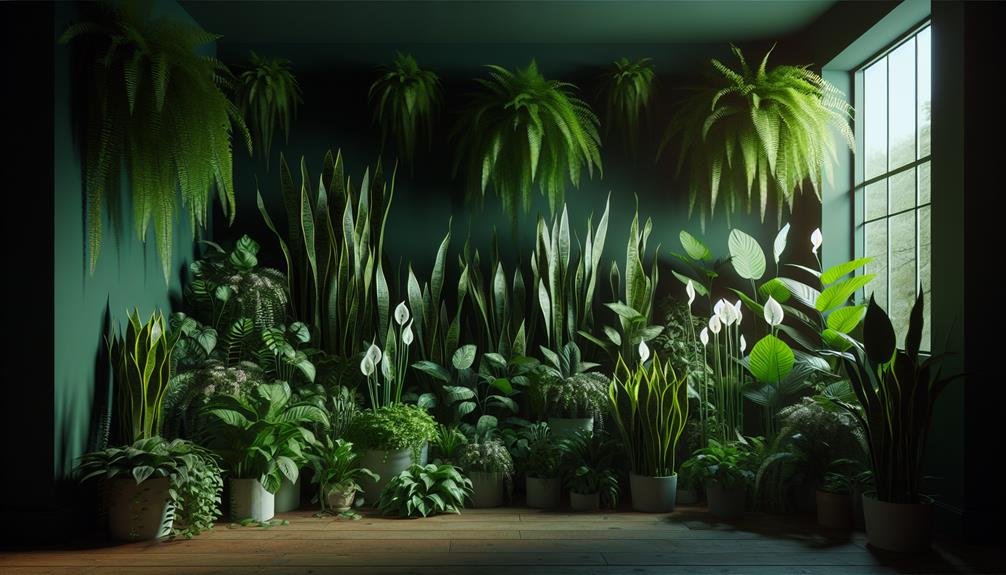
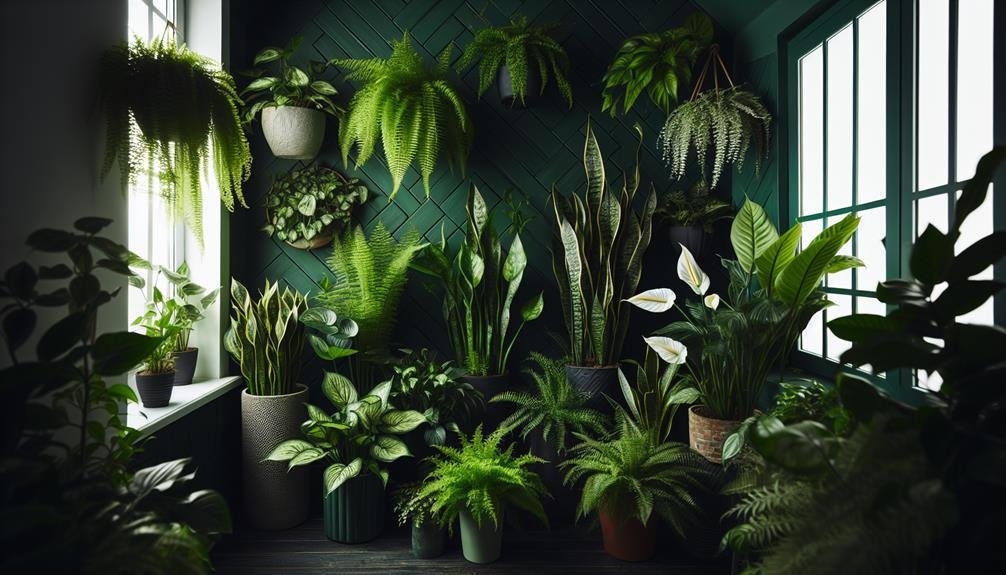
For some indoor plants, prospering in low light is more than just a possibility; it's a preference. Have you ever wondered how these green companions manage to thrive in dimly lit spaces? The secret lies in their innate ability to adapt and excel under conditions where light is limited.
But what exactly sets these plants apart and allows them to flourish in environments where others struggle to survive? Let's uncover the fascinating reasons behind their success in the shadows and shed light on their impressive resilience to low light conditions.
Natural Adaptations for Low Light
Indoor plants naturally develop unique adaptations to thrive in low light conditions. One common adaptation is larger and broader leaves that help maximize the surface area available for light absorption. These broad leaves are efficient at capturing whatever light is accessible, allowing the plant to photosynthesize effectively even in dim environments.
Furthermore, some indoor plants have evolved to have a higher chlorophyll content in their leaves. Chlorophyll is the pigment responsible for absorbing light during photosynthesis. By having more chlorophyll, these plants can make the most out of the limited light available, converting it into energy more efficiently.
Additionally, certain indoor plants have developed the ability to open their stomata at night. Stomata are tiny openings on the surface of leaves that allow for gas exchange. By opening their stomata during the night when transpiration rates are lower, these plants can conserve water while still taking in carbon dioxide needed for photosynthesis. This adaptation helps them thrive in low light conditions where water availability may be limited.
Efficient Photosynthesis in Dim Conditions
To thrive in dim conditions, plants optimize their photosynthesis process through specialized adaptations. One key strategy is increasing the efficiency of light capture. Plants in low light environments have adapted by producing larger, thinner leaves to maximize light absorption. These leaves have a larger surface area to capture available light and are thinner to allow light to penetrate deeper into the leaf where photosynthesis occurs.
Moreover, plants thriving in low light have developed enhanced chloroplast efficiency. Chloroplasts are the cellular organelles responsible for photosynthesis. In dim conditions, plants have more chloroplasts per cell, allowing for increased photosynthetic activity. Additionally, these chloroplasts contain a higher concentration of chlorophyll, the pigment that captures light energy, further boosting photosynthetic efficiency.
Resilient to Light Variability
Plants adapted to low light environments also exhibit resilience to light variability. These plants have developed mechanisms that allow them to cope with fluctuations in light levels, making them well-equipped to thrive in indoor settings with changing light conditions.
One key adaptation is their ability to adjust their photosynthetic processes rapidly in response to changes in light intensity. When light levels drop, these plants can efficiently utilize the available light to carry out photosynthesis, ensuring they can continue to produce energy for growth and development. Similarly, when light levels increase, they can quickly regulate their photosynthetic rate to prevent damage from excessive light exposure.
This resilience to light variability is particularly beneficial for indoor plants, as they're often subjected to fluctuations in natural light coming through windows or artificial light sources being turned on and off. By being able to adapt to these changes, plants can maintain healthy growth and continue to thrive even in less than ideal lighting conditions.

Genetic Predisposition to Shade
With a genetic predisposition to shade, certain plant species have evolved specialized mechanisms to thrive in low light environments. These plants have adapted over time to efficiently capture and utilize the limited light available in their natural habitats. One key genetic adaptation is the ability to produce larger and broader leaves, which helps maximize light absorption. Additionally, these plants often have higher chlorophyll concentrations in their leaves, allowing them to make the most of the minimal light they receive.
Plants with a genetic predisposition to shade also exhibit enhanced abilities to convert light into energy through processes like photosynthesis. They may have evolved more efficient photosynthetic pathways or have developed mechanisms to quickly adjust their photosynthetic rate in response to changes in light intensity. These genetic traits give these plants a competitive advantage in low light conditions, allowing them to thrive where other species might struggle to survive.
Through these genetic adaptations, these plants have become well-suited for indoor environments with limited natural light, making them popular choices for indoor gardening.
Thriving in Indoor Environments
Indoor gardening enthusiasts can easily create optimal conditions for plants with a genetic predisposition to shade by providing suitable low light environments within their homes. When setting up your indoor garden, consider placing plants near windows with sheer curtains or in corners where they can receive indirect sunlight. This way, you can mimic the dappled light conditions that these plants thrive in naturally. Additionally, ensure that your plants aren't exposed to direct sunlight, as this can lead to sunburn and damage their delicate leaves.
In indoor environments, it's crucial to maintain consistent temperatures and humidity levels to support plant growth. Consider using a humidifier or pebble trays filled with water to increase moisture in the air, especially during the dry winter months. Regularly dusting off plant leaves with a damp cloth can also help them photosynthesize efficiently by removing any buildup that blocks sunlight.
Frequently Asked Questions
Can Indoor Plants That Thrive in Low Light Still Benefit From Occasional Exposure to Direct Sunlight?
Yes, indoor plants that thrive in low light can benefit from occasional exposure to direct sunlight. Even though they prefer low light conditions, some exposure to direct sunlight can provide them with essential nutrients and energy to support their growth.
Just make sure not to place them in direct sunlight for extended periods as it may cause damage to their leaves. A balance of both low light and occasional direct sunlight is ideal for their health.
Are There Ways to Enhance the Growth of Low Light Indoor Plants Without Increasing the Amount of Light They Receive?
To enhance the growth of low light indoor plants without increasing light exposure, focus on other factors. Ensure proper watering, use well-draining soil, and regularly fertilize. Rotate plants to promote even growth.
Keep an eye on humidity levels and maintain a consistent temperature. Prune dead leaves and provide adequate airflow. These practices can help your low light plants thrive without needing more light.
What Are Some Common Mistakes That People Make When Caring for Indoor Plants That Prefer Low Light Conditions?
When caring for indoor plants that prefer low light conditions, common mistakes include overwatering, using the wrong type of soil, and neglecting to clean the leaves. Remember to water only when the soil is dry, choose well-draining soil, and wipe the leaves regularly to keep them dust-free.
Avoid placing plants too close to heating or cooling vents, as this can stress them. Proper care will help your low-light plants thrive.
How Do Low Light Indoor Plants Compare to High Light Plants in Terms of Water and Nutrient Requirements?
Low light indoor plants generally require less water and nutrients compared to high light plants. Their growth rate is slower, so they don't need as much sustenance. With less light, the photosynthesis process is reduced, leading to lower energy production.
Therefore, these plants have adapted to thrive in low light conditions by being more efficient in their water and nutrient usage. Make sure to adjust your care routine accordingly for optimal growth.
Are There Certain Types of Low Light Indoor Plants That Are More Suitable for Beginners With Limited Gardening Experience?
For beginners with limited gardening experience, low light indoor plants like pothos, spider plants, and peace lilies are great choices. These plants are hardy and require minimal maintenance, making them ideal for those new to indoor gardening.
They can thrive in low light conditions and are forgiving if you forget to water them occasionally. Start with these easy-to-care-for plants to build your confidence and green thumb skills.
Conclusion
So next time you're looking for indoor plants that can thrive in low light, remember that these plants have natural adaptations to make the most of dim conditions.
Their efficient photosynthesis, resilience to light variability, genetic predisposition to shade, and ability to thrive indoors make them perfect choices for your home.
Choose these low-light loving plants to add some greenery to your space without worrying about providing them with too much sunlight.