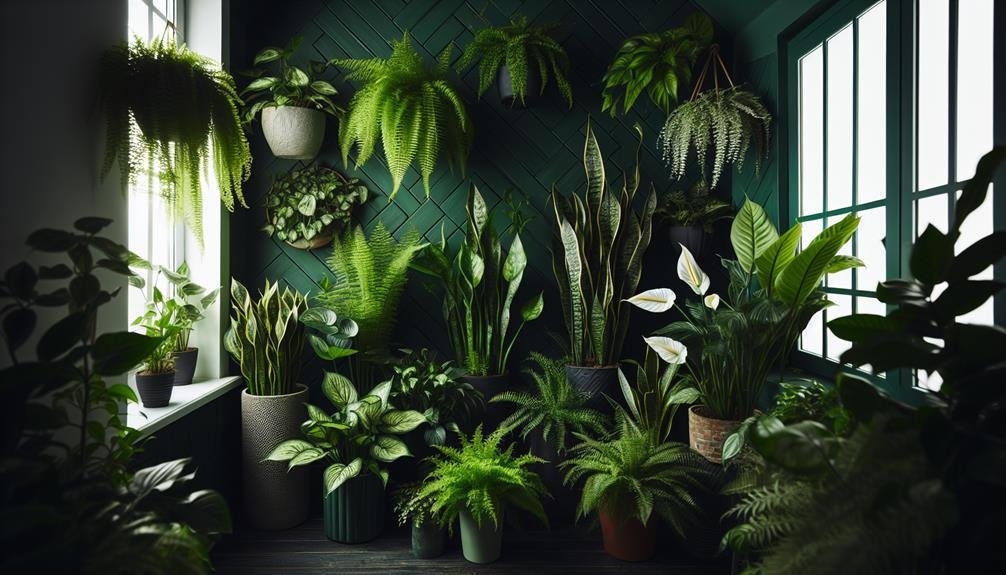
Soil is essential for plant growth because it provides necessary nutrients like nitrogen, phosphorus, and potassium. These nutrients are absorbed by plants through their roots, supporting healthy development. Soil also helps with water retention, ensuring plants receive an adequate water supply to prevent dehydration and stunted growth. Additionally, soil offers root anchorage, promoting stability and preventing plant damage during strong winds or heavy rains. Beneficial soil microorganisms break down organic matter, release nutrients, and protect plants from diseases. Maintaining the right pH balance in soil is key for nutrient availability and plant health. Understanding soil's role is crucial for successful gardening.
Nutrient Absorption
To maximize plant growth, make sure your soil is rich in essential nutrients like nitrogen, phosphorus, and potassium. These nutrients are critical for the healthy development of plants, providing them with the necessary building blocks for growth. When your soil lacks these key nutrients, plants may struggle to thrive, leading to stunted growth and poor yield.
Plants absorb these nutrients through their roots, utilizing specialized structures to take in what they need from the soil. Nitrogen is vital for leafy green growth, phosphorus aids in root development and flower production, while potassium helps with overall plant health and disease resistance.
When you guarantee your soil is properly nourished with these essential nutrients, you're setting the stage for vibrant and robust plant growth. By providing your plants with the necessary building blocks they need to flourish, you're taking a critical step towards cultivating a thriving garden or landscape.
Water Retention
Ensuring proper water retention in your soil is essential for supporting healthy plant growth. Adequate water retention allows the soil to hold onto moisture, ensuring that your plants have a consistent water supply for their growth and development.
When soil lacks proper water retention, plants can suffer from dehydration, wilting, and stunted growth. To improve water retention in your soil, consider incorporating organic matter such as compost or peat moss, which can help retain moisture and create a more balanced environment for your plants.
Additionally, using mulch around your plants can also help reduce water evaporation from the soil, maintaining a more stable moisture level. It's important to water your plants deeply but infrequently to encourage deep root growth and improve water retention in the soil.
Root Anchorage
Proper root anchorage is vital for maintaining the stability and structural integrity of plants in your garden. When roots anchor securely into the soil, they provide essential support for the plant, preventing it from toppling over during strong winds or heavy rains. This anchorage is critical for the overall health and growth of your plants.
Without strong root anchorage, plants may struggle to stay upright, leading to a range of issues such as stunted growth, wilting, and even death in severe cases. Imagine a plant with weak root anchorage swaying perilously in the wind, unable to uptake nutrients effectively or withstand environmental stressors. By ensuring proper root anchorage through healthy soil conditions, you're safeguarding your plants and promoting their well-being.
To enhance root anchorage, choose plants that are suited to your specific soil type and promote proper watering to encourage deep root growth. Additionally, avoid compacting the soil around plants, as this can hinder root development and anchorage. Remember, a strong foundation below the surface is key to a thriving garden above ground.

Soil Microorganisms
In healthy soil, numerous microorganisms play essential roles in supporting plant growth and overall ecosystem health. These tiny organisms, such as bacteria, fungi, and protozoa, work diligently to break down organic matter, releasing essential nutrients like nitrogen, phosphorus, and potassium that plants need to thrive.
They also help improve soil structure, making it easier for plant roots to access water and nutrients. Additionally, soil microorganisms play an important role in protecting plants from diseases by outcompeting harmful pathogens and promoting plant immunity.
Ph Balance
When soil microorganisms interact with plant roots and organic matter, the pH balance of the soil becomes a crucial factor influencing nutrient availability and plant health. The pH scale ranges from 0 to 14, with 7 being neutral. Different plants thrive in different pH levels, so it's vital to know the ideal pH range for the plants you're growing.
If the soil is too acidic (low pH), essential nutrients like nitrogen, phosphorus, and potassium become less available to plants. On the other hand, if the soil is too alkaline (high pH), certain nutrients may also become inaccessible.
To maintain optimal plant growth, regularly test the pH of your soil. You can adjust the pH by adding amendments like lime to raise pH or sulfur to lower it. Remember, maintaining the correct pH balance in the soil is crucial for promoting healthy plant growth and maximizing nutrient uptake. Keep an eye on your soil's pH levels to support your plants' well-being.
Frequently Asked Questions
How Can Soil Quality Affect the Taste and Nutritional Value of Fruits and Vegetables Grown in It?
To improve taste and nutrition in fruits and vegetables, soil quality plays a crucial role. Nutrient-rich soil supports healthy plant growth, resulting in delicious and nutrient-dense produce.
Soil composition directly impacts the levels of essential minerals and vitamins absorbed by plants, influencing their taste and nutritional content. By ensuring ideal soil conditions through proper fertilization and irrigation, you can greatly influence the quality of the fruits and vegetables you grow.
Can Soil Pollution or Contamination Have Negative Effects on Plant Growth and Development?
Soil pollution or contamination can indeed have negative effects on plant growth and development. These issues can alter the soil's nutrient composition, affecting the plants' ability to absorb essential nutrients.
Additionally, pollutants can hinder root development and disrupt vital microbial activity in the soil. Ultimately, soil pollution can lead to stunted growth, reduced yields, and even toxicity in plants, impacting overall crop health and productivity.
Are There Any Alternative Methods for Plant Growth That Do Not Involve Traditional Soil-Based Gardening?
There are indeed alternative methods for plant growth that don't rely on traditional soil-based gardening. Hydroponics, aquaponics, and aeroponics are popular soilless techniques. Hydroponics uses nutrient-rich water, while aquaponics combines aquaculture and hydroponics. Aeroponics involves growing plants in an air/mist environment.
These methods provide controlled environments for plants to thrive, offering advantages like water conservation and space efficiency. Consider exploring these innovative techniques for your gardening needs.
What Role Do Earthworms Play in Maintaining Soil Health and Promoting Plant Growth?
Earthworms are essential for soil health and plant growth. They burrow through the soil, aerating it and improving drainage. Earthworms break down organic matter, releasing nutrients that plants need to thrive.
Their castings, or waste, are rich in nutrients, acting as a natural fertilizer. By tunneling, earthworms create pathways for roots to grow, enhancing plant access to water and nutrients.
How Do Different Types of Soil (Such as Sandy, Clay, or Loamy) Impact the Growth of Various Plant Species?
Different types of soil, like sandy, clay, or loamy, can have a substantial impact on plant growth. Sandy soil drains quickly, which may lead to water and nutrient deficiencies for some plants. Clay soil retains water well but can become compacted, affecting root growth. Loamy soil, a mix of sand, silt, and clay, offers good drainage and nutrient retention, making it ideal for many plants.
Understanding your soil type is essential for successful gardening.
Conclusion
To sum up, soil is indispensable for plant growth due to its role in nutrient absorption, water retention, root anchorage, soil microorganisms, and maintaining pH balance. Without soil, plants wouldn't be able to access the necessary nutrients, water, and support needed to thrive.
It's evident that soil is an essential component in the growth and health of plants, underscoring the significance of preserving and nurturing this valuable resource for sustainable agriculture and ecosystem health.