
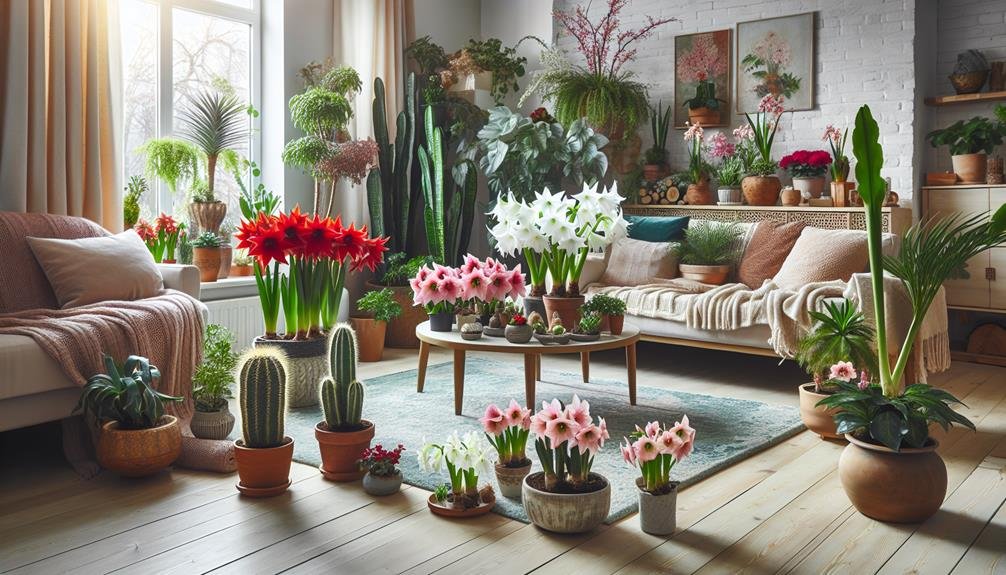
If you seek a touch of tranquility during the chilly winter months, consider welcoming winter-blooming houseplants into your home. These silent sentinel blossoms can bring a slice of springtime indoors when frost rules outside.
Discover the secret to nurturing these blooms and adding a dash of color and life to your winter sanctuary. Explore the allure of these unique plants and unearth the joy they can bring to your living space.
Benefits of Winter-Blooming Houseplants
Winter-blooming houseplants provide a vibrant burst of color and cheer during the dreary winter months. These plants offer more than just aesthetics; they also have numerous benefits for both you and your home. One significant advantage is the improvement of indoor air quality. During winter, when windows are often kept closed, houseplants act as natural air purifiers by absorbing toxins and releasing oxygen, creating a healthier environment for you to breathe in.
Having winter-blooming houseplants can also boost your mood and overall well-being. The bright blooms and lush foliage can help combat the winter blues and make your living space feel more lively and inviting. Taking care of these plants can also provide a sense of purpose and accomplishment during the colder months, giving you a rewarding hobby to focus on.
Furthermore, winter-blooming houseplants can increase humidity levels in your home, which is beneficial for both your respiratory health and for preventing dry skin. By releasing moisture into the air through a process called transpiration, these plants can help alleviate some of the discomforts commonly associated with winter, such as dry throat or cracked skin.
Top Winter-Blooming Houseplant Varieties
Discovering the most popular varieties of houseplants that bloom during the winter season can add a vibrant touch to your indoor space. Some top choices include the Christmas cactus (Schlumbergera), known for its stunning pink, red, or white flowers that bloom in winter. The African violet (Saintpaulia) is another favorite, with its delicate purple, pink, or white blossoms brightening up any room. For a touch of fragrance, consider the winter-blooming jasmine (Jasminum polyanthum), which produces sweet-smelling white flowers during the colder months. The cyclamen plant (Cyclamen persicum) is also a popular option, showcasing uniquely shaped flowers in shades of pink, red, or white.
If you prefer a more exotic choice, the moth orchid (Phalaenopsis) is an elegant winter-blooming houseplant with long-lasting blooms that come in various colors. Lastly, the peace lily (Spathiphyllum) is a classic option that not only blooms in winter but also helps purify the air in your home. Consider adding these beautiful winter-blooming houseplants to your indoor garden for a cheerful and colorful winter ambiance.
Care Tips for Winter-Blooming Houseplants
For optimal growth and blooming success, ensure you provide proper care for your winter-blooming houseplants.
Firstly, watering is crucial. Check the soil moisture regularly, as winter conditions may require less frequent watering. Make sure not to overwater, which can lead to root rot.
Secondly, provide adequate lighting. Place your winter-blooming houseplants near a window where they can receive sufficient sunlight. If natural light is limited during winter, consider using grow lights to supplement.

Additionally, maintaining the right temperature is important. Most winter-blooming houseplants prefer temperatures between 60-75°F (15-24°C) during the day and slightly cooler at night. Avoid placing them near drafts or heat sources.
Lastly, fertilize your plants sparingly. Use a balanced fertilizer at half-strength once a month during the growing season. During the blooming period, reduce fertilization to avoid stressing the plants.
Best Locations for Winter-Blooming Houseplants
To ensure your winter-blooming houseplants thrive, it's important to identify the best locations within your home that provide the ideal growing conditions. Place your plants in areas that receive ample indirect sunlight, such as near east or west-facing windows. These spots offer the right balance of light without exposing your plants to harsh direct sunlight that can scorch their leaves.
Consider the temperature and humidity levels of different rooms in your home. Winter-blooming houseplants generally prefer temperatures between 65-75°F (18-24°C) during the day and slightly cooler temperatures at night. Avoid placing them near drafts or heat sources, as sudden temperature fluctuations can stress the plants.
Additionally, make sure the chosen location offers good air circulation. Stagnant air can lead to issues like mold or pest infestations. Placing a small fan nearby on a low setting can help maintain proper air movement around your plants.
Propagating Winter-Blooming Houseplants
When propagating winter-blooming houseplants, ensure you select healthy parent plants with strong growth and vibrant blooms. This will increase the chances of successful propagation and help maintain the desirable traits in the new plants.
One common method for propagating winter-blooming houseplants is through stem cuttings. To do this, choose a healthy stem with several leaves and make a clean cut just below a node. Remove the lower leaves to expose the node, which will encourage root growth.
Dip the cut end in rooting hormone to promote root development and then plant the cutting in a well-draining soil mix. Keep the soil moist but not waterlogged, and place the cutting in a warm, bright location away from direct sunlight.
With proper care and attention, the cutting should develop roots and eventually grow into a new winter-blooming houseplant. Remember to be patient, as propagation can take some time, but the reward of seeing your new plants thrive will be worth it.
Frequently Asked Questions
Can Winter-Blooming Houseplants Survive in Low Light Conditions?
Yes, winter-blooming houseplants can indeed survive in low light conditions. These plants are typically more adaptable to varying light levels compared to other types. They may not bloom as prolifically in low light, but they can still thrive and brighten up your space.
Just make sure to provide them with adequate care and occasional exposure to brighter light to keep them healthy and blooming throughout the winter months.
Are There Any Winter-Blooming Houseplants That Are Pet-Friendly?
If you're looking for pet-friendly winter-blooming houseplants, options like African violets, Christmas cactus, and orchids can be great choices. These plants not only add a touch of color to your home during the winter months but are also safe for your furry friends.
Just remember to keep an eye on your pets to ensure they don't nibble on the plants and place them in a spot where they can thrive despite the low light conditions.
How Often Should I Fertilize My Winter-Blooming Houseplants During the Winter Months?
During the winter months, it's important to adjust your fertilizing schedule for your houseplants. Consider fertilizing your plants less frequently in winter compared to the growing season. Too much fertilizer during the colder months can harm your plants as they're in a dormant phase.
Monitor the condition of your plants and only fertilize them when necessary to support healthy growth without overfeeding them. Remember, less is often more when it comes to winter fertilizing.
Do Winter-Blooming Houseplants Require Any Special Pruning or Trimming During Their Blooming Period?
During their blooming period, winter-blooming houseplants may benefit from special pruning or trimming to maintain their shape and encourage healthy growth.
Regular deadheading of spent blooms can also promote continuous flowering.
Be sure to use clean, sharp pruning shears to make clean cuts and prevent damage to the plant.
Remember to research each specific plant's pruning needs to ensure the best care during its blooming season.
Are There Any Common Pests or Diseases That Affect Winter-Blooming Houseplants, and How Can They Be Prevented or Treated?
When caring for winter-blooming houseplants, be mindful of common pests and diseases that may trouble your plants. Keep an eye out for issues like aphids, spider mites, and powdery mildew, which can affect their health.
To prevent infestations, regularly inspect your plants and maintain good air circulation. If you notice any problems, treat them promptly with natural remedies or insecticidal soap to keep your winter blooms thriving.
Conclusion
In conclusion, adding winter-blooming houseplants to your home can bring beauty and color during the colder months.
With a variety of options to choose from and simple care tips to follow, these plants can thrive and brighten up your living space.
Consider incorporating some winter-blooming houseplants into your decor to enjoy their benefits and beauty all season long.



