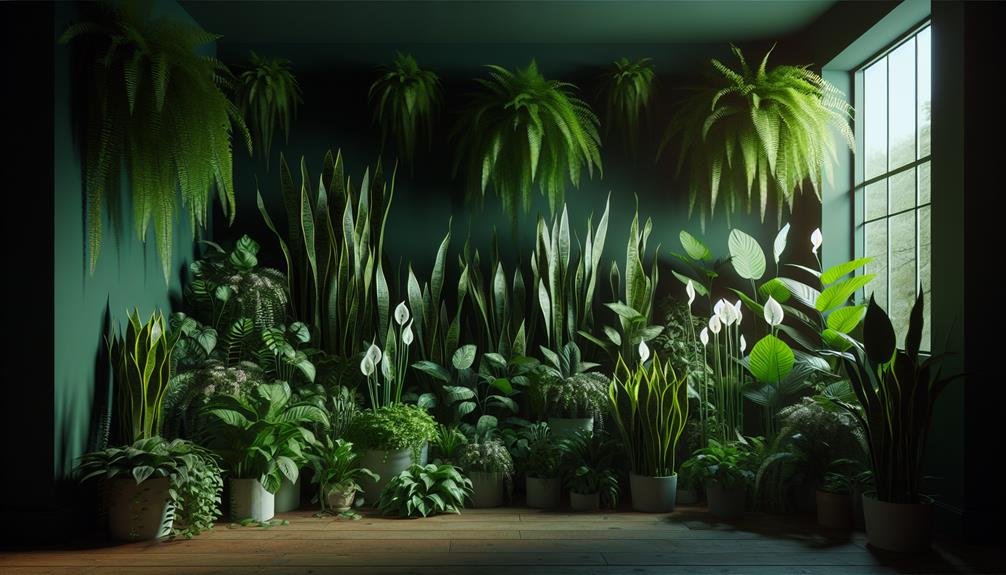
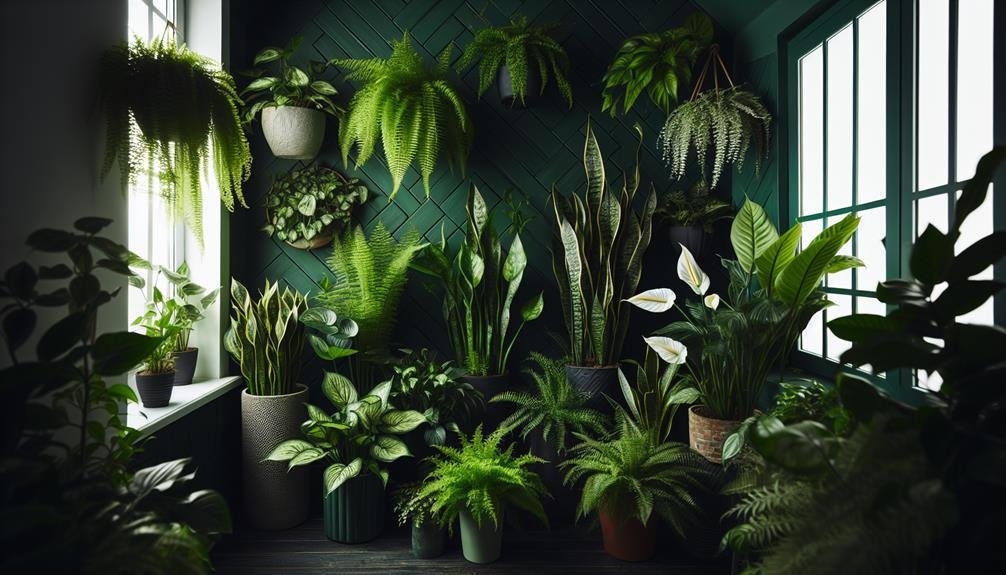
Did you know that according to the ASPCA, 58% of pet poisoning cases involve houseplants?
Curious about which pet-safe houseplants can thrive in your cat-friendly home?
Let's explore some greenery options that will keep your furry friends safe and your home looking fresh.
Benefits of Pet-Safe Houseplants
When choosing houseplants for your home, opt for pet-safe varieties to ensure the well-being of your furry companions. Not only will these plants add a touch of greenery to your living space, but they also come with a host of benefits for both you and your pets. Pet-safe houseplants can help improve the air quality in your home by reducing toxins and increasing oxygen levels. This is especially important for pets who spend most of their time indoors.
Having pet-safe houseplants can also create a calming and tranquil environment for both you and your furry friends. Studies have shown that being around plants can help reduce stress and anxiety, benefiting both humans and animals alike. Additionally, some pet-safe plants have natural insect-repelling properties, which can help keep pesky bugs at bay without the need for harmful chemicals that could potentially harm your pets.
Choosing the Right Plants
To select the most suitable houseplants for your home and pets, consider factors like toxicity levels and ease of care. When choosing plants for a cat-friendly environment, opt for varieties that are non-toxic to cats to ensure your furry friends stay safe. Some common houseplants that are considered safe for cats include spider plants, Boston ferns, and parlor palms. Research each plant before purchasing to confirm its safety for your pets.
In addition to toxicity levels, consider the care requirements of the plants. Choose plants that fit your lifestyle and level of commitment. If you tend to forget to water your plants, opt for varieties that are more drought-tolerant such as snake plants or pothos. On the other hand, if you enjoy caring for plants and have the time to dedicate to their maintenance, you may opt for more high-maintenance plants like orchids or ferns.
Easy-to-Care-for Varieties
Consider opting for easy-to-care-for varieties when selecting houseplants for your home and pets, ensuring a low-maintenance yet green environment that both you and your furry friends can enjoy.
Peace lilies are a great choice, thriving in low light and requiring watering only when the soil feels dry.
Spider plants are another excellent option, resilient and adaptable to various conditions. They can be placed in hanging baskets or on shelves, out of reach of curious paws.

Snake plants are virtually indestructible, tolerating low light and irregular watering schedules.
For a pop of color, consider African violets, which bloom in bright hues and only need moderate light.
Pothos plants are perfect for beginners, as they can thrive in different light conditions and require infrequent watering.
When looking for easy-to-care-for houseplants, these varieties offer beauty without the need for constant attention, making them ideal choices for your cat-friendly home.
Stylish Plant Display Ideas
Enhance your living space with creative and chic ways to display your pet-safe houseplants. Elevate your interior design by incorporating your green friends into your decor. Consider hanging planters to add a touch of whimsy to your space while keeping your furry friends safe from nibbling on the plants. Wall-mounted shelves can create a striking visual display, allowing your plants to cascade down in a natural and eye-catching way.
For a minimalist look, opt for sleek and modern plant stands to showcase your pet-safe houseplants. These stands come in various designs and materials, such as metal or wood, to complement your existing decor effortlessly. Terrariums are another stylish option, perfect for housing small plants while adding a contemporary flair to your home.
Mix and match different plant heights and textures to create visual interest and depth. Grouping plants together in varying heights can add a dynamic element to your space. Experiment with different containers, such as colorful pots or geometric planters, to further enhance the aesthetic appeal of your plant display.
Creating a Safe Plant Environment
Elevate your interior design further by ensuring a safe environment for your pet-safe houseplants. Start by carefully selecting the placement of your plants. Keep toxic plants out of reach, either by hanging them from the ceiling or placing them on high shelves. Make sure there are no dangling leaves or vines that your curious feline could nibble on.
Opt for sturdy pots that won't easily tip over if your pet decides to investigate. This will prevent any accidents and keep both your cat and your plants safe. Avoid using pots that are too small, as they can easily be knocked over.
Consider creating designated plant areas by using pet gates or indoor fencing to keep your cat away from plants that may pose a risk. This will also help in training your cat to stay away from certain areas of the house.
Frequently Asked Questions
Are There Any Houseplants That Are Safe for Cats but Should Still Be Kept Out of Reach to Prevent Any Potential Issues?
If you're wondering about houseplants safe for cats but still best kept out of reach, it's crucial to be cautious.
Even pet-friendly plants can pose risks if ingested in large amounts. Keep an eye out for any signs of nibbling or curiosity from your feline friend.
It's advisable to place all plants where your cat can't access them easily to prevent any potential issues and ensure your pet's safety.
Can Pet-Safe Houseplants Help Improve Air Quality in My Home?
Pet-safe houseplants can improve air quality by filtering out toxins and releasing oxygen. This creates a healthier environment for both you and your furry friend. Incorporating these plants into your living space can result in fresher air and a more vibrant atmosphere.
It's crucial to research and select plants that are safe for your pets to prevent any potential issues.
How Can I Train My Cat to Avoid Chewing on My Houseplants?
To train your cat to avoid chewing on houseplants, try using deterrents like citrus scents or double-sided tape on plant pots. Place plants out of reach or in hanging containers. Offer alternative chew toys for your cat.
Create a distraction with toys or treats when you catch your cat near the plants. Consistency is key in reinforcing this behavior. By implementing these strategies, you can help protect both your plants and your furry friend.
Are There Any Specific Types of Soil or Fertilizers That Are Safer for Cats if They Accidentally Ingest Them?
If your cat accidentally ingests soil or fertilizers, opt for pet-safe options like organic or natural products. Avoid using chemicals or additives that could harm your furry friend.
Keep an eye on your cat and monitor for any signs of distress or illness. In case of ingestion, contact your veterinarian immediately for guidance on how to handle the situation.
Are There Any Common Household Items or Substances That Are Toxic to Cats and Should Be Kept Away From Pet-Safe Houseplants?
When it comes to common household items or substances that are toxic to cats, it's crucial to keep certain things far away from your pet-safe houseplants.
Items like chocolate, certain houseplants like lilies, essential oils, and cleaning products containing chemicals can pose a serious threat to your furry friend.
Ensure these harmful items are stored securely and out of reach to maintain a safe environment for your cat and your plants.
Conclusion
Now that you have learned about the benefits of pet-safe houseplants and how to choose the right ones for your cat-friendly home, you can enjoy a stylish and safe plant environment.
Remember to consider easy-to-care-for varieties and get creative with your plant displays.
By following these tips, you can create a beautiful and pet-friendly space that both you and your furry friend will love.