Ever wondered if there are truly houseplants that can thrive with minimal care while you're off exploring the world? Some may say it's just a myth, but what if we told you there are indeed plants that can withstand neglect and still flourish in your absence?
Imagine coming back from your adventures to find your green companions thriving without constant attention. Curious to learn which resilient plants make this possible and how you can achieve this botanical harmony in your own home?
Best Low-Maintenance Houseplants for Travelers
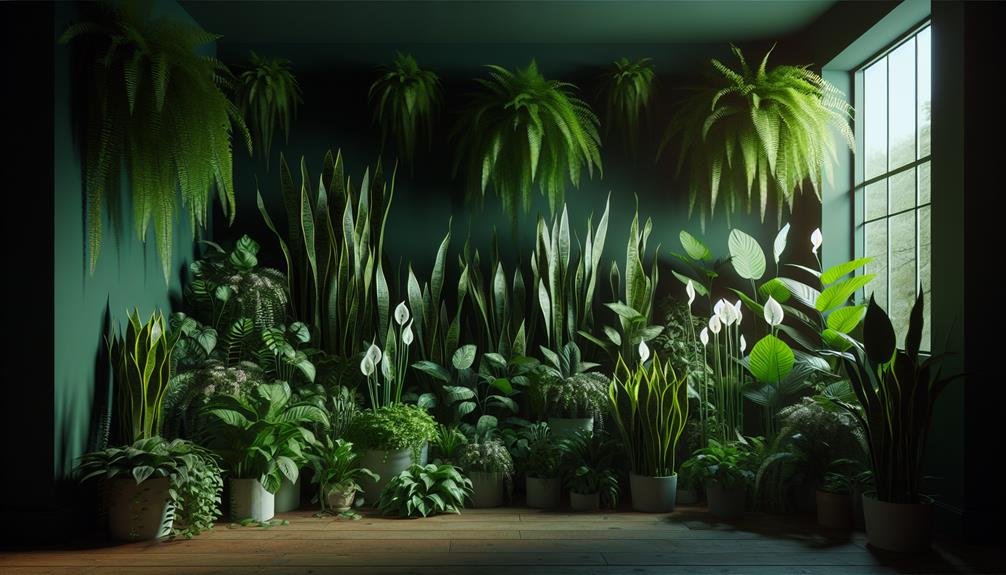
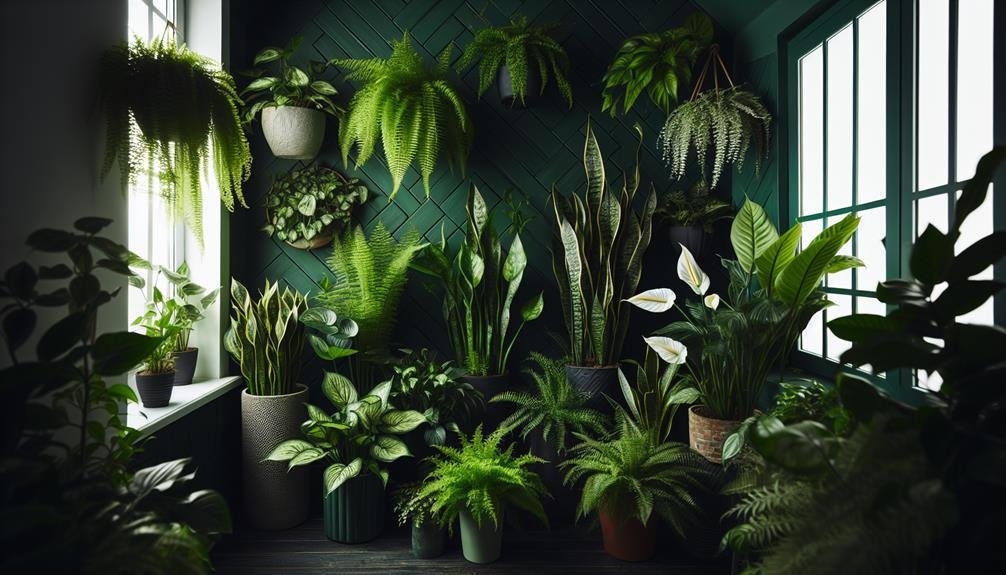
If you're a frequent traveler looking for houseplants that can survive your time away, consider these low-maintenance options. Peace lilies are excellent choices as they can go without water for a while and can thrive in low light conditions.
Spider plants are another great option, known for their resilience and ability to adapt to different environments. These plants are perfect for those who may forget to water them regularly.
Snake plants are also ideal for travelers, as they're drought-resistant and can survive with minimal care. ZZ plants are incredibly low maintenance, requiring infrequent watering and thriving in various light conditions.
Lastly, succulents like aloe vera or jade plants are perfect for busy individuals, needing very little water and attention to flourish. These houseplants not only add a touch of green to your space but also provide a sense of tranquility without demanding constant care.
Ideal Light Conditions for Neglect-Resistant Plants
When selecting neglect-resistant plants, prioritize those that thrive in low light conditions to ensure they can flourish even with minimal attention. Low light plants are perfect for travelers or busy individuals who may not be around to provide constant sunlight. Look for plants like the peace lily, snake plant, or pothos, which can thrive in indirect light or even fluorescent lighting. These plants are adaptable and can survive in rooms with few windows or where natural light is limited.
Placing your low light plants near north-facing windows or in the interior of a room can help them thrive without the need for direct sunlight. Remember that even though these plants can survive in low light conditions, they still need some light to photosynthesize and grow. Rotate your plants occasionally to ensure all sides receive adequate light for even growth. By choosing plants that are well-suited to low light environments, you can create a green oasis in your home that requires minimal effort to maintain.
Watering Tips for Thriving While Away
To keep your low-maintenance houseplants thriving while you're away, establish a consistent watering schedule based on each plant's specific needs. Some plants prefer to dry out slightly between waterings, while others require more frequent moisture. Before your trip, group plants with similar watering requirements to make it easier for your plant sitter or automated system to care for them.
For plants that like to dry out, water them thoroughly before leaving, ensuring the soil is evenly moist but not waterlogged. Consider using self-watering devices or pebble trays to maintain moisture levels while you're gone. Plants that require more frequent watering can benefit from being placed in a bathroom or kitchen where humidity levels are higher. If possible, move these plants to a shadier spot to reduce water loss through evaporation.

Remember to test the soil moisture before watering, as overwatering can be just as harmful as underwatering. By tailoring your watering routine to each plant's needs and setting up a simple care system, you can enjoy your travels without worrying about your green companions back home.
Simple Care Strategies for Busy Travelers
Consider utilizing low-maintenance houseplants that require minimal attention and care while you're away on your travels. Opt for plants like snake plants, pothos, or succulents that can thrive with infrequent watering and low light conditions. Before your trip, move your plants away from drafty areas to prevent stress. Grouping plants together can create a more humid microclimate, reducing water needs. Place plants in self-watering pots or use water globes to slowly release moisture while you're gone.
For extended trips, consider asking a friend or neighbor to check on your plants occasionally. Set up a simple care routine by leaving easy instructions for plant care. Avoid fertilizing your plants just before you leave, as they'll require fewer nutrients during your absence. Keep an eye out for signs of pests or diseases before you leave and address any issues promptly. By following these simple care strategies, you can enjoy your travels without worrying about the well-being of your houseplants.
Troubleshooting Common Plant Issues
Troubleshooting common plant issues starts with being observant of any changes in your plant's appearance or growth patterns. If you notice yellowing leaves, it could indicate overwatering or a lack of nutrients. Adjust your watering schedule and consider adding fertilizer.
Brown, crispy leaf edges often signal low humidity levels. To combat this, group your plants together, place a humidifier nearby, or mist the leaves regularly.
Leggy growth, where your plant stretches out and becomes spindly, is usually caused by insufficient light. Move your plant to a brighter spot, rotating it occasionally for even growth.
Pests like spider mites, aphids, or mealybugs can also infest your plants. To get rid of them, gently wipe the leaves with a damp cloth or use insecticidal soap.
Lastly, root rot, characterized by mushy, black roots, is a sign of overwatering. Trim affected roots and repot your plant in fresh soil to prevent further damage. By addressing these common issues promptly, you can keep your houseplants healthy and thriving.
Frequently Asked Questions
Can Low-Maintenance Houseplants Survive in Extreme Temperatures While I Am Away on Vacation?
When you're away on vacation, low-maintenance houseplants can handle fluctuating temperatures, but extreme conditions might stress them. To help your plants survive, try to keep your home at a moderate temperature range. Avoid placing them near drafty windows or heating vents.
Consider using a timer for your thermostat to maintain a stable environment. Additionally, group your plants together to create a microclimate that can provide some insulation against extreme temperature changes.
How Often Should I Fertilize My Neglect-Resistant Plants?
When caring for your neglect-resistant plants, remember that fertilizing is essential for their growth. To maintain their health, fertilize your plants every few months.
Providing them with nutrients will help them thrive and stay strong. Make sure not to over-fertilize, as this can harm your plants.
Are There Any Specific Pests or Diseases That Commonly Affect Low-Maintenance Houseplants?
When it comes to low-maintenance houseplants, common pests and diseases can still be a concern. Keep an eye out for issues like spider mites, aphids, or powdery mildew, which can affect these plants.
Regularly inspecting your plants and maintaining good airflow can help prevent infestations. If you do notice any problems, address them promptly to keep your low-maintenance beauties thriving.
Can I Place My Houseplants Near a Window With Direct Sunlight While I Am Traveling?
You can place your houseplants near a window with direct sunlight while you're traveling. Just make sure they're resilient to the sunlight exposure. Consider plants like succulents or cacti that thrive in sunny conditions.
Before you leave, water them well to sustain during your absence. Keep an eye out for any signs of stress upon your return, and adjust their placement accordingly.
Enjoy your travels without worrying about your plants.
Are There Any Specific Pots or Containers That Are Best for Low-Maintenance Houseplants?
When choosing pots for low-maintenance houseplants, opt for containers with drainage holes to prevent overwatering.
Look for pots that complement your plant's size, allowing room for growth without being too oversized.
Consider using lightweight options for easy transport and repositioning.
Conclusion
So, next time you're planning a trip, don't worry about leaving your plants behind. With the right low-maintenance houseplants and some simple care strategies, your green friends will thrive with neglect.
Just make sure to place them in ideal light conditions, water them before you leave, and trust that they'll be just fine while you're away.
Happy travels and happy plants!