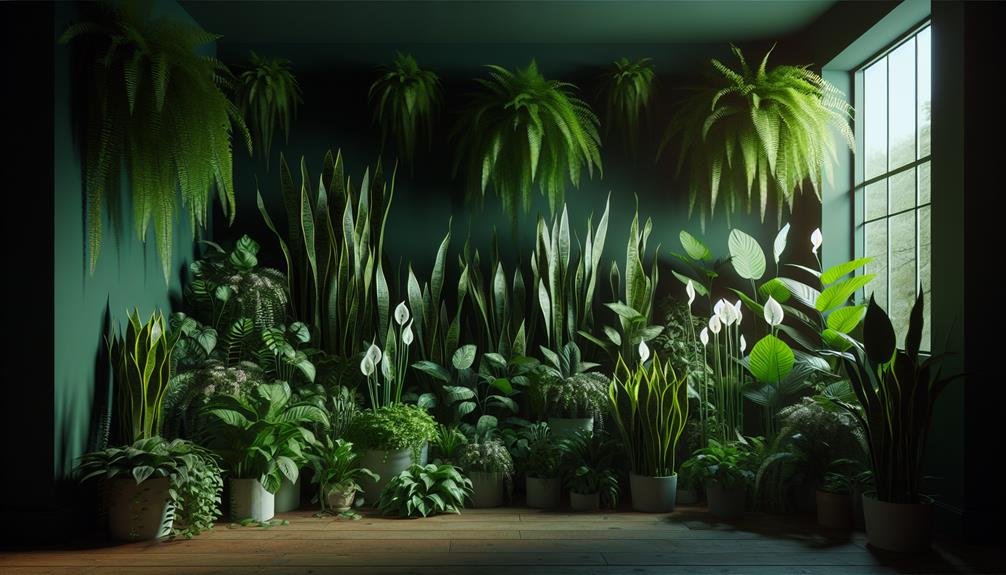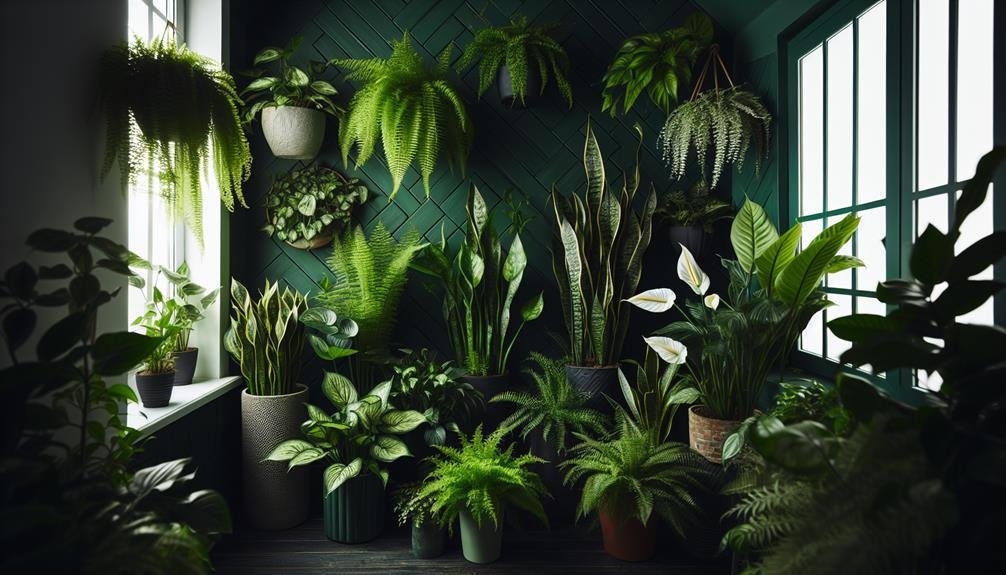
When considering the varied environments for your green companions, it's essential to weigh the benefits and drawbacks of both indoor and outdoor houseplants.
The decision between the two can significantly impact the well-being of your botanical friends and the ambiance of your living spaces.
Let's explore the factors that might influence your choice and the implications each option carries for your gardening endeavors.
Benefits of Indoor Houseplants
Indoor houseplants offer numerous benefits, such as improving air quality and boosting mood and productivity. Having plants in your living space can enhance the oxygen levels and remove toxins from the air, creating a healthier environment for you to thrive in. Not only do they purify the air, but houseplants also have been shown to reduce stress and anxiety. The simple act of caring for a plant can have a calming effect on your mind, promoting a sense of well-being and relaxation.
In addition to the mental health benefits, indoor plants can also increase your focus and productivity. Studies have indicated that being around plants can improve concentration and memory retention, making them ideal companions for your home office or study area. The presence of greenery indoors has even been linked to faster post-operative recovery times and reduced fatigue.
Bringing nature inside with indoor houseplants not only adds aesthetic value to your space but also contributes to your overall health and well-being. Incorporating these green allies into your home can have a significant positive impact on your life.
Drawbacks of Indoor Houseplants
While indoor houseplants offer various benefits for your health and well-being, they also come with some drawbacks worth considering. One significant drawback is the potential for pest infestations. Indoor plants can attract pests like spider mites, aphids, and fungus gnats, which can be challenging to get rid of and may spread to other plants in your home.
Another drawback is the need for regular maintenance. Indoor plants require consistent care, including watering, pruning, and cleaning to thrive. If neglected, they can quickly deteriorate and become unsightly.
Additionally, indoor houseplants can be a hazard to pets if ingested. Many common houseplants are toxic to cats and dogs, so extra caution must be taken when choosing greenery for a pet-friendly home. Limited space and light availability indoors can also be a drawback, as certain plants may require more room to grow or more sunlight than your home can provide.
Lastly, indoor plants can contribute to indoor air pollution if not properly cared for, as dust and mold can accumulate on their leaves.

Advantages of Outdoor Houseplants
Outdoor houseplants offer a unique array of benefits that can enhance your gardening experience and contribute to the overall ambiance of your outdoor space. One of the significant advantages of outdoor houseplants is that they receive natural sunlight, which is crucial for their growth and overall health. Unlike indoor plants that often rely on artificial lighting, outdoor plants can bask in the full spectrum of sunlight, promoting photosynthesis and vibrant foliage.
Additionally, outdoor houseplants have more room to grow compared to their indoor counterparts. With ample space in an outdoor garden or patio, plants can spread their roots more freely, leading to healthier and larger specimens. This unrestricted growth also allows for better air circulation around the plants, reducing the risk of pests and diseases.
Furthermore, outdoor houseplants contribute to the overall aesthetic of your outdoor space, creating a vibrant and lush environment. Whether you choose flowering plants, shrubs, or trees, outdoor houseplants can add color, texture, and life to your garden or patio, making it a welcoming and relaxing place to spend time.
Disadvantages of Outdoor Houseplants
Despite the benefits of outdoor houseplants, there are certain drawbacks that you should consider before incorporating them into your gardening routine. One significant disadvantage is the lack of control over environmental conditions. Outdoor plants are exposed to fluctuating weather patterns, pests, and diseases that can easily damage or even kill your plants. Insects and animals are more likely to interact with outdoor plants, potentially causing harm.
Additionally, outdoor houseplants require more maintenance compared to indoor ones. You need to regularly water, fertilize, and prune them to ensure they thrive in an outdoor setting. Another drawback is the limited ability to move outdoor plants. Once they're planted in a specific location, it can be challenging to relocate them without causing damage or stress to the plant.
Moreover, outdoor houseplants are more susceptible to extreme weather conditions, such as strong winds, hail, or frost, which can harm or destroy your plants.
Conclusion and Recommendations
In evaluating the benefits and drawbacks of indoor and outdoor houseplants, it becomes clear that each option has its own set of advantages and challenges. Indoor houseplants offer the convenience of being able to control the environment more easily, making them suitable for homes or offices with specific climate requirements. They also contribute to indoor air quality and can be enjoyed year-round without the limitations of seasonal changes.
On the other hand, outdoor houseplants benefit from natural sunlight and fresh air, promoting robust growth and potentially larger sizes. They can also attract beneficial insects and wildlife, creating a more dynamic outdoor environment.
To make the best choice between indoor and outdoor houseplants, consider your lifestyle, available space, and the specific needs of the plants you wish to grow. If you have limited space or live in a climate with extreme temperatures, indoor houseplants might be more suitable. Conversely, if you have a green thumb and enjoy gardening outdoors, outdoor houseplants could be a rewarding option. Ultimately, the decision depends on your preferences, lifestyle, and the conditions you can provide for your plants.
Frequently Asked Questions
How Can I Tell if My Indoor Houseplant Is Getting Enough Sunlight?
To check if your indoor houseplant is getting enough sunlight, observe its leaves. If they're pale green or yellow, it might need more light.
On the other hand, if the leaves are wilting or turning brown, it could be getting too much direct sunlight.
Move your plant to a spot where it receives bright, indirect sunlight for a balanced amount of light exposure.
What Are Some Common Pests That Affect Outdoor Houseplants and How Can I Prevent Them?
When it comes to outdoor houseplants, common pests like aphids, spider mites, and whiteflies can wreak havoc on your plants. To prevent these pesky critters from causing damage, regularly inspect your plants for any signs of infestation.
You can also introduce beneficial insects like ladybugs or lacewings to help keep the pest population in check. Remember to maintain good plant hygiene by removing any dead leaves or debris that could attract pests.
Are There Any Houseplants That Are Safe for Pets to Be Around?
When it comes to houseplants safe for pets, there are several options to consider. Plants like spider plants, Boston ferns, and African violets are pet-friendly choices that can brighten up your space without posing a risk to your furry friends.
Always double-check the toxicity of any plant before bringing it home, and make sure to keep potentially harmful plants out of reach of curious pets.
How Often Should I Water My Outdoor Houseplants During Different Seasons?
During warmer seasons, you should water your outdoor houseplants more frequently, especially on hot days when the soil dries out faster. In general, aim for watering them every 2-3 days.
However, during cooler seasons or rainy periods, you might need to adjust and water less often.
Always check the soil moisture before watering to ensure your plants are getting just the right amount of hydration to thrive outdoors.
Can I Grow a Mix of Indoor and Outdoor Houseplants in the Same Space?
Yes, you can definitely grow a mix of indoor and outdoor houseplants in the same space. Just make sure to position them correctly to get the right amount of sunlight and water.
Indoor plants typically need more attention to watering and light conditions, while outdoor plants may require more space to grow freely.
Conclusion
Overall, both indoor and outdoor houseplants have their own set of pros and cons. Indoor plants can improve air quality and provide a calming atmosphere, but they require more maintenance.
On the other hand, outdoor plants benefit from natural sunlight and fresh air, but are more susceptible to pests and weather conditions. Consider your lifestyle and environment when choosing between indoor and outdoor houseplants to ensure they thrive in their surroundings.