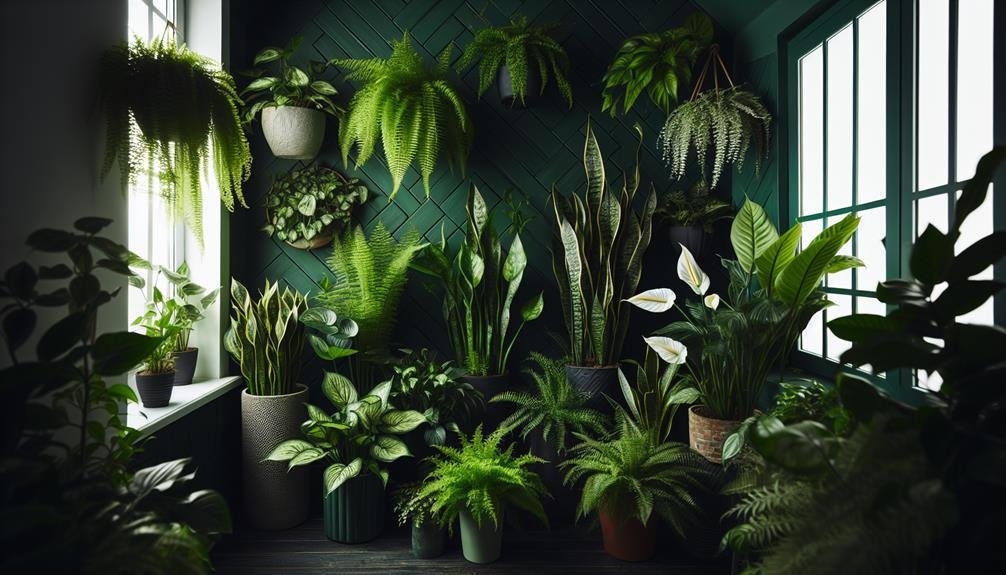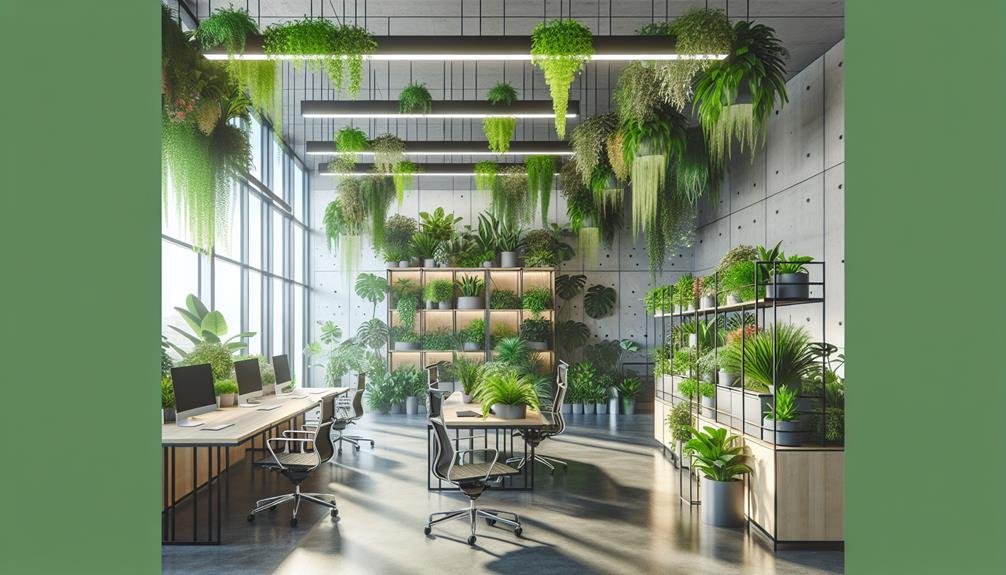
Imagine your workspace as a barren desert, devoid of life and inspiration. Now, picture it as a lush oasis, teeming with vitality and growth. Indoor plants have the power to transform your environment and, in turn, your productivity.
By introducing greenery into your workspace, you can cultivate a more conducive atmosphere for focus and creativity. But how exactly do these plants impact your efficiency and well-being? Let's explore the intriguing relationship between indoor plants and productivity.
Health Benefits of Indoor Plants
Enhance your well-being by incorporating indoor plants into your living or work space. Indoor plants offer numerous health benefits that can positively impact your overall wellness.
Firstly, indoor plants act as natural air purifiers by absorbing harmful toxins and releasing oxygen, creating a cleaner and fresher environment for you to breathe in. This can help reduce symptoms of allergies and respiratory issues, promoting better respiratory health. Additionally, indoor plants can help regulate humidity levels, which is beneficial for your skin, preventing it from becoming too dry.
Furthermore, having indoor plants around has been shown to reduce stress, anxiety, and even lower blood pressure. The presence of greenery can create a sense of calm and relaxation, aiding in your mental well-being. Taking care of indoor plants can also be a therapeutic activity, giving you a sense of purpose and accomplishment.
Psychological Impact on Productivity
Indoor plants not only positively impact your health but also play a significant role in influencing your psychological well-being and productivity. The presence of greenery in your workspace has been shown to reduce stress, anxiety, and fatigue while increasing feelings of calmness and well-being. When you incorporate indoor plants into your environment, you're creating a more visually appealing and stimulating space that can enhance your mood and overall mental state.
Research suggests that being around plants can help boost your concentration, memory, and creativity. This means that having indoor plants in your workspace can potentially lead to improved productivity and efficiency in your daily tasks. The natural elements provided by plants can also foster a sense of tranquility and relaxation, creating a more pleasant atmosphere for you to work in.
Improving Air Quality With Greenery
When surrounded by greenery, the air quality in your workspace can significantly improve, contributing to a healthier and more productive environment. Indoor plants have the remarkable ability to absorb harmful toxins such as formaldehyde, benzene, and trichloroethylene, which are commonly found in office settings due to furniture, carpets, and cleaning agents. Through a process called photosynthesis, plants take in carbon dioxide and release oxygen, helping to increase the oxygen levels in the air you breathe. This rise in oxygen can lead to better brain function and enhanced concentration, ultimately boosting your productivity.
Moreover, indoor plants can also increase humidity levels by releasing water vapor through a process known as transpiration. This is particularly beneficial in dry indoor environments, as adequate humidity can help prevent respiratory issues, dry skin, and irritation of the eyes and throat. By incorporating greenery into your workspace, you not only enhance the aesthetics but also create a healthier and more invigorating atmosphere that promotes overall well-being and efficiency.
Enhancing Focus and Concentration
Surrounding yourself with greenery in your workspace can significantly sharpen your focus and concentration levels. Indoor plants have a calming effect on the mind, reducing stress and enhancing your ability to concentrate on the task at hand. The presence of plants in your surroundings can help create a more peaceful and tranquil atmosphere, allowing you to block out distractions and focus more effectively on your work.

Studies have shown that indoor plants can improve cognitive function, memory retention, and overall productivity. The visual stimulation of greenery can boost your brain function and help you stay more alert and attentive during long work hours. By incorporating plants into your workspace, you can create a conducive environment for deep concentration and enhanced mental clarity.
Incorporating indoor plants into your workspace is a simple yet powerful way to enhance your focus and concentration. By bringing a touch of nature indoors, you can create a harmonious and inspiring setting that supports your cognitive abilities and boosts your overall productivity.
Creative Workspace With Indoor Plants
To cultivate a more creative workspace, consider incorporating indoor plants strategically to inspire innovation and fresh ideas. By adding plants like peace lilies, spider plants, or succulents to your workspace, you can create a visually appealing environment that stimulates creativity. The presence of indoor plants can help reduce stress and boost your mood, fostering a more conducive atmosphere for generating new and imaginative concepts.
Plants not only add a touch of nature to your workspace but also improve air quality, making the environment healthier for you to ideate and innovate. The vibrant colors and textures of plants can spark inspiration and encourage out-of-the-box thinking. Additionally, caring for indoor plants can provide a sense of responsibility and routine, which can translate into improved focus and productivity in your work.
To maximize the creative benefits of indoor plants, place them strategically around your workspace where you can easily see and interact with them. Experiment with different plant varieties and arrangements to find what works best for you in enhancing creativity and innovation.
Frequently Asked Questions
Do Certain Types of Indoor Plants Require More Maintenance Than Others in Order to Reap Productivity Benefits?
Certain indoor plants may require more maintenance than others to maximize productivity benefits. Factors such as light levels, watering frequency, and pruning needs can vary among plant species.
Choosing low-maintenance plants like pothos or snake plants can be beneficial if you have limited time for care. However, more high-maintenance plants like orchids or ferns might need extra attention to thrive and provide their productivity-boosting effects in your indoor space.
Are There Any Specific Indoor Plants That Are Known to Boost Creativity and Innovation in a Workspace?
When looking to enhance creativity and innovation in your workspace, certain indoor plants can be particularly beneficial. Plants like peace lilies, snake plants, and spider plants are known for their air-purifying qualities and can create a more inspiring environment.
These plants not only look great but also help to improve air quality, which can positively impact your mood and cognitive function, ultimately boosting your creativity and innovation while you work.
Can Indoor Plants Have a Negative Impact on Productivity if Not Properly Cared For?
If not properly cared for, indoor plants can indeed have a negative impact on productivity. Neglected plants can become unsightly, attract pests, or even emit an unpleasant odor.
It's essential to regularly water, prune, and clean your indoor plants to ensure they thrive and contribute positively to your workspace.
How Can the Placement of Indoor Plants in an Office Environment Affect Employee Morale and Productivity?
Placing indoor plants strategically in your office can significantly boost your morale and productivity. The presence of greenery can create a more relaxing and visually appealing work environment, enhancing your mood and reducing stress levels.
Additionally, indoor plants can help purify the air, making it fresher and healthier for you to breathe. Ultimately, the right placement of indoor plants can contribute to a more positive and productive atmosphere in your workplace.
Are There Any Potential Downsides to Incorporating Indoor Plants in a Work Environment, Such as Allergies or Maintenance Costs?
When it comes to incorporating indoor plants in a work environment, potential downsides might include allergies and maintenance costs.
Allergies could be triggered by certain plants, affecting some employees negatively. Additionally, maintenance costs for indoor plants can add up over time, especially if they require specialized care.
It's essential to consider these factors before introducing plants to ensure a healthy and cost-effective work environment.
Conclusion
Overall, incorporating indoor plants into your workspace can have a multitude of benefits, including improving air quality, boosting productivity, and enhancing overall well-being.
By adding a touch of greenery to your environment, you can create a more positive and productive atmosphere that fosters creativity and focus.
So go ahead, bring some plants into your space and watch as your productivity levels soar!