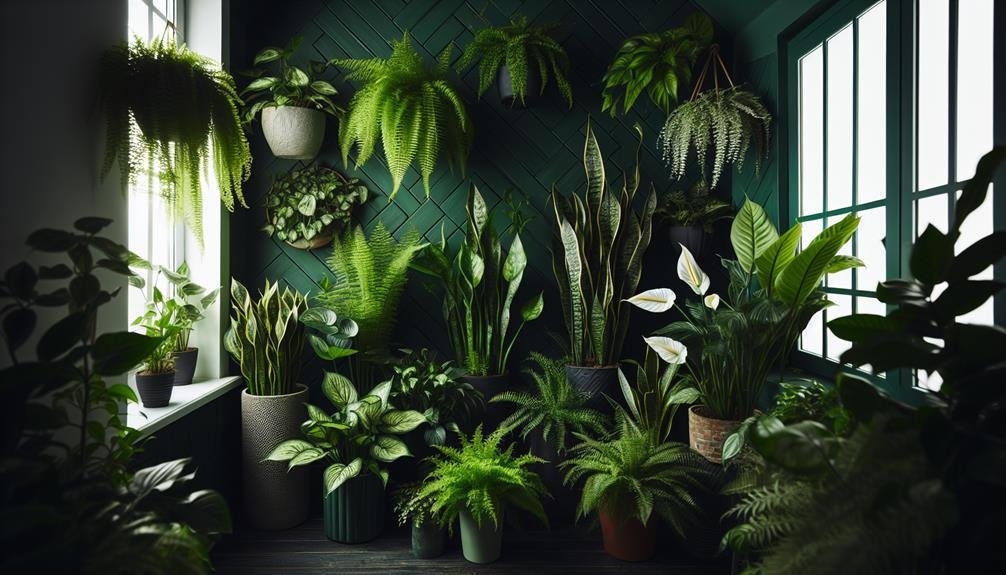
If you've ever felt like your plants are delicate flowers needing care, then choosing non-toxic options for plant pests is like giving them a breath of fresh air.
Imagine a world where your garden thrives without harsh chemicals.
Curious about how non-toxic solutions can transform your gardening experience?
Healthier Plants
To keep your plants healthy, ensure they receive adequate sunlight and water regularly. Sunlight is crucial for photosynthesis, the process by which plants convert light energy into chemical energy to fuel growth. Without enough sunlight, plants may become weak and susceptible to pests. Water is equally important as it helps transport nutrients throughout the plant and maintain turgidity. Overwatering can lead to root rot, while underwatering can cause wilting and stunted growth. Finding the right balance is key to promoting optimal plant health.
In addition to sunlight and water, proper soil nutrition is essential for healthier plants. Different plants have varying nutrient requirements, so it's important to research and provide the necessary fertilizers or amendments. Nutrient deficiencies can weaken plants, making them more vulnerable to pests and diseases. By ensuring your plants receive the right amount of sunlight, water, and nutrients, you can help them thrive and ward off potential pest infestations.
Environmental Benefits
Enhancing plant health can contribute to a more sustainable environment by promoting natural pest control and reducing the need for harmful chemical interventions. When you opt for non-toxic options to manage plant pests, you aren't only safeguarding your plants but also the surrounding ecosystem. Chemical pesticides can have detrimental effects on the environment, contaminating soil, water sources, and harming non-target organisms. By choosing non-toxic alternatives, you help maintain the delicate balance of the ecosystem.
Furthermore, non-toxic pest control methods such as beneficial insects or companion planting support biodiversity. Beneficial insects play a crucial role in controlling pest populations naturally. By avoiding toxic chemicals, you encourage the presence of these helpful insects, which can lead to a more stable and resilient ecosystem.
In addition, non-toxic pest control options are often biodegradable and pose less risk of long-term environmental damage. Choosing these alternatives demonstrates a commitment to environmental stewardship and contributes to creating a healthier and more sustainable environment for future generations.
Safe for Beneficial Insects
Choosing non-toxic pest control methods ensures the safety of beneficial insects in your garden. When you opt for non-toxic options to manage plant pests, you protect essential insects like ladybugs, bees, and lacewings that help maintain a healthy ecosystem. These beneficial insects act as natural predators, feeding on harmful pests that can damage your plants. By using non-toxic pest control methods, you avoid harming these helpful bugs, allowing them to thrive and continue their valuable work in your garden.
Certain chemical pesticides not only target the harmful pests but can also harm beneficial insects, disrupting the delicate balance of your garden's ecosystem. Opting for non-toxic alternatives such as neem oil, insecticidal soaps, or introducing beneficial nematodes can effectively control pests without posing a threat to the helpful insects. This approach not only safeguards the beneficial insects but also promotes a more sustainable and environmentally friendly way of managing plant pests in your garden. By choosing non-toxic options, you create a safer and healthier environment for all the insects that contribute to the well-being of your plants.

Reduced Chemical Exposure
Reducing chemical exposure in your garden can be achieved by adopting non-toxic pest control methods. By using natural alternatives like neem oil, insecticidal soaps, or diatomaceous earth, you can effectively manage pests without the need for harmful chemicals. These non-toxic options target pests while keeping your exposure to synthetic pesticides at a minimum. When you choose non-toxic pest control methods, you not only protect your health but also minimize the risk of chemical residues contaminating your soil and water sources.
Non-toxic pest control methods aren't only safer for you but also for beneficial insects in your garden. Unlike chemical pesticides, non-toxic options don't harm pollinators like bees and butterflies, which play a crucial role in plant reproduction. By reducing chemical exposure, you create a more balanced ecosystem in your garden, where beneficial insects can thrive alongside your plants. Making the switch to non-toxic pest control is a simple yet impactful way to promote a healthier environment for both you and your garden's inhabitants.
Sustainable Pest Management
To implement sustainable pest management in your garden, consider integrating natural predators and beneficial insects. These allies can help keep pest populations in check without the need for harmful chemicals. Ladybugs, lacewings, and praying mantises are just a few examples of beneficial insects that can prey on common garden pests like aphids and caterpillars. Creating habitats that attract these insects, such as flowering plants for nectar and shelter, can encourage them to stick around and continue their pest control services.
Another approach to sustainable pest management is crop rotation. By planting different crops in a specific order each season, you can disrupt pest life cycles and reduce the buildup of pests in the soil. This method can help prevent infestations and minimize the need for pesticide use.
Furthermore, using physical barriers like row covers or sticky traps can also be effective in protecting your plants from pests without resorting to toxic chemicals. These methods provide environmentally friendly alternatives that promote a healthy balance in your garden ecosystem.
Frequently Asked Questions
Are Non-Toxic Options for Plant Pests Effective in Controlling Infestations?
Non-toxic options for plant pests can be effective in controlling infestations. They offer a safer alternative without harming beneficial insects or the environment. By targeting pests specifically, they can help maintain a healthy balance in your garden.
Remember to follow instructions carefully and be consistent in your application for best results. Give non-toxic options a try and see how they work for your plants!
How Do Non-Toxic Options for Plant Pests Compare in Cost to Traditional Chemical Pesticides?
Non-toxic options for plant pests may vary in cost when compared to traditional chemical pesticides.
While some non-toxic methods might be more affordable upfront, others could require a slightly higher investment.
However, in the long run, the cost-effectiveness of non-toxic options shines through as they often lead to healthier plants and soil, reducing the need for constant treatments.
Can Non-Toxic Options for Plant Pests Be Used in Organic Farming Practices?
Yes, non-toxic options for plant pests can be used in organic farming practices. They align with the principles of organic farming, which prioritize the use of natural and environmentally friendly methods to manage pests.
Are There Any Specific Plants or Crops That Are More Susceptible to Damage From Non-Toxic Pest Control Methods?
Certain plants or crops may be more susceptible to damage from non-toxic pest control methods due to their unique vulnerabilities. It's important to consider the specific characteristics of each plant species when selecting pest control strategies.
How Can I Easily Identify and Differentiate Between Harmful Pests and Beneficial Insects in My Garden or Farm?
To easily identify harmful pests and beneficial insects in your garden or farm, look for signs like chewed leaves, webs, or droppings. Beneficial insects such as ladybugs or lacewings can help control pests naturally. Monitor your plants regularly and use resources like field guides or online tools to learn about the different insects in your area.
Conclusion
By choosing non-toxic options for plant pests, you aren't only protecting the health of your plants but also the environment and beneficial insects.
You're reducing your exposure to harmful chemicals and promoting sustainable pest management practices.
Make the smart choice for your garden and choose non-toxic solutions for a healthier and more eco-friendly way to deal with plant pests.
Your plants and the planet will thank you!